Get all your news in one place.
100’s of premium titles.
One app.
Start reading
Woman & Home
Woman & Home
Lifestyle
Katie Sims

What is sleepmaxxing? A sleep expert explains when the method is helpful –and when it's not

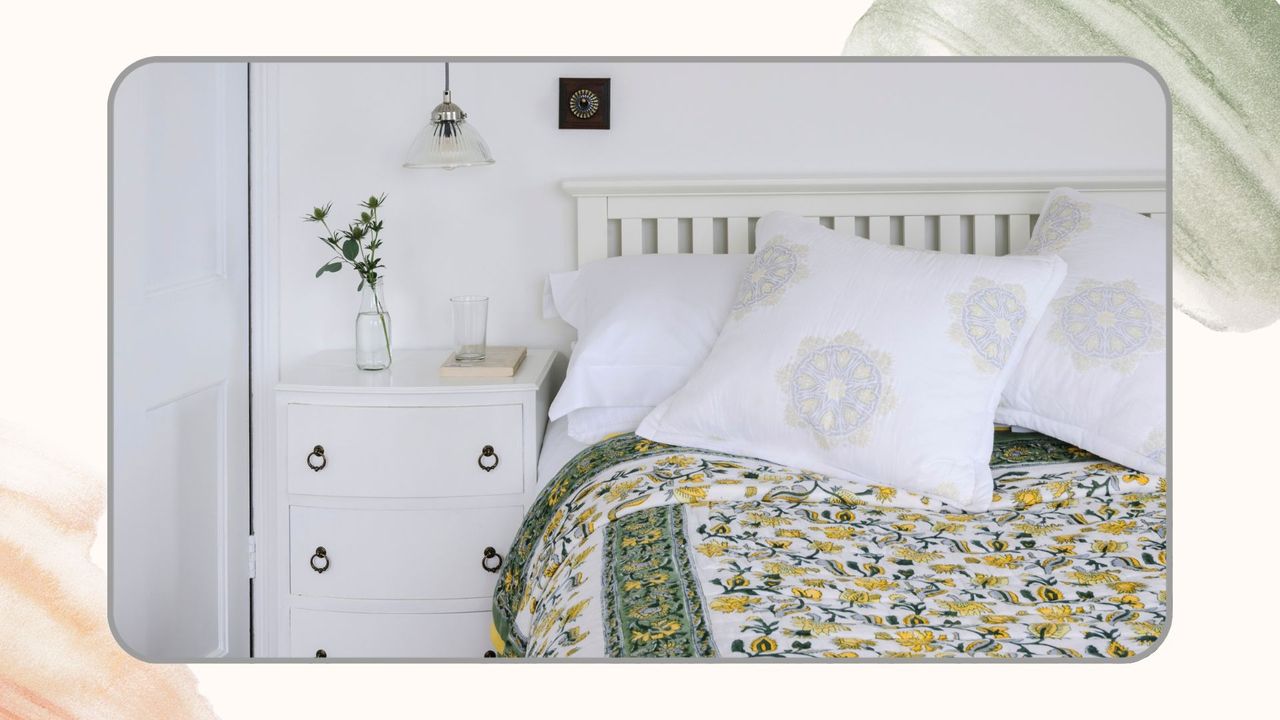
A white bedroom with a white wooden bed frame and green eiderdown on the bed.

If you've heard of 'sleepmaxxing' on social media, you might be wondering what it actually is, and whether it can help you get a better night's sleep.

Sleepmaxxing is the modern term for the trend to "maximise" sleep quality – it is rooted in good intentions, but a top doctor has warned us to be cautious. Some sleep tips are better than others, so we'll be breaking down what sleepmaxxing is, when it's helpful, and when it isn't.

New data from Argos.co.uk reveals that 79% of Brits are missing the recommended eight hours, which has led to more and more of us searching for ways to improve our sleep. Beyond investing in one of the best mattresses or best pillows, what can actually help? Is sleepmaxxing the answer?

What is sleepmaxxing? Why is it trending?

(Image credit: Future Publishing Ltd)

Sleepmaxxing is a term that started circulating on social media back in 2024, but it's been gaining traction ever since.

Dr. Talal Khan of Khan Longevity explains that sleepmaxxing refers to "trying to optimise sleep with routines, gadgets, supplements and sleep hacks."

From regulating our circadian rhythm to having the perfect sleep set-up, to taking magnesium at just the right time, sleepmaxxing tips are wide-ranging. But, Dr. Khan warns, they can sometimes place unrealistic pressures on sleep.

"The useful part is taking sleep seriously," he says. "The problem starts when trends outrun the science."

Is sleepmaxxing helpful?

The intention behind sleepmaxxing - i.e, getting better sleep - is definitely helpful. Sleep is incredibly important for our health, supporting processes like emotional regulation, immunity, and cardiovascular health.

"If sleepmaxxing means a consistent sleep schedule, a darker room, less late-night screen time and getting checked for insomnia or sleep apnea, then that's smart," Dr. Khan says. "But if it means mouth taping, overusing supplements, or obsessing over tracker scores, I would be cautious." Essentially Sleepmaxxing is helpful when it sticks to evidence-based tips over trend-led ideas.

As Dr. Khan says, certain things - like less screen time before bed, and waking up at a similar time every day - have been shown to help with sleep. But newer trends - like mouth tape, or tracking biological markers via fitness devices - won't be necessary for everyone.

But the desire for better sleep is positive. What really works, according to the experts?

Top tips for improving sleep: expert tips on surroundings & routines

First up, it's important to create a calming environment. As part of this, it's recommended to reduce visual clutter in favour of a calming bedroom set-up. You can declutter a bedroom in a day, and try removing items from your bedroom to double its size, too – it's much easier to wind down in an environment that doesn't feel chaotic or overstimulating.

Your bed set-up should also be something you look forward to getting into at the end of each day. A comfortable mattress and pillows are non-negotiable, but things like the best mattress toppers and the best electric blankets (for a cosy and inviting feel) can help.

Whether you want to fall asleep in just three minutes or you're tired from waking up in the middle of the night, Dr. Khan outlines the following advice to aid a blissful night's sleep:

  • Keep to a consistent wake-up time
  • Get light (artificial or natural) in the morning
  • Stay physically active throughout the day
  • Keep the bedroom cool, dark and quiet
  • Choose breathable, comforting bedding
  • Avoid caffeine, alcohol, and screens close to bedtime

Sleep aid essentials


Lastly, it's important to remember that trying to fall asleep can sometimes be the surest way to stay awake. Instead, just allow your body to rest and sleep will be more likely to come to you. "If sleep trouble lasts more than a few weeks, get evaluated," Dr. Khan advises.

Sign up to read this article
Read news from 100’s of titles, curated specifically for you.
Already a member? Sign in here
Related Stories
Top stories on inkl right now
Our Picks
Fourteen days free
Download the app
One app. One membership.
100+ trusted global sources.