Get all your news in one place.
100's of premium titles.
One app.
Start reading
The Economic Times
The Economic Times
Maitreyee Thakkar

‘What is she up to now?’ Earl Spencer’s new Diana memoir revisits Queen Elizabeth’s reaction and King Charles’ alleged words after her death

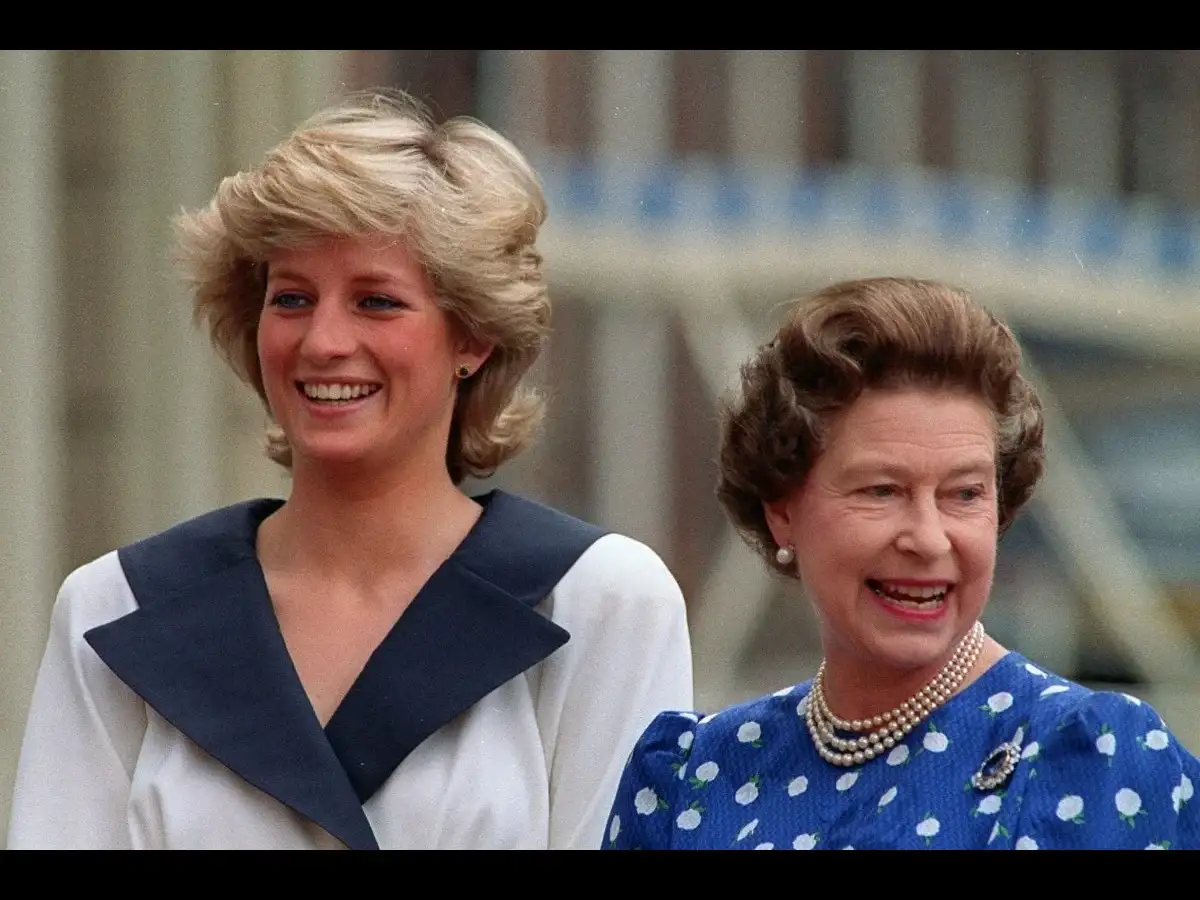
Nearly three decades after Princess Diana died in a Paris car crash, her brother Earl Spencer has offered another deeply personal account of the hours surrounding the tragedy, this time describing what he claims was the late Queen Elizabeth II’s initial reaction to the news.

In an extract from his forthcoming memoir Swan Song: Diana, My Sister , Charles Spencer claims the Queen responded “tetchily” when she first heard that Diana had been involved in a traffic accident in Paris, asking: “What is she up to now?” The account was reported by The Sun .

The remark, as presented by Spencer, came before the full seriousness of the crash was known. Diana, 36, died in the early hours of August 31, 1997, after the Mercedes carrying her crashed in the Pont de l’Alma tunnel in Paris. Her death sent shockwaves through Britain and triggered an extraordinary public outpouring of grief.

What Earl Spencer says happened

Spencer, 62, is the younger brother of Diana and has spent much of the past three decades largely outside the public discussion surrounding her death. His new memoir, due to be published on September 22, is being released as the 30th anniversary of Diana’s death approaches.

According to The Sun , Spencer writes that when Queen Elizabeth heard the first reports of the accident, she asked the question about what Diana had been “up to”.

The wording is significant because it presents the Queen's reaction as an immediate response to an incomplete report rather than a reaction after Diana's death had been confirmed. The account does not establish what the Queen knew at that precise moment or what information had reached her about the seriousness of the accident.

The Queen's relationship with Diana had already been complicated

Diana's relationship with the royal family had been marked by intense public scrutiny, particularly during the breakdown of her marriage to then-Prince Charles.

Diana and Charles divorced in 1996. As part of the settlement, Diana lost the style Her Royal Highness, although she retained the title Princess of Wales.

Spencer's memoir makes another claim concerning that title. He says Queen Elizabeth later offered, through her private secretary Robert Fellowes, to restore Diana's HRH status after her death. Spencer says he rejected the idea because Diana was already dead and therefore could not benefit from it.

That claim has likewise been presented as Spencer's recollection rather than independently established fact. People reported the same account, noting that Spencer questioned the value of restoring a title posthumously.

The memoir revisits Diana’s final days

Swan Song: Diana, My Sister is Spencer’s first extended personal account of his sister. When announcing the book in August, he said he wanted to record his own memories because he had repeatedly encountered accounts of Diana that he believed contained inaccuracies. The Guardian reported that the memoir would cover Diana's life and her death.

Spencer was 33 when he delivered the emotional eulogy at Diana's funeral at Westminster Abbey in September 1997. Diana's sons, Prince William and Prince Harry, were 15 and 12 respectively when their mother died.

The new memoir therefore comes from someone who was not simply a commentator on Diana's life but one of her closest family members.

A memoir that has already reignited royal tensions

The latest revelation is part of a much broader series of claims in Swan Song . Spencer has also alleged that then-Prince Charles reacted in an unusually detached manner when he called after Diana's death and later told him, during a dispute over funeral arrangements, “We’ll forget her soon enough.” Spencer has repeated his insistence that he is accurately recalling the conversation.

Buckingham Palace has not directly confirmed Spencer's recollections. In an unusually pointed response, a royal spokesman said that “the pain of fraternal grief can cloud reason, affect judgment and colour memory”, while declining to comment on the book as a matter of principle.

Sign up to read this article
Read news from 100's of titles, curated specifically for you.
Already a member? Sign in here
Related Stories
Top stories on inkl right now
One subscription that gives you access to news from hundreds of sites
Already a member? Sign in here
Our Picks
Fourteen days free
Download the app
One app. One membership.
100+ trusted global sources.