Outbreaks of monkeypox have been detected in North America and Europe.
Health Authorities have detected dozens of suspected or confirmed cases since early May, linked to international travel from endemic areas, including parts of west and central Africa.
Canada was the latest country to report it was investigating more than a dozen suspected cases of the virus, after Spain and Portugal detected more than 40 possible and verified cases.
READ MORE: Fears grow over mystery hepatitis strain that’s killed an Irish child as parents urged to know signs
Britain has confirmed nine cases since May 6 and the United States verified its first yesterday.
The World Health Organisation said on Tuesday it was coordinating with UK and European health officials over the new outbreaks.
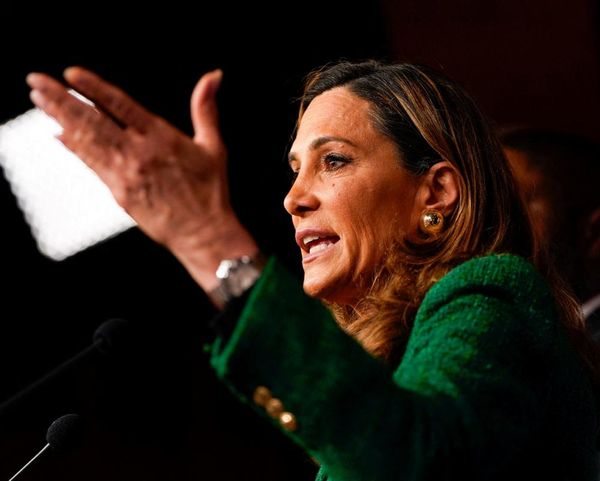
“We really need to better understand the extent of monkeypox in endemic countries… to really understand how much is circulating and the risk that it poses for people who are living there, as well as the risk of exportation,” infectious disease epidemiologist Dr Maria Van Kerkhove said at a press conference on Tuesday on global health issues.
There have been no confirmed cases in Ireland so far.
What is monkeypox?
Monkeypox is a virus that was first identified in labs back in the 1950s.
Scientists don’t actually know if monkeys are the main causes of the illness, the latest thinking suggests that smaller animals such as rodents are.
Monkeypox does not spread easily from human to human.
It typically requires interaction with animals that carry the virus, or being in very close contact with infected people, or having contact with items', such as contaminated clothes, towels or furniture.
People who catch it typically develop flu-like symptoms such as a fever and muscle aches.
Other more distinctive symptoms include swollen lymph nodes, a rash and blisters.
These usually disappear after a few weeks.
However, in severe cases monkeypox can cause fatalities.
Estimates of the case-fatality rate in Africa vary from 1% to 15%, with the highest risk of death in young children.
Get breaking news to your inbox by signing up to our newsletter