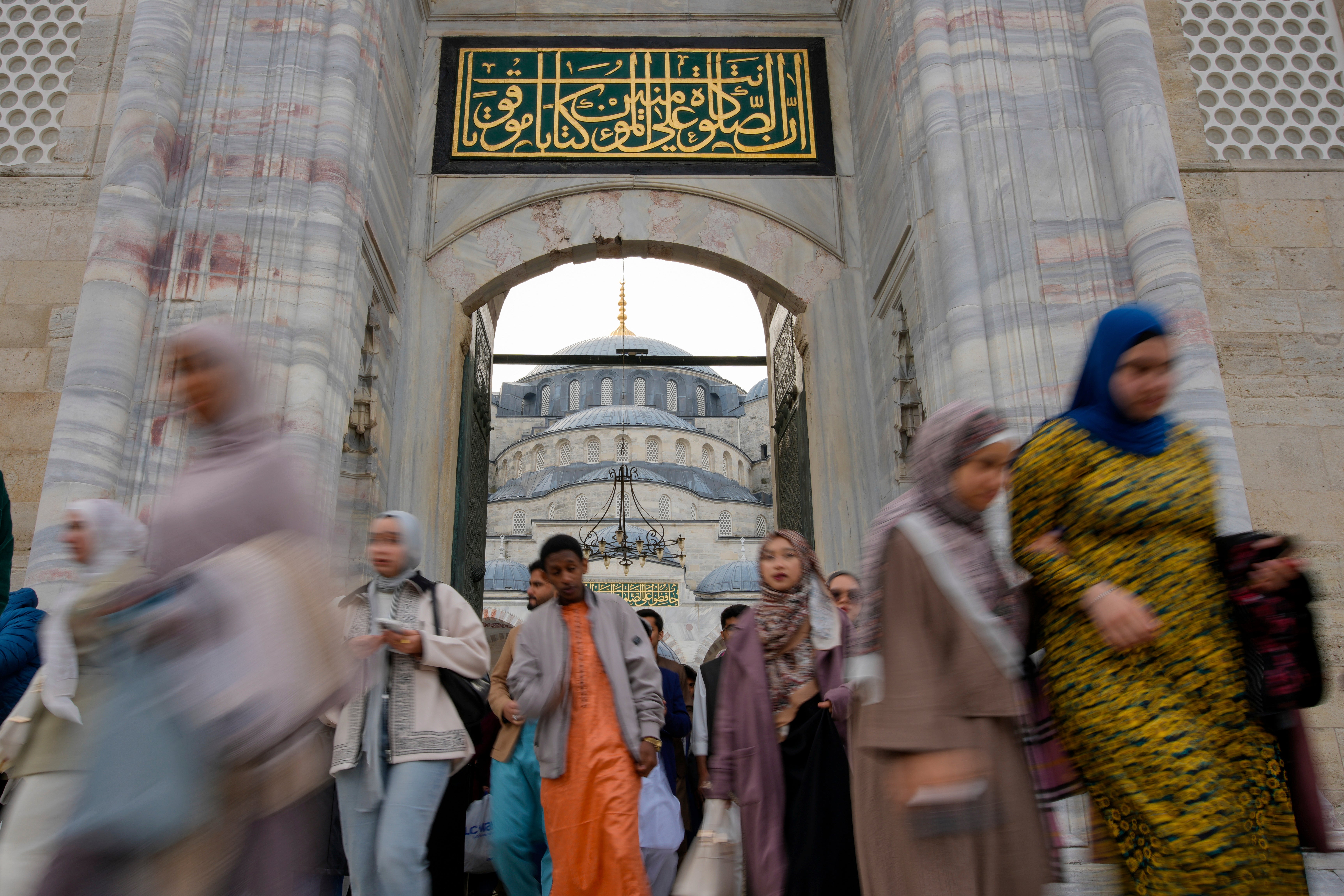
Muslims globally are preparing for Eid al-Fitr, the festival concluding Ramadan, the Islamic holy month of fasting.
The holiday is expected on either Thursday, March 19, or Friday, March 20, depending on the moon's sighting.
It is a time for communal prayer, family gatherings, feasting, and new clothes. During Ramadan, devout Muslims abstain from food and drink from dawn until sunset, dedicating themselves to prayer, charity, and acts of kindness.
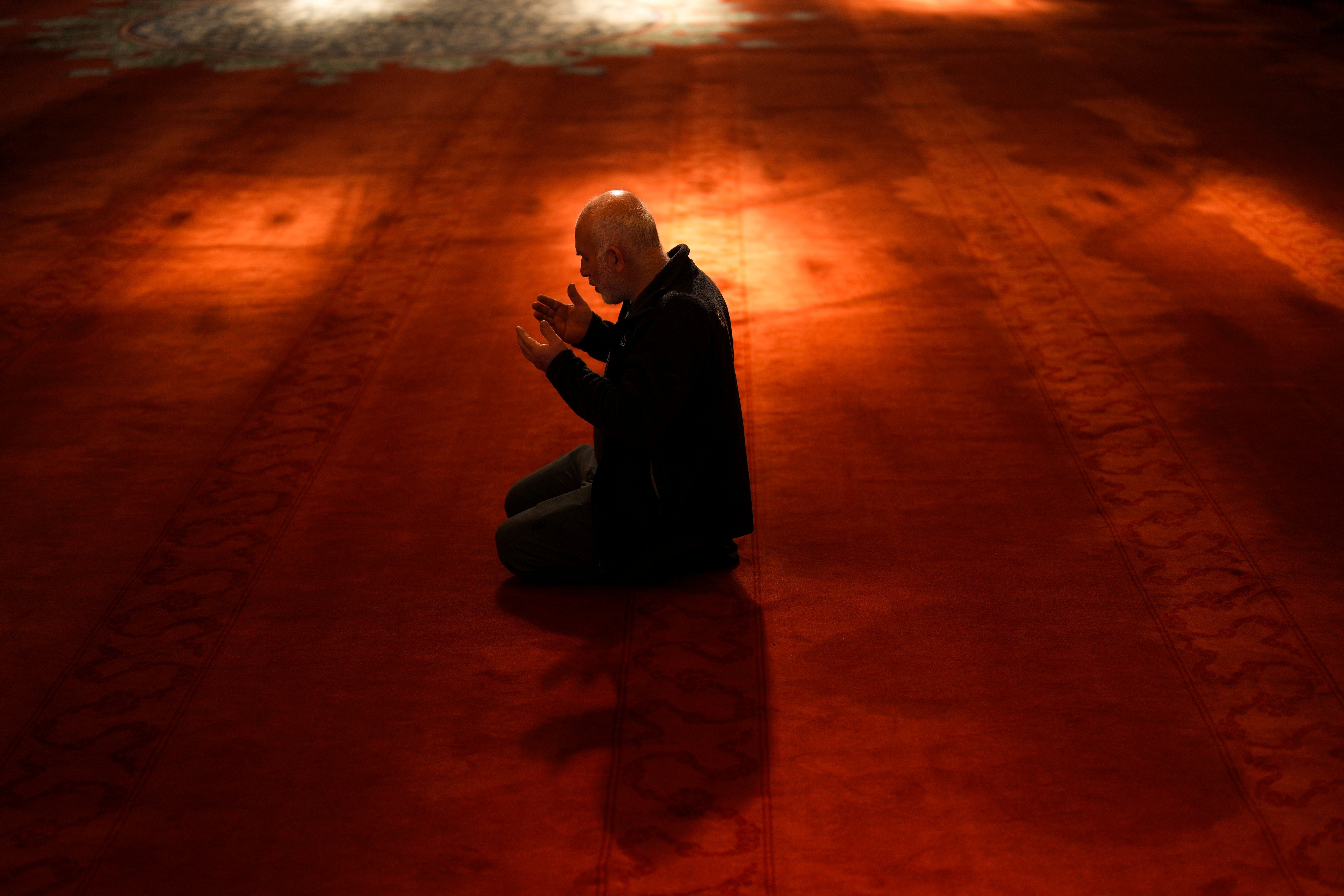
Eid al-Fitr, meaning “the festival of breaking the fast”, signifies the culmination of this month of spiritual reflection and renewal.
Because Islam follows a lunar calendar, Ramadan and Eid rotate through the seasons, occurring approximately 11 days earlier each year.
While the first day of Eid is anticipated to fall between the evening of March 19 and March 20, the precise date may differ slightly among countries and Muslim communities, depending on local moon sightings.
What are some common Eid greetings?
Eid Mubarak, or Blessed Eid, and Happy Eid.
What are some of the traditions and customs associated with Eid al-Fitr?
In Indonesia, the world’s most populous Muslim-majority country, many people embark on an exodus to their hometowns to celebrate the holiday with loved ones. In 2024, an estimated 193.6 million travellers crisscrossed the vast archipelago for Eid, following the homecoming tradition known as “mudik”.
In the past three years of Eid celebrations, Indonesians crammed into trains, ferries, buses and onto motorcycles as they poured out of major cities amid severe traffic congestion to return to their villages to celebrate the holiday with families.
Flights were overbooked and anxious relatives, weighed down with boxes of gifts, formed long lines at bus and train stations for the journeys.
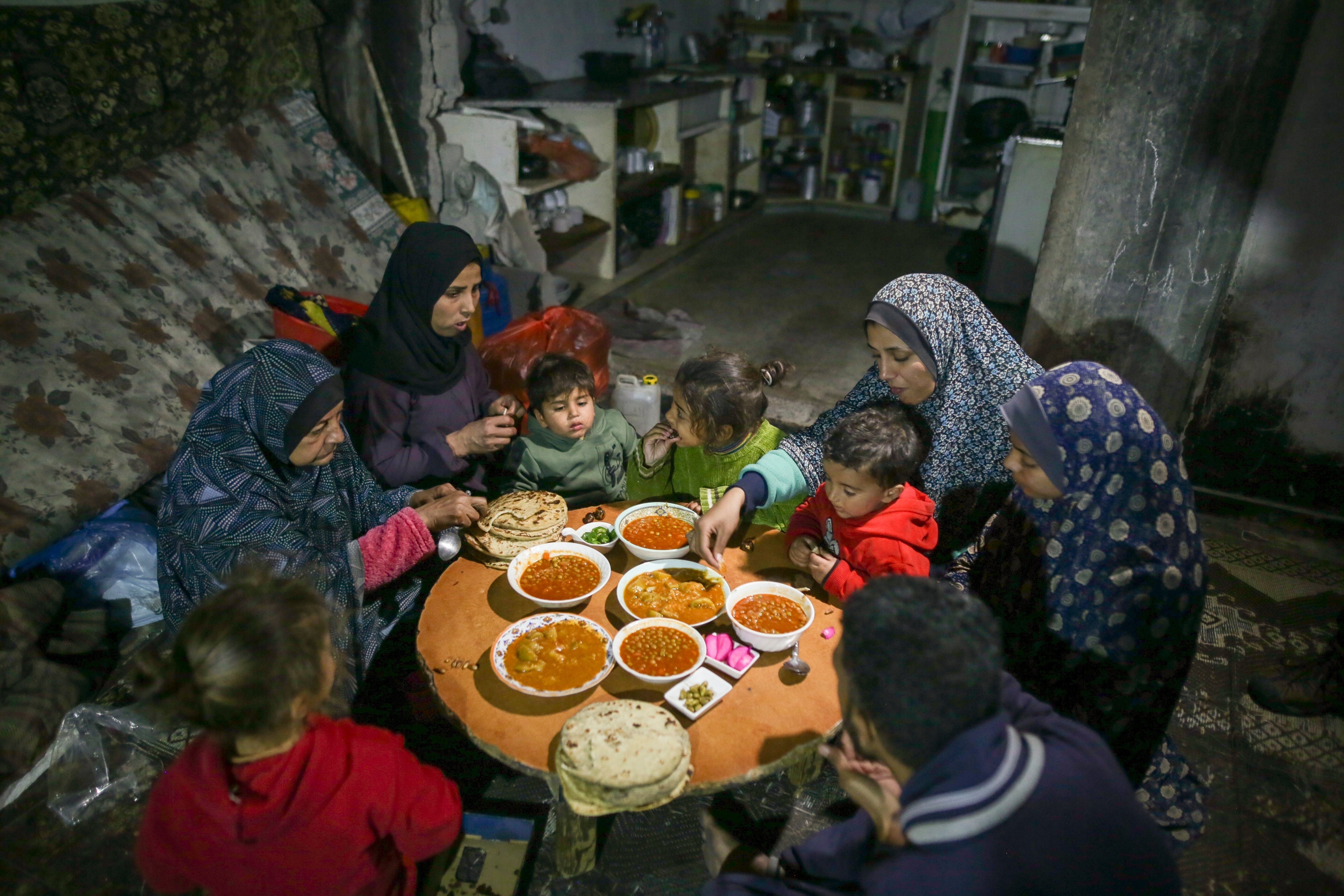
Before the holiday, popular markets teem with shoppers buying clothes, shoes, cookies and sweets.
In Malaysia, Muslims also have a homecoming tradition for Eid. The first day usually begins with a morning prayer in the mosque, seeking forgiveness from family and friends, and visiting loved ones’ graves.
There’s an “open house” spirit that sees friends and families trading visits to celebrate Eid and enjoy traditional delicacies such as ketupat, rice cooked in a palm leaf pouch, and rendang, a meat dish stewed in spices and braised in coconut milk.
Older Muslims give money in green packets to children and guests who visit their homes.
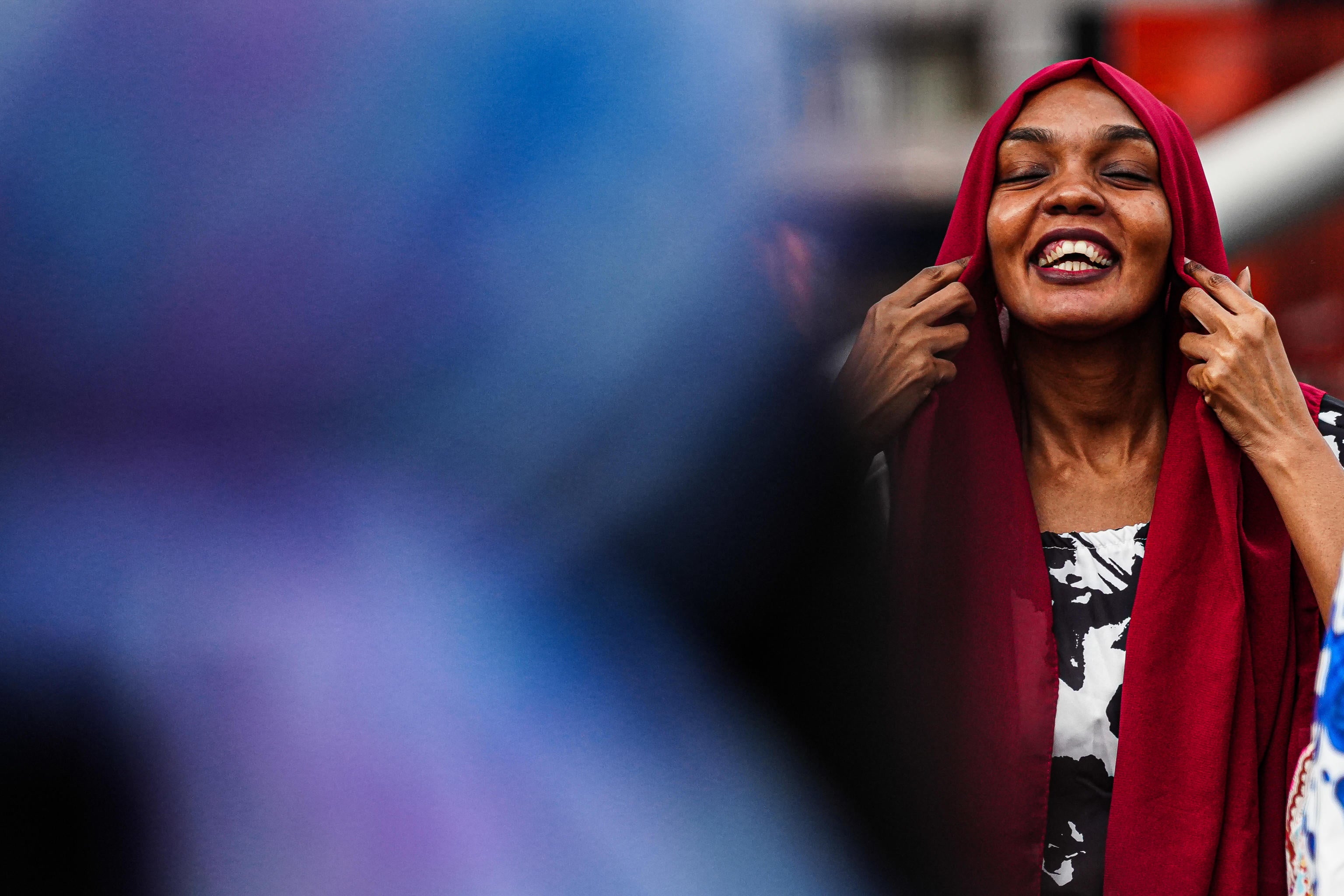
In Egypt, families partake in Eid prayers amid a festive atmosphere. Many visit relatives, friends or neighbors and some travel to vacation spots.
Children, usually wearing new Eid outfits, receive traditional cash gifts known as “eidiya.”
Making or buying Eid cookies dusted with powdered sugar is another fixture of marking the holiday in the country.
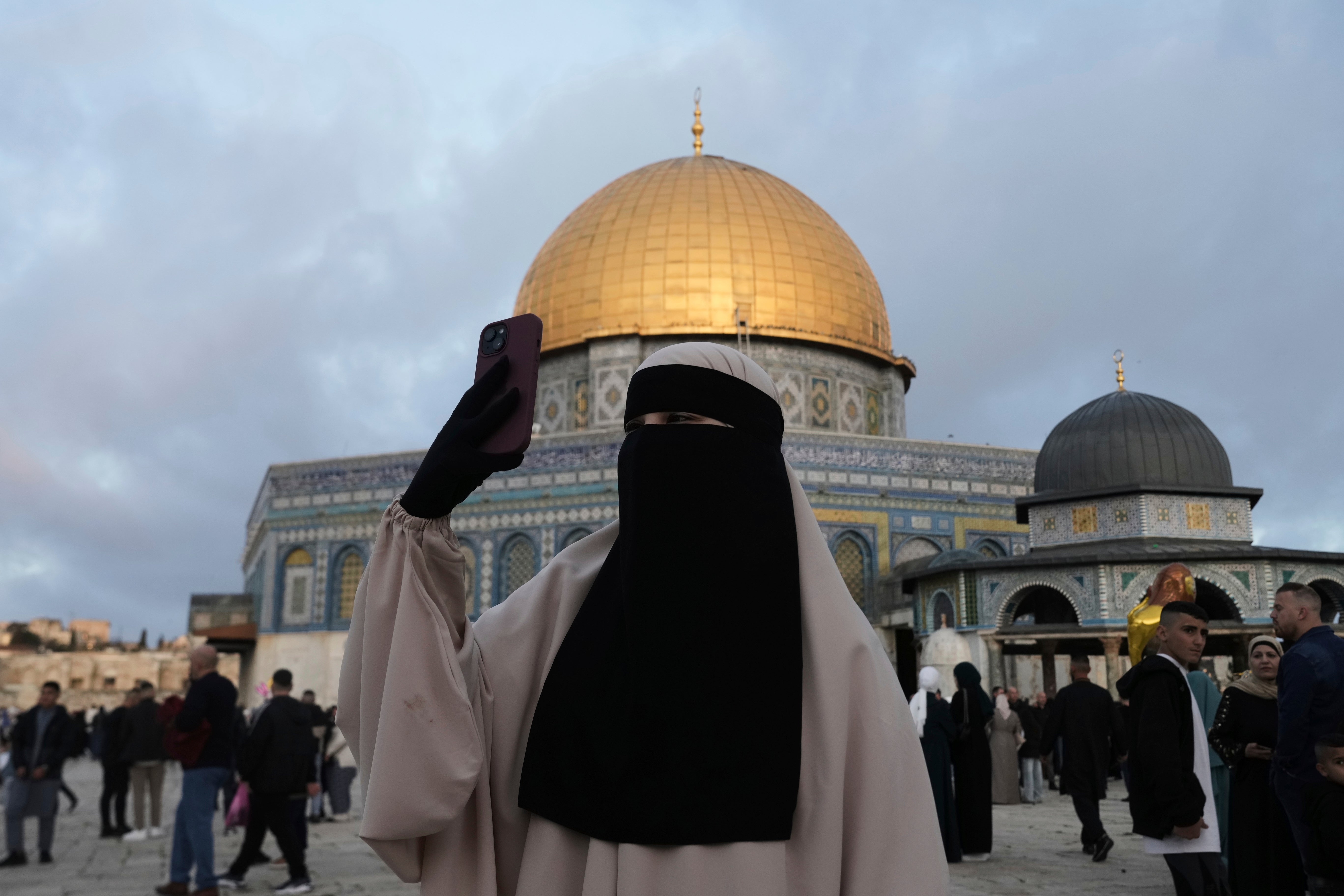
In the United States, where Muslims make up an ethnically and racially diverse minority, many come together for Eid prayers and for festivals featuring fun activities for children and families.
These often include such activities as face painting and balloon twisting.
America’s most famous astrologers are busier than ever
5 ways burnout can affect the brain – and how to overcome it
St. Patrick’s Day 2026: Where to score the best freebies and deals
The ‘caffeine alternative’ appearing in coffee and energy drinks
10 easy Easter home decor ideas for hosting springtime social events