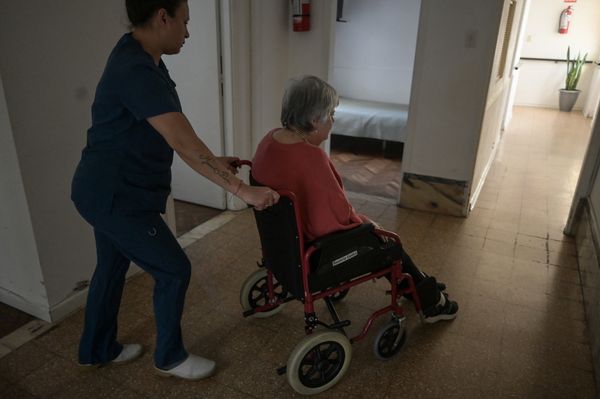
In 2024, Raleigh recorded 38 traffic fatalities, including 13 pedestrian deaths, while Wake County averaged more than 11,000 crash-related injuries a year between 2020 and 2024. These numbers only tell part of the story. Behind each statistic is a person navigating medical bills, lost income, and an unfamiliar legal process, whether the injury came from a car crash, a slip-and-fall incident, a workplace accident, or a defective product. Raleigh's growth has brought more traffic, more construction, and more everyday risks, which means more residents are left wondering what actually happens after they get hurt.
That uncertainty is understandable, and it's exactly why so many injured people turn to an experienced Raleigh personal injury lawyer early on rather than guessing their way through insurance calls and paperwork. Knowing what to expect at each stage of a claim can make the difference between a fair outcome and a frustrating one. Let’s take a closer look at how the process typically unfolds from the first consultation to final resolution.
First Case Review
Early review should sort the facts before an insurer frames them. A personal injury lawyer may examine treatment notes, crash reports, property conditions, photographs, witness names, wage loss, and North Carolina deadlines. That first assessment helps clients see which details carry weight and which gaps need attention.
Medical Treatment
Medical care is the foundation of the claim. Physicians record pain patterns, swelling, reduced motion, nerve symptoms, surgical needs, and work restrictions. Those notes link the event to bodily harm. It is crucial to note that missed doctor visits can create doubt. Clients should keep bills, therapy summaries, prescriptions, imaging results, and discharge instructions in one place.
Evidence Collection
Good proof answers practical questions, such as:
- What happened
- Who saw it
- What damage resulted from the accident
- How daily life changed after the accident
Useful materials include scene photos, video footage, incident reports, repair records, footwear, damaged clothing, and witness names. A short written timeline can preserve records of symptoms, missed shifts, household limits, and travel for care.
Insurance Contact
After notice, an adjuster may ask for statements, releases, or medical history. Clients should be careful, even during polite calls. Broad authorizations can expose unrelated treatment. Casual comments may be read against the claim. Clear responses should stay tied to confirmed facts, documented injuries, and current provider guidance.
Liability Review
Fault must be proven, not assumed. North Carolina’s contributory negligence rule can bar recovery if a client shares legal blame. That makes early liability analysis critical. Traffic laws, safety rules, maintenance records, weather, lighting, warning signs, and witness accounts may affect responsibility. A strong theory about liability keeps discussions focused.
Damage Evaluation
Losses go well beyond an emergency room bill. A full review may include therapy, injections, surgery, medication, mobility aids, lost income, reduced earning capacity, sleep disruption, scarring, and permanent impairment. Future care must be supported by medical opinion. In many cases, it is advisable to wait until the physical condition is stable enough to measure losses.
Settlement Demand
A demand package presents fault, injuries, treatment, expenses, wage loss, and requested compensation. It should read like a documented clinical and financial history, not an emotional appeal. The insurer may accept, deny, or counter it. Early offers often reflect incomplete records, disputed responsibility, or pressure to close the file quickly and cheaply.
Negotiation Phase
Negotiation usually moves in steps. Each side weighs liability risk, medical support, policy limits, prior health issues, local verdict trends, and witness credibility. Clients should expect questions and waiting periods. If an offer remains unfair, filing suit may be necessary before the legal deadline passes.
Filing a Lawsuit
A lawsuit does not guarantee a trial. It begins formal litigation and protects claims within required time limits. The complaint identifies the parties, the factual basis for the claim, legal grounds, and the damages sought. After service, the defense responds. Court involvement adds deadlines, discovery duties, scheduling orders, and closer review of disputed issues.
Discovery
Discovery allows both sides to request information. Clients may answer written questions, provide documents, and give deposition testimony under oath. Medical providers, employers, witnesses, and experts may also supply records or opinions. Preparation matters. Honest answers, careful listening, and disclosing when memory is unclear can prevent avoidable problems.
Mediation
Many lawsuits reach mediation before trial. A neutral mediator helps the parties discuss settlement in a structured, confidential setting. Clients can compare risks, likely costs, the strength of the evidence, and available offers. No one must settle. The meeting simply gives both sides an informed chance to resolve the dispute.
Trial Preparation
If settlement does not occur, preparation becomes more detailed. Attorneys organize exhibits, prepare testimony, review medical opinions, and shape arguments for the judge or jury. Clients may practice questions about injuries, treatment, and daily limitations. Trial risk can still lead to settlement, sometimes very late in the case.
Payment and Resolution
After settlement or verdict, funds are processed through releases, liens, medical balances, case costs, and final disbursement. Health insurers or providers may seek repayment from recovered money. A closing statement should explain each deduction. Careful review helps prevent unpaid bills and gives clients a clear ending.
Conclusion
An injury claim involves making a sequence of medical, factual, financial, and legal decisions. Clients should expect treatment documentation, evidence review, insurance contact, damage analysis, negotiation, and possible litigation. Each stage builds the record needed for fair evaluation. With organized records, steady communication, and careful timing, the process becomes less confusing and more likely to reflect the true cost of recovery.