When the Suez Canal closed in 1967 after war broke out between Egypt and Israel, 15 ships got trapped inside the waterway. They dropped anchor to wait for the hostilities to stop. The conflict ended quickly. Aptly, it was called the Six-Day War, but the canal remained closed for eight years. When the ships were finally allowed to leave, in 1975, only two remained seaworthy. The rest were so rusted they became known as the Yellow Fleet.
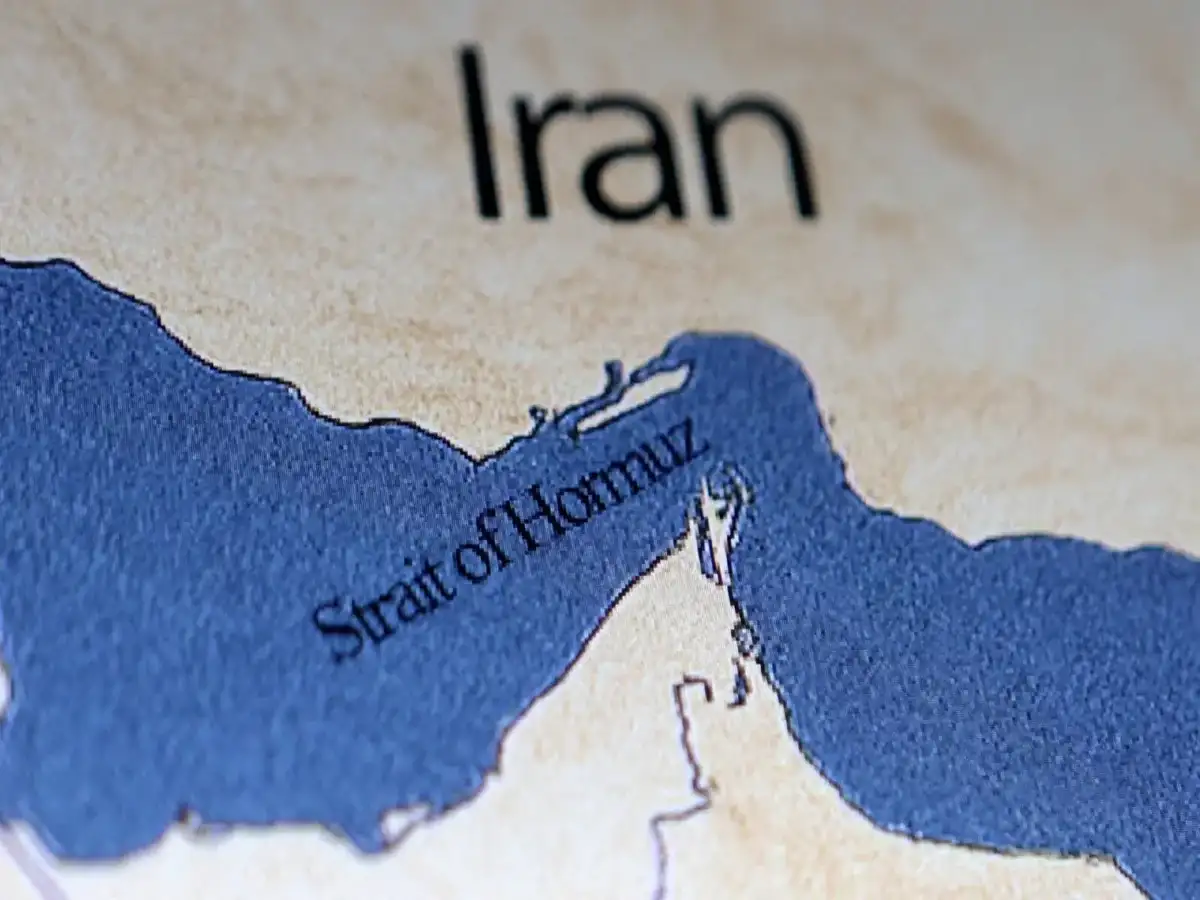
History doesn’t repeat, but it rhymes. So what if something similar were to happen in the Strait of Hormuz? It’s a nightmare few contemplate, and it’s certainly not my own base case. But nearly 90 days since the US-Israeli war on Iran all but closed the oil-and-gas sea route, it’s worth considering what seems unthinkable but has happened elsewhere. Call it historical science fiction.
Also Read: Crude oil prices could hit $200 per barrel if Strait of Hormuz remains closed: Report
Perhaps it won’t come to this. Washington and Tehran are talking, via Pakistani mediators, about ending the conflict and reopening the chokepoint. But what if a deal was limited initially to a one-page long memorandum of understanding? Would that clear the strait fully?
Tellingly, the United Arab Emirates has accelerated plans for a second pipeline bypassing the strait, which it hopes to put into service in 2027. This is prudent worst-case scenario planning — and a strong signal that Abu Dhabi thinks the waterway could remain imperiled far longer than many others believe.