
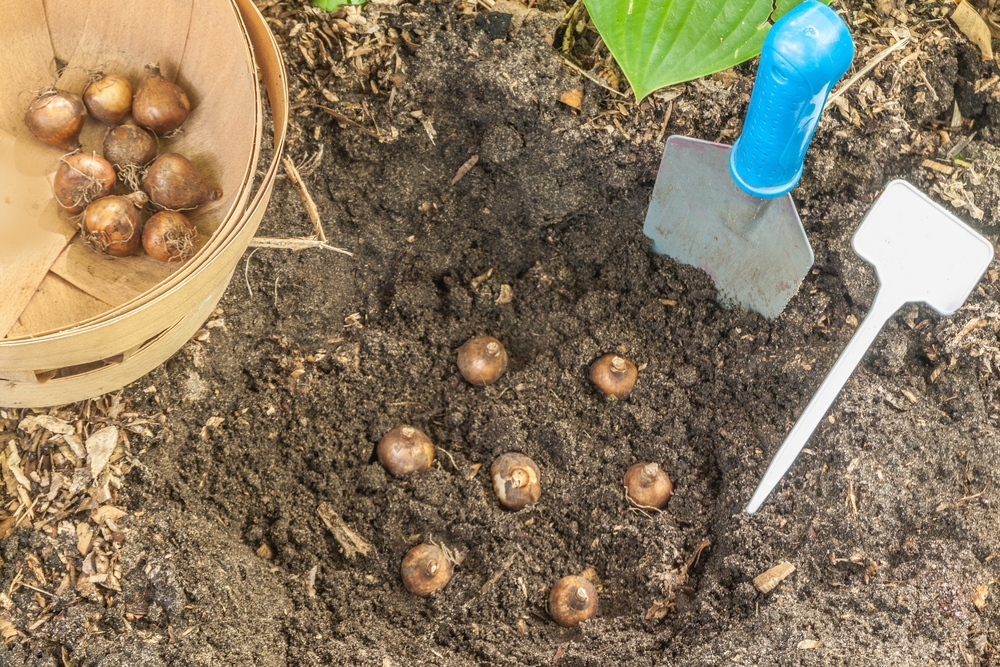
You spent an afternoon planting tulips, daffodils, or crocuses, cleaned the dirt from your hands, and then suddenly had a terrible thought: Were some of those bulbs upside down? Garden instructions usually tell you to put the pointed end up and the flatter root end down, so realizing you may have reversed a few can make you wonder whether you’ve just wasted an entire bag of bulbs. The good news is that planting bulbs upside down isn’t necessarily the spring-flower disaster it sounds like, although correct orientation gives the plant the easiest path to the surface. Bulbs contain stored energy and developing plant structures designed to produce roots and shoots when conditions are right, and growth doesn’t simply stop because the gardener made a mistake. Before digging up the entire bed, here’s what actually matters.