
Get all your news in one place.
100's of premium titles.
One app.
Start reading
Frugal Gardening
Frugal Gardening
Lifestyle
Amanda Blankenship

What Happens If You Bury Kitchen Scraps Directly in the Garden?

trench composting
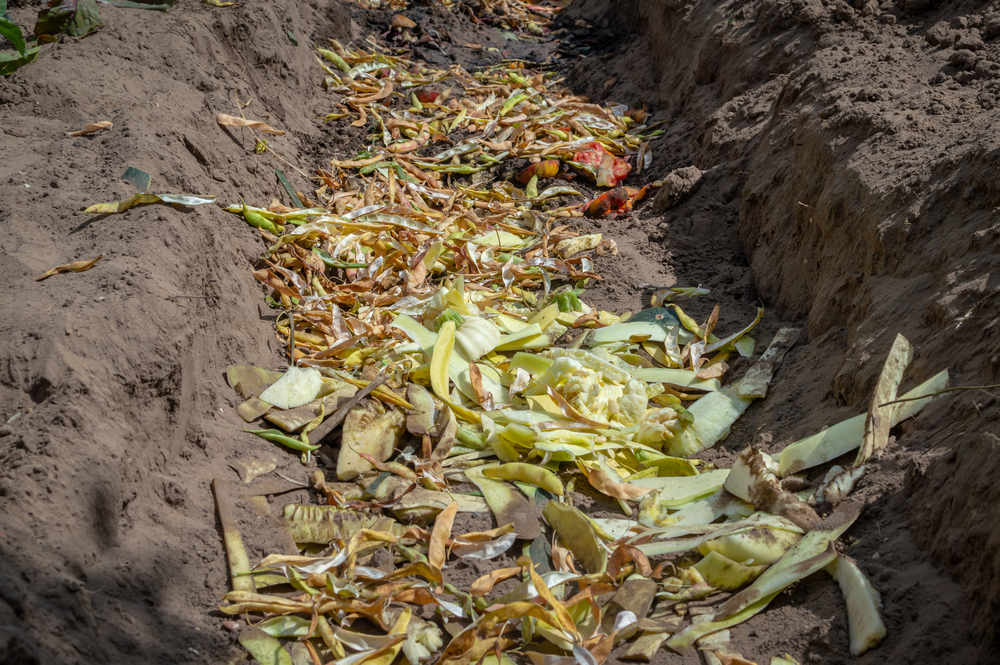
Kitchen scraps can decompose directly underground through trench composting, but don’t bury them right against growing plants. Deep burial and adequate decomposition time are key. A Kisel/Shutterstock

If maintaining a compost pile sounds like one garden chore too many, you may have wondered why you can’t simply bury your vegetable peels and coffee grounds directly in the soil. It turns out you can—gardeners sometimes call the technique trench composting, in-place composting, or compost pockets. Instead of decomposing organic material in a separate pile and later spreading finished compost, you let microorganisms and soil organisms break down appropriate kitchen scraps underground. Oregon State University describes in-place composting as burying organic material directly in garden soil, making the basic concept surprisingly legitimate. The catch is that where, how deeply, and what you bury determine whether you’re improving next year’s garden or creating problems for this year’s plants.

The Scraps Eventually Become Organic Matter

Sign up to read this article
Read news from 100's of titles, curated specifically for you.
Already a member? Sign in here
Related Stories
Top stories on inkl right now
One subscription that gives you access to news from hundreds of sites
Already a member? Sign in here
Our Picks
Fourteen days free
Download the app
One app. One membership.
100+ trusted global sources.







