
A serious crash involving a commercial truck immediately creates severe physical and financial stress. Commercial vehicles can weigh up to 80,000 pounds, meaning collisions often cause catastrophic damage that requires extensive recovery time and high medical costs.
Victims can seek recovery for both direct out-of-pocket expenses and non-economic losses resulting from the incident. Understanding what you can claim under the law helps ensure you do not absorb costs that rightfully belong to the negligent parties.
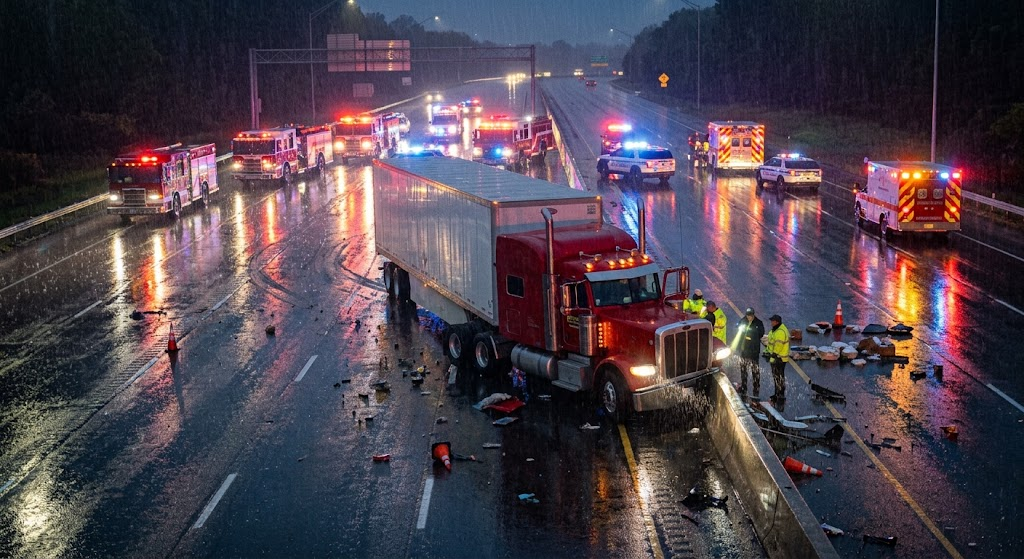
Image Source: Google Gemini
Economic Damages and Immediate Medical Costs
Economic damages compensate for the exact dollar amounts lost as a direct result of the crash. You prove these financial losses with invoices, receipts, pay stubs, and expert financial projections.
Immediate emergency response services, hospital stays, surgeries, and prescription medications make up the primary layer of a claim. However, severe crashes usually demand long-term care, including physical therapy, home modifications, and ongoing specialized treatments. Non-fatal commercial truck collisions that cause injuries cost an average of $148,279 per incident, according to the Federal Motor Carrier Safety Administration, making thorough documentation critical from day one.
These heavy financial impacts often push families to seek local legal clarity regarding their rights. People in Arizona need regional assistance when pursuing truck accident injury legal claims as this allows injured individuals to pursue accountability against commercial carriers and their insurance providers. The importance of getting experts on your side who know the laws of the state applies wherever you live.
Lost wages represent another significant economic category. Victims can recover the income missed during recovery, along with lost future earning capacity if injuries prevent a return to their previous occupation.
Non-Economic Losses and Pain and Suffering
Non-economic damages address the intangible, non-monetary impacts of a collision. While these losses lack a direct price tag, they frequently exceed economic costs in severe injury cases.
Calculating these damages involves assessing how drastically your daily life, physical health, and emotional stability changed after the incident. Insurance carriers and juries evaluate medical records, personal testimony, and expert evaluations to place a fair financial value on these subjective experiences.
The primary non-economic damages recovered in a claim include:
- Physical pain and severe suffering experienced during and after the collision
- Mental anguish including anxiety, depression, and post-traumatic stress
- Loss of enjoyment of life and inability to participate in former hobbies
Federal regulations require commercial carriers to maintain high liability coverage. Because interstate semi-trucks must carry $750,000 to $5,000,000 in liability limits, full financial recovery for non-economic harm remains a viable path for injured victims.
Property Damage and Vehicle Losses
Property damage claims extend beyond the cost of repairing or replacing your personal vehicle. Commercial impacts can instantly crush a smaller passenger car, resulting in total loss valuations.
Victims can recover the fair market value of their vehicle along with compensation for personal items destroyed inside during the crash. Laptops, cell phones, child safety seats, and custom vehicle equipment are all eligible items for reimbursement. Towing fees, storage charges, and rental car expenses incurred while awaiting a settlement or repair completion also qualify as direct property losses.
Identifying Liable Parties in Commercial Claims
Truck accident cases differ significantly from standard auto claims due to the multiple layers of liability involved. Commercial drivers rarely operate independently, so responsibility often extends beyond the person behind the wheel.
Determining fault requires examining motor carrier policies, maintenance logs, and electronic logging device data. Jury trial awards and settlement ranges reflect long-term disability claims when multiple corporate entities share liability for a severe wreck.
Potential liable parties include the trucking company for negligent hiring or scheduling practices, third-party maintenance providers for mechanical failure, and cargo loaders for uneven weight distribution. Identifying every responsible party ensures you access all available insurance coverage to cover your total losses.
Exploring Local Legal Resources for Injury Claims
Navigating complex insurance policies while focusing on physical recovery creates unnecessary burden for injury victims. Securing appropriate evidence, preserving black box data, and meeting legal filing deadlines require prompt action following a collision. Explore our other posts for more advice and guidance on a range of modern challenges and life events.















