The calendar that was never about dates
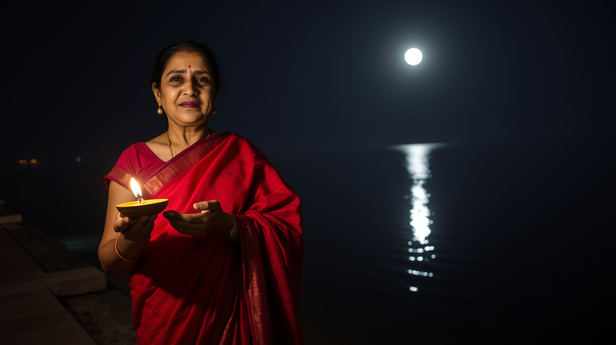
The Hindu lunar calendar was built on one observation: the moon does not repeat itself. Each Purnima, the Sanskrit word for full moon, derived from purna, meaning complete, arrives in a different nakshatra, a different ritu, a different quality of light. The Puranas and the Dharmasindhu both treat each full moon as a distinct tirtha in time, a crossing point with its own character. This is not astrology in the predictive sense. It is closer to a phenomenology of the year, a careful record of what the world feels like when the moon is full in Kartik versus when it is full in Ashadha. The ancients were paying attention to something the modern calendar erased when it replaced lunar months with fixed-length Gregorian boxes.