
After steadily rising for decades, America’s obesity rate is finally declining. It peaked in 2022, when 39.9% of adults were obese, according to Gallup. This year, that share dipped to 36.4% — in large part thanks to increasingly widespread GLP-1 weight-loss medicines.
About one in every nine adults currently takes Wegovy, Zepbound, or another GLP-1. That’s roughly a ten-fold increase since 2022.
And that share will likely keep rising as the price of these drugs continues to drop. As recently as last year, the weight-loss treatments cost over $1,000 per month. Today, patients can purchase them for as little as $149 a month — because the leading GLP-1 manufacturers have been forced to slash prices to compete for market share.
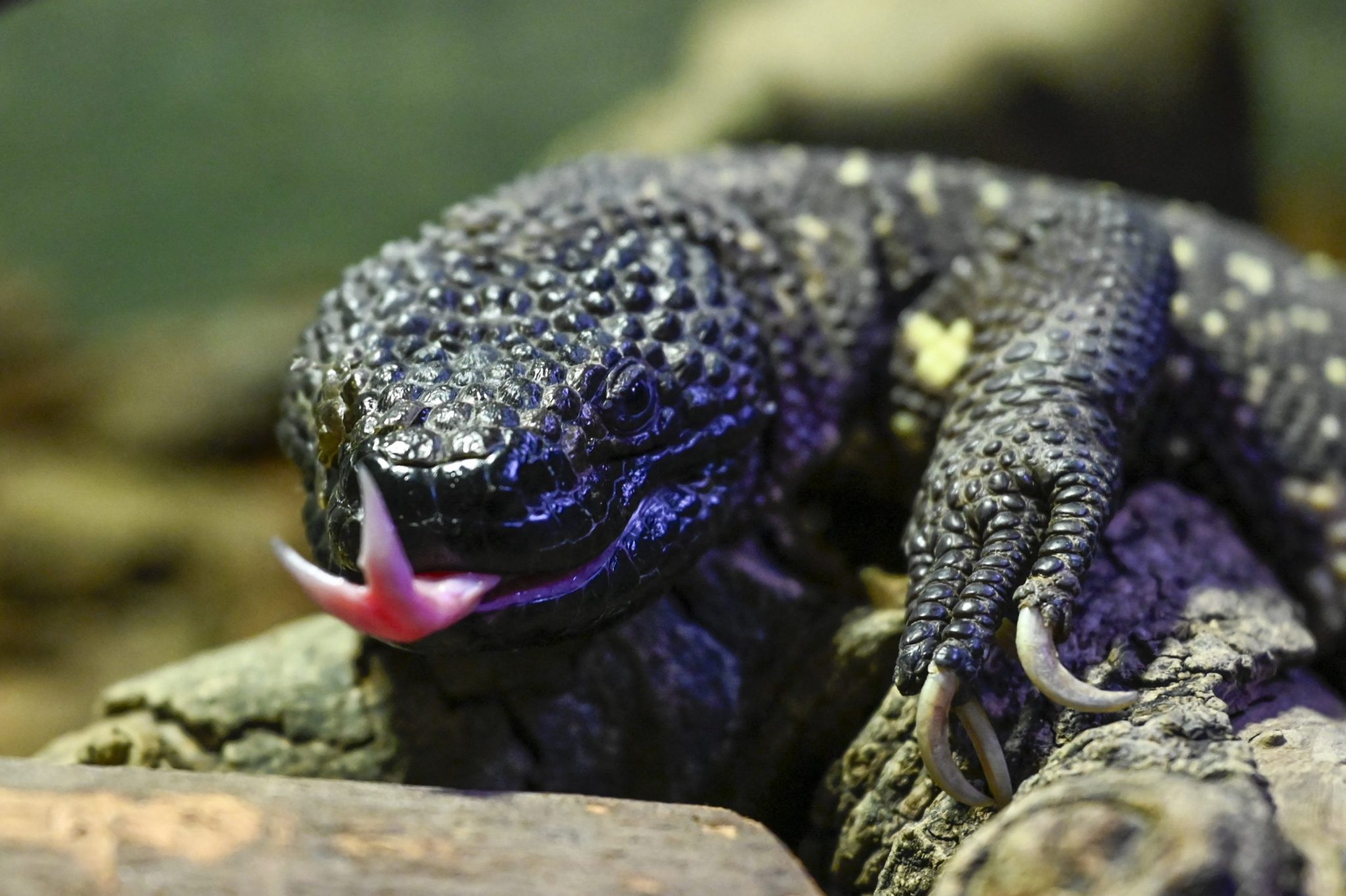
Americans can thank a desert lizard—and the patent system—for these increasingly ubiquitous, increasingly affordable treatments.
The story begins in 1990, when John Eng, an endocrinologist at the Veterans Administration, isolated a peptide from the venom of Gila monsters, the nearly two-foot-long lizards native to the Southwest. That peptide mimicked the human hormone GLP-1, which prompts the pancreas to release insulin and makes people feel full. But unlike natural GLP-1, which disappears from the body within minutes, this compound remains active for hours.
Dr. Eng patented the peptide. Amylin Pharmaceuticals eventually licensed and developed it into the first GLP-1 medicine. In 2005, the FDA approved it to treat type 2 diabetes.















