
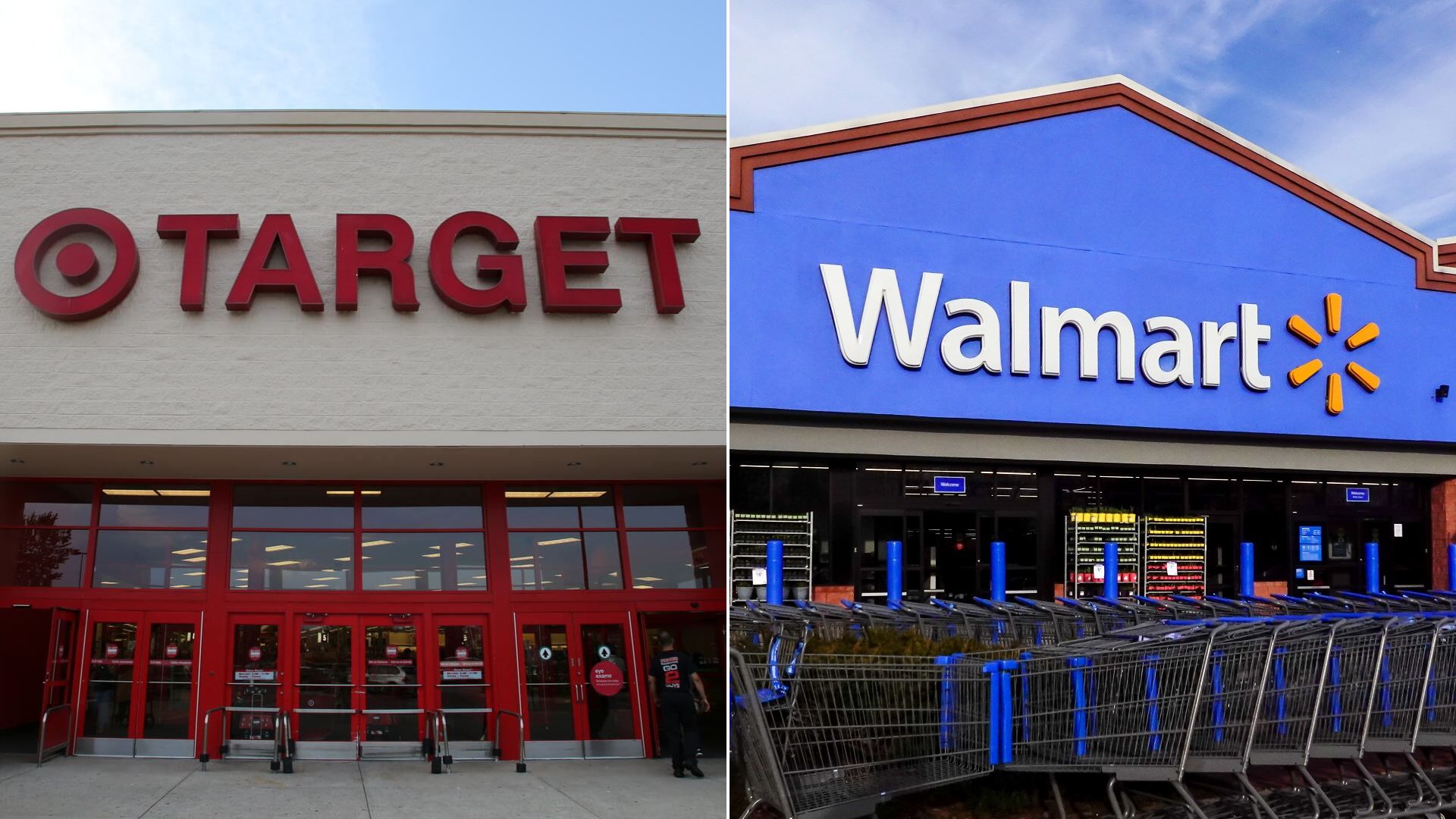
It used to be that $100 would go a long way in the American economy. Companies like Walmart and Target were able to cater purchases to those on a budget, but in the last few years, prices have gone up across the board in the United States, even in stores that are meant to offer lower prices and discounts.
The National Taxpayers Union released a study in August, 2025, which found that things like President Donald Trump’s tariffs have added a rate of nearly 50% on backpacks, 38% on sweatshirts and over 50% on water bottles since 2021, in many cases doubling or tripling the price of these goods. For retailers like Target and Walmart, this means passing on the cost of the tariffs to customers. In 2026, what does that mean for consumers looking to spend $100 at either Target or Walmart?

Inflation and tariffs have a direct impact on retail pricing and purchasing behavior, according to Jason Vaught, the director of content and marketing at SmashBrand, especially when it comes to everyday purchases that American shoppers are making.
Home Goods
“A 12-pack of paper towels costs $15.48 at Walmart and $16.99 at Target, while a 64-ounce bottle of olive oil is $9.88 at Walmart and $11.49 at Target,” stated Vaught.
These differences reflect both retailer pricing strategies and nationally imposed tariffs on imported goods from China, combined with rising input costs that are projected to go up in 2026.
Find Out: 10 Kirkland Products Costco Quietly Raised Prices on — and Where To Buy Instead
Consider This: 6 Things You Must Do When Your Savings Reach $50,000
Electronics and Appliances
Vaught outlined that electronics and kitchenware have the same price pattern, which will likely continue into 2026. Vaught highlighted that Walmart achieves lower pricing on high-tariff items through bulk sourcing and efficient distribution, while Target maintains higher margins and occasionally offsets costs through promotions or loyalty incentives.
“A 10-inch non-stick skillet is $22.98 at Walmart and $25.99 at Target, and a 16GB USB drive costs $12.88 at Walmart versus $14.49 at Target,” noted Vaught.
Discretionary Purchases
Seasonal decorations imported to the United States cost $19.98 at Walmart and $24.99 at Target, based on Vaught’s calculations, and most likely will be even higher by the holidays roll around at the end of 2026.
“Consumers who systematically compare prices and account for tariff impacts can reduce routine spending by 10 to 20%,” Vaught went on to explain. “This pricing insight informs both product positioning and inventory strategy for retail operations, providing a measurable advantage in managing cost-sensitive categories.”
More From GOBankingRates
- Trump's $2K Dividend: Who Qualifies and How You'll Get It
- Elon Musk Predicts 'Universal High Income' Will Pay For Everything -- How Much Would You Get?
- How Middle-Class Earners Are Quietly Becoming Millionaires -- and How You Can, Too
- 5 Things You Must Do When Your Savings Reach $50,000
This article originally appeared on GOBankingRates.com: What $100 Buys You at Walmart vs. Target in 2026