
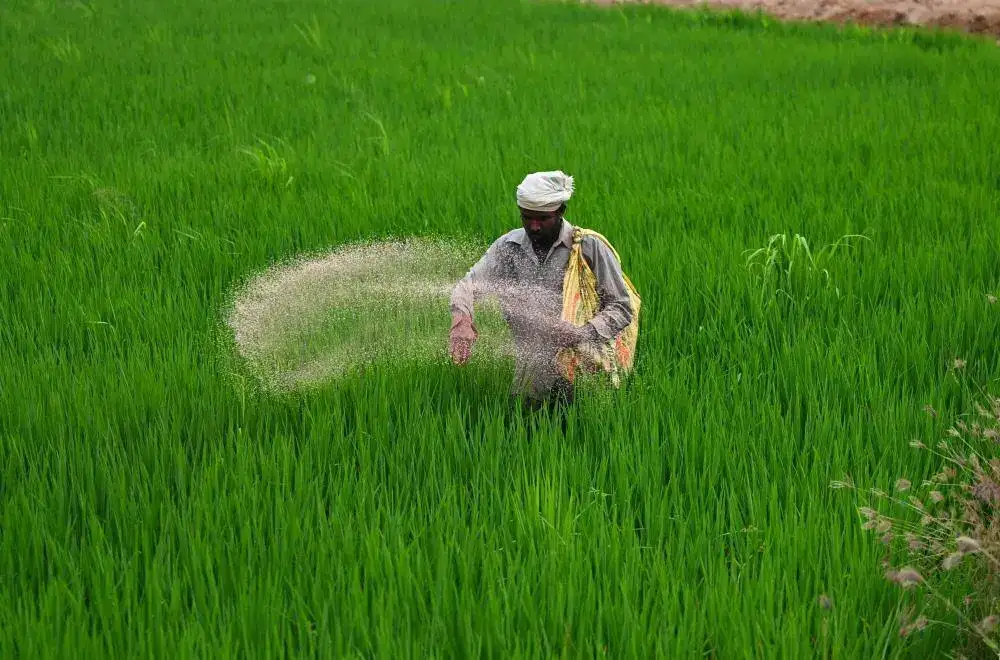
The West Asia conflict is not only a geopolitical crisis. For India, it is a reminder that the sustainability of food systems depends not only on farm-level production, but also on the stability of energy supplies, shipping routes, and agri-input markets. A conflict thousands of miles away, especially when it creates uncertainty around critical routes, such as the Strait of Hormuz, can raise the cost of natural gas, disrupt supplies of key crop nutrients, increase cultivation costs, and ultimately affect both farmers’ incomes and household food bills.
This is because India’s fertiliser security is deeply tied to global supply chains. The country imports a significant share (approximately 60%) of its diammonium phosphate (DAP) requirement, remains fully dependent on imported potash, and even domestic urea production relies heavily on imported liquefied natural gas. Nearly 50% of India’s natural gas and about 85% of its crude oil requirements are also met through imports.










