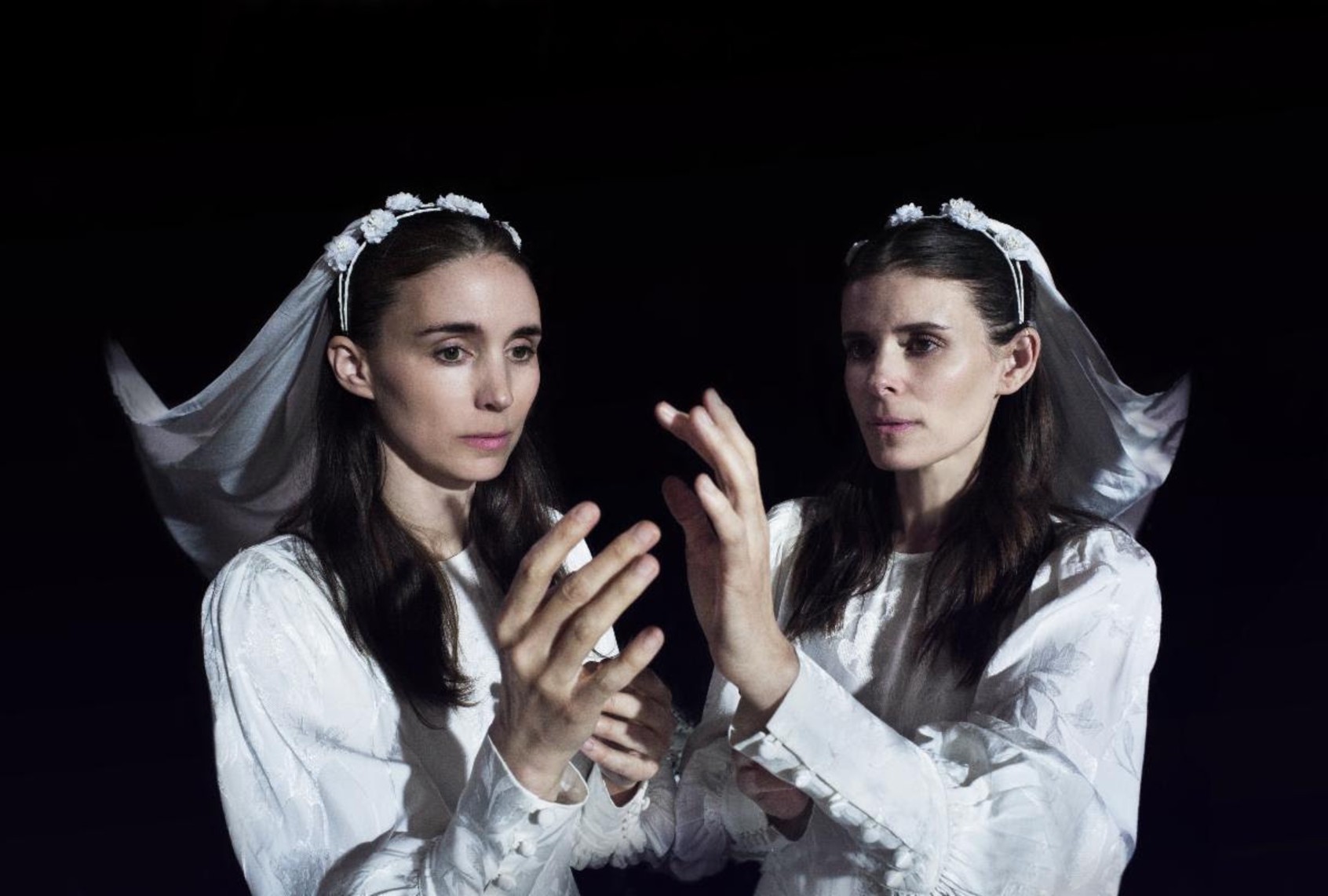
When prolific filmmaker Werner Herzog first met the Chaplin twins, Freda and Greta, the internet as we know it did not exist. If it had, it’s likely that the mystifying story of these sisters — who had a brief flash of fame in the ’80s when their neighbor sought a restraining order against them after a sexual dalliance with the two of them turned hostile — would have already run its course. According to reports, Freda and Greta not only looked and dressed alike, but spoke in unison, as if they shared a single brain. No doubt the TikTok amateur detectives would’ve momentarily shifted from true crime to the Chaplin twins, trying their damnedest to debunk what only the sisters could truly understand. One can’t possibly grasp the closeness two people share until they’ve experienced firsthand the joy and indescribable pain that come with the kind of enmeshment written in fate’s codex.
Though to his credit, Herzog tried his best. In his memoir, “Every Man for Himself and God Against All,” he describes tracking down the Chaplin twins with a newspaper photograph of the building they lived in. “You could have folded a picture of them, and the two halves would’ve matched,” Herzog writes. He watched them vacuum together, walking side by side with four hands on the machine at once until they got stuck between two chairs, sending them into a tizzy. Trying to open a can of sardines could’ve gravely injured them had the twins not gotten into a screaming match in the process. Ever the humanist, fascinated by ordinary people taking on otherwise herculean tasks to the point of obsession, Herzog resolved decades ago to make a film inspired by the sisters. He even had a title.