
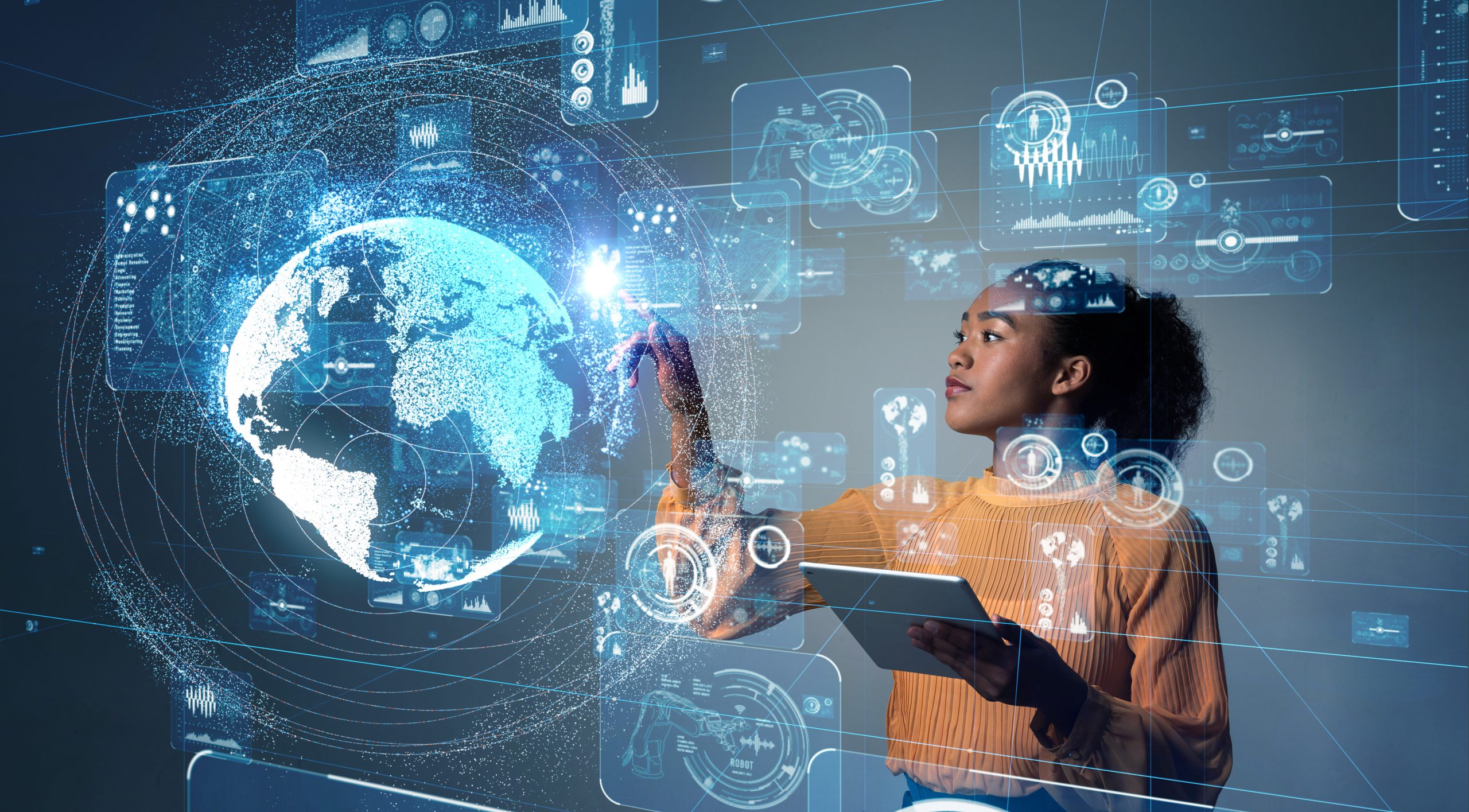
The 1990s and the early 2000s gave the world an unprecedented change through the rise of what we call the Internet. Web 1.0 was ushered in when web browsers such as Netscape Navigator were introduced. The bland and disorganized web pages of this era were replaced by the era of social media and user-generated content. Over the past decade, the world saw an exponential rise of Web 2.0, which is characterized by the continuous rise of a handful of dominant platforms.
The upcoming iteration of these generational phases is what we understand as Web 3.0. This new version of the web is built upon the principles of decentralization, openness, and greater user utility. Integrating technologies such as Artificial Intelligence and Machine Learning, or the semantic web system, the concept of Web 3.0 is picking up momentum.