For a generation of rock fans, thrash metal changed everything. Spawned on the streets of Los Angeles, San Francisco and New York in the early 1980s, thrash was fast, violent, chaotic, raw and anti-social, and every bit as revolutionary as punk rock had seemed a decade earlier. Like the US hardcore scene which developed along parallel lines, it was a movement in which angry, alienated kids sang aggressive songs to, for and about other angry, alienated kids, an underground community powered by fanzines, the trading of badly-dubbed demo cassettes and a word-of-mouth, peer-to-peer buzz which was gradually amplified from a whisper to a scream.
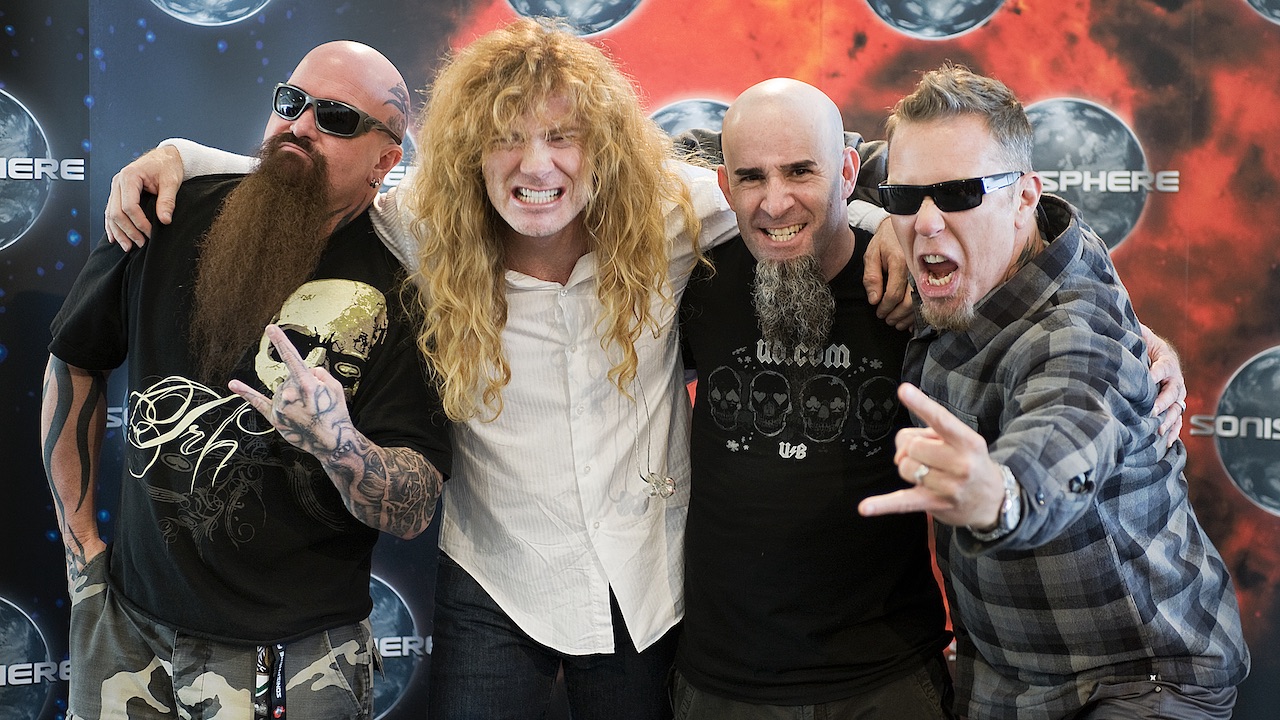
Debate continues over who was the very first thrash band - you'll meet people who'll cite Exodus or Overkill or Anvil as the true progenitors of the sound - but by 1986 there was absolutely no argument who the kings of the scene were. Metallica, Slayer, Megadeth and Anthrax were the Big Four, the most commercially successful, critically acclaimed and creatively inspired Thrash bands on the planet. Having taken this ferocious, flesh-stripping sound from suburban garages to shitty backstreet clubs and on into the mainstream, at the time they felt like the most important, inspirational and vital metal bands around, making the competition look tired, out-dated and largely irrelevant.
There was a degree of rivalry between the bands - famously, after being kicked out of Metallica weeks before the band recorded Kill 'Em All in 1983, Megadeth frontman Dave Mustaine noted "I wanted blood. Theirs. I wanted to be faster and heavier than them" - but it was every metalhead's dream to see the quartet share a stage, even if only for one night. That dream came tantalisingly close in the summer of 1991 when Slayer, Metallica and Anthrax teamed up for the Clash Of The Titans tour, but exactly one month after that tour ended Metallica released their self-titled fifth album - aka 'The Black Album' - and immediately established themselves as the biggest metal band in the world, moving into a whole new league from their peers and effectively ending any prospect of getting the old gang back together. Or so everyone thought...