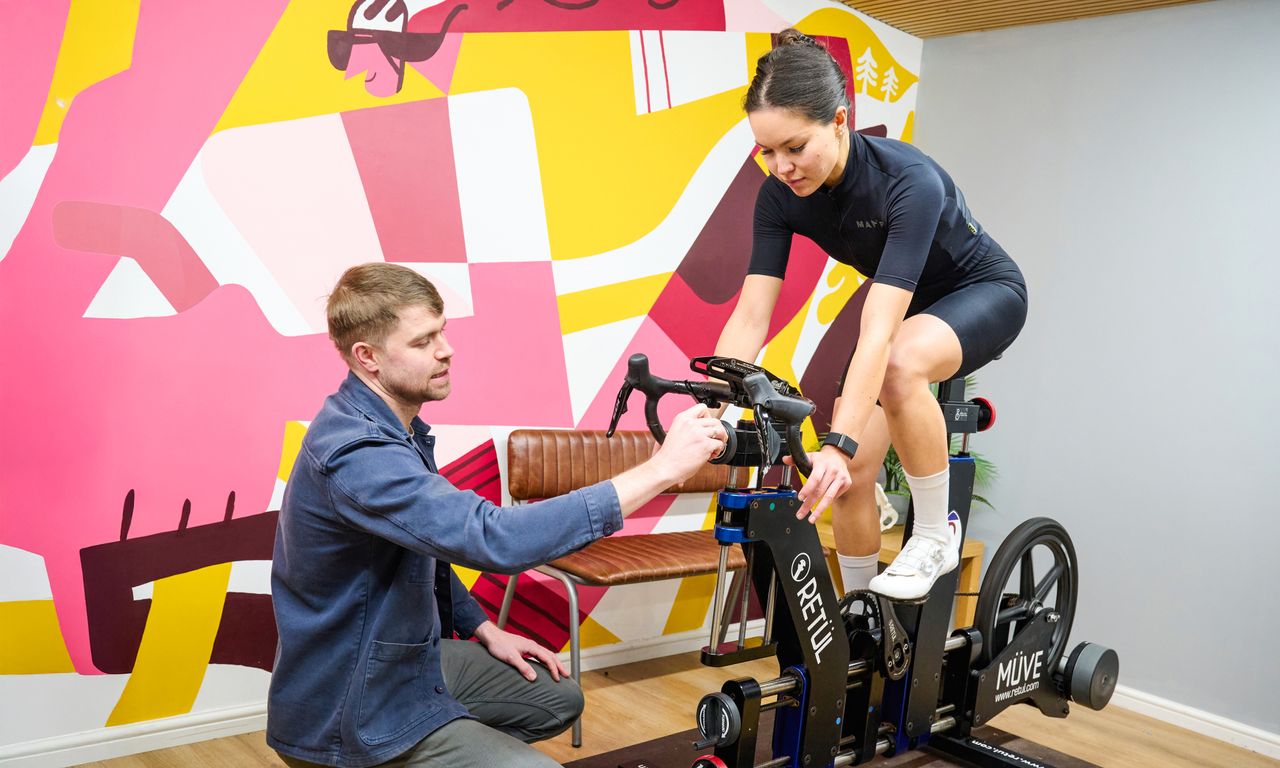
At the tail end of winter 2014, I walked into a bike shop for a bike-fit. At 163cm tall, long in the leg and short in the torso, I had grown used to folding myself onto frames that felt not quite my size. When the fitter told me I needed a 53cm – a size rarely seen on shop floors – I ordered a Bianchi Dama Bianca, one of the era’s women-specific road bikes. Back then, “women-specific design” meant in-between sizes, shorter top tubes, taller head tubes, narrower handlebars, and wider saddles. The premise was clear: women’s bodies are different, so women’s bikes should be too.
A dozen years on, most brands have folded women’s ranges into “unisex” platforms, arguing that male and female rider proportions overlap too widely for gender to be a meaningful design guide. The industry now speaks of data sets, bell curves, and size resolution rather than female geometry. But does its tidy narrative mask a more complicated reality? Are women being underserved as women-specific models vanish while bike-makers consolidate production lines to protect their bottom line?