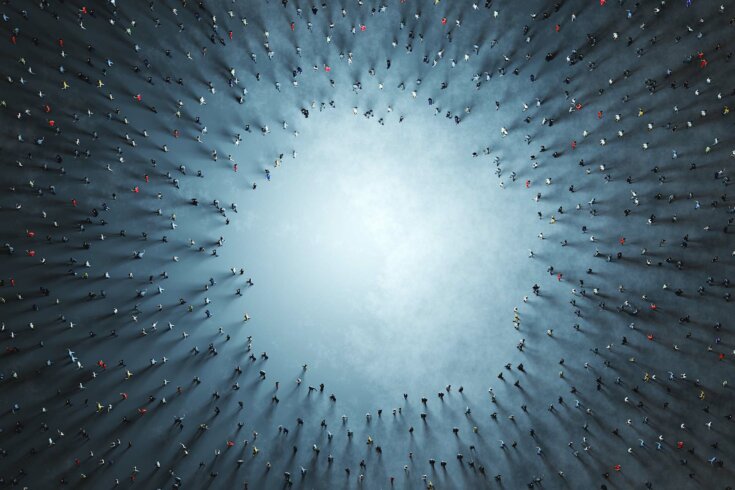
We live in a time of large-scale democratic reckoning, coupled with crumbling trust in public institutions and their elite functionaries. More people will cast electoral votes in 2024 and 2025 than at any other moment in human history: a so-called super-cycle election event that involves sixty-four sovereign nations around the planet—including India and the United States, most of Europe, and dozens of nations many people would struggle to locate on a map—accounting for 49 percent of the total global population. Together, these countries control most of the combined natural resources, financial power, and military hardware of the entire human project.
The results of this great tallying of political desire are, naturally, beyond any single person’s assessment. The many millions of votes being cast might also take years to show their genuine effect in public policy, cultural attitudes, and geopolitical shifting. But despite the obvious display of popular will, or maybe simply because of it, this is not a moment to feel much reassurance about the future of liberal democracy or transnational justice—what we might call the cosmopolitan dream. There are dark signs of rising right-wing authoritarianism everywhere, mobilization in rich nations against the flow of migrants, and entrenchment of economic disparity. Existential threats, meanwhile—from climate disaster, artificial intelligence, and old bogeys like nuclear war and fundamentalist rage—are the background noise of news feeds, doomscrolls, and the incessant demands of everyday life.