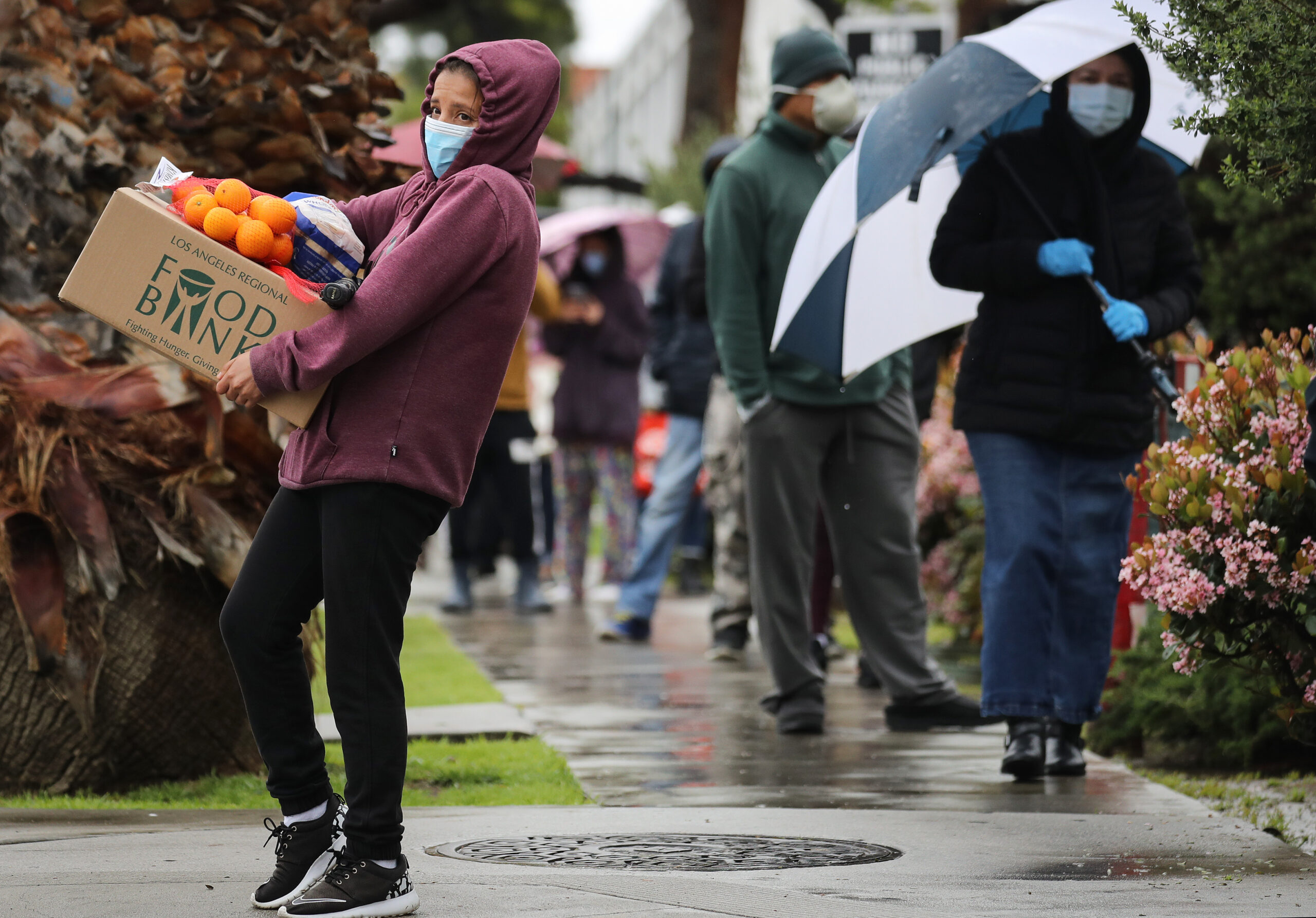
Amid the ravages of the COVID-19 pandemic and its long, difficult aftermath, one bracingly simple truth about poverty in America was reaffirmed: The government can reduce it — if it wants to.
We know that because it happened. After the pandemic hit in early 2020, federal policies directed stimulus payments to households, enhanced and extended unemployment insurance, expanded both the Child Tax Credit and food and housing assistance programs, and made health care more accessible. As a result, the U.S. experienced a historic reduction in poverty rates, both overall and for children, despite a crisis that shuttered businesses and put millions out of work.