Get all your news in one place.
100’s of premium titles.
One app.
Start reading
PC Gamer
PC Gamer
Rory Norris

'We don't use AI…to replace people,' claims Arc Raiders CEO, without actually explaining what they do use it for

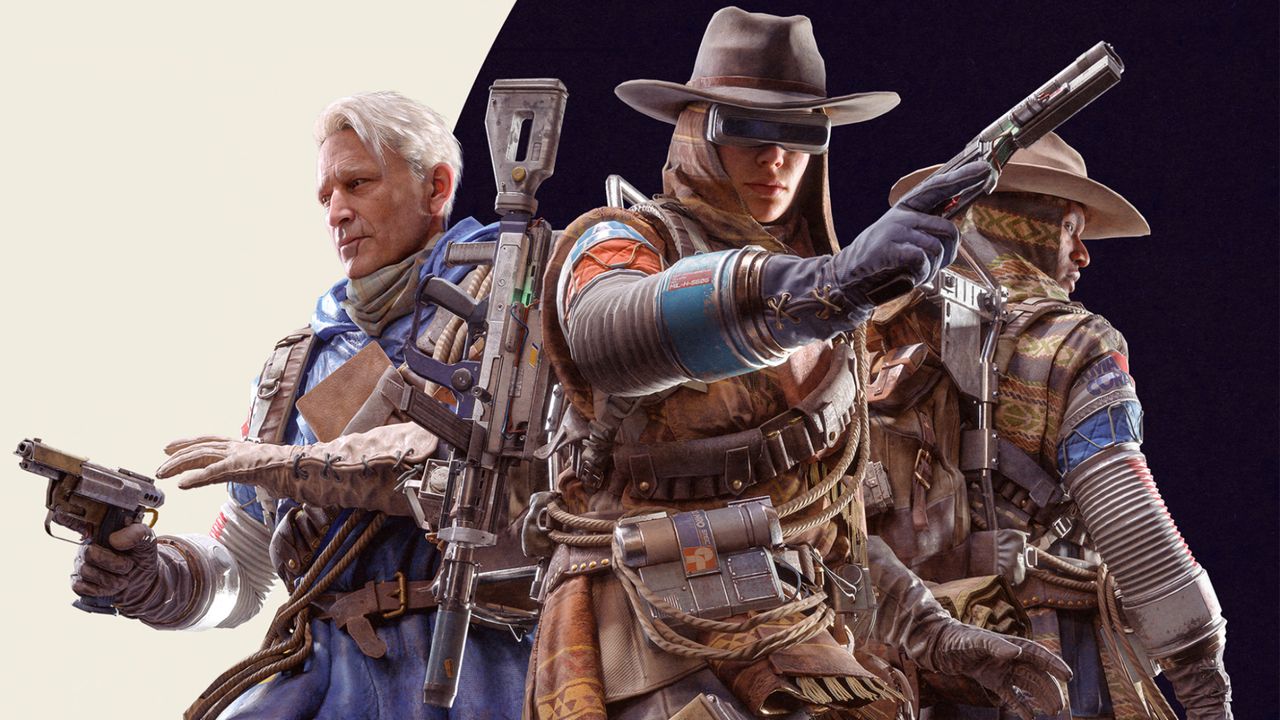
Arc Raiders: Key art showing three characters. The one on the left is wearing a blue pincho and holding a pistol ready at their hip. The middle figure is wearing a brown poncho and cowboy hat, facing the camera with a pistol across their chest. On the right is another character in a brown poncho and hat but facing away.

Regardless of how players feel about the technology, AI is increasingly encroaching on both the behind-the-scenes game development and the final product that lands in players' hands. Just recently, Sony patented an AI-powered 'ghost' to guide you through games, Razer has made a holographic AI assistant in a test tube, golden child Larian is using generative AI in its development process for Divinity, and the biggest shooters on the market, Call of Duty and Battlefield 6, are locked in a battle to sneak in as much terrible AI art as possible. It's grim out there.

And then there's Embark Studios, which has used AI in both The Finals and its latest and greatest hit, Arc Raiders. Both prominently feature AI voices, for example, which has once again sparked debate over the ethics of using AI to generate assets for games that used to be created individually by people, whether artists or voice actors.

Perhaps to help clear the air, in a recent interview with GamesBeat's Dean Takahashi, Embark Studios CEO Patrick Söderlund expressed, "I think people have misconceptions about what [AI] means. I mean to us, we don't use AI to not have to hire people, or to replace people, or to replace job groups, that's not the point."

More specifically, Söderlund claims that Embark "couldn't have built" The Finals or Arc Raiders, nor sustained aggressive live-service support for them, without the use of AI in streamlining development: "it can be a tremendous help to developers and has a tremendous benefit to players."

Of course, outside of using AI voices trained on paid actors in both games, Embark has been vague about its exact use cases, but Söderlund notes that the intention with AI is "making tedious and sometimes boring work disappear or be much faster" and "putting people's time where it makes sense". Söderlund caps that thought off by saying, "I hope that's not something that rubs people the wrong way; it shouldn't be", which I'm sure will put the debate to rest for good.

"The Finals, for example, has been updated every week since the day we launched it. There have been substantial improvements to the game and updates to the game. By the way, the game is free, so you can go in and not spend a single dollar, and we couldn't have done that without some help from AI, but obviously, most importantly, through smart investment in tools and pipelines and technology, and incredible people."

Despite the negative impact AI is having on multiple industries (which Söderlund acknowledges), the CEO claims, "we need to learn how to manoeuvre that situation and what it means. It doesn't need to be something that's all bad."

Söderlund caps it off by reiterating that gaming "is a people industry, and it's going to be a people industry. I don't envision games being done automatically by some AI; that is not how I look at it."

It's difficult to judge whether the use of AI in development Söderlund is talking around meets a standard of 'ethical AI use' that we haven't collectively agreed on. This isn't the first time, and won't be the last, that we hear a CEO pay lip service to not using AI to replace people while explaining the ways that it has replaced the work that people do.

Sign up to read this article
Read news from 100’s of titles, curated specifically for you.
Already a member? Sign in here
Related Stories
Top stories on inkl right now
Our Picks
Fourteen days free
Download the app
One app. One membership.
100+ trusted global sources.