PRODUCER WEEK 2025: The 1960s were a decade of quite astonishing change. The conservatism and austerity of the postwar period was besieged by the blooming of pop culture - and a new era of self-expression began to flower in the heads of a generation.
By 1966, culture, fashion, art and comedy were undergoing a giddy renaissance, yet it was pop music that was the prime mover. Its influence over the youth now solidified, pop could push beyond its hormone-fuelled bedrock. It was increasingly wandering into new frontiers of possibility.
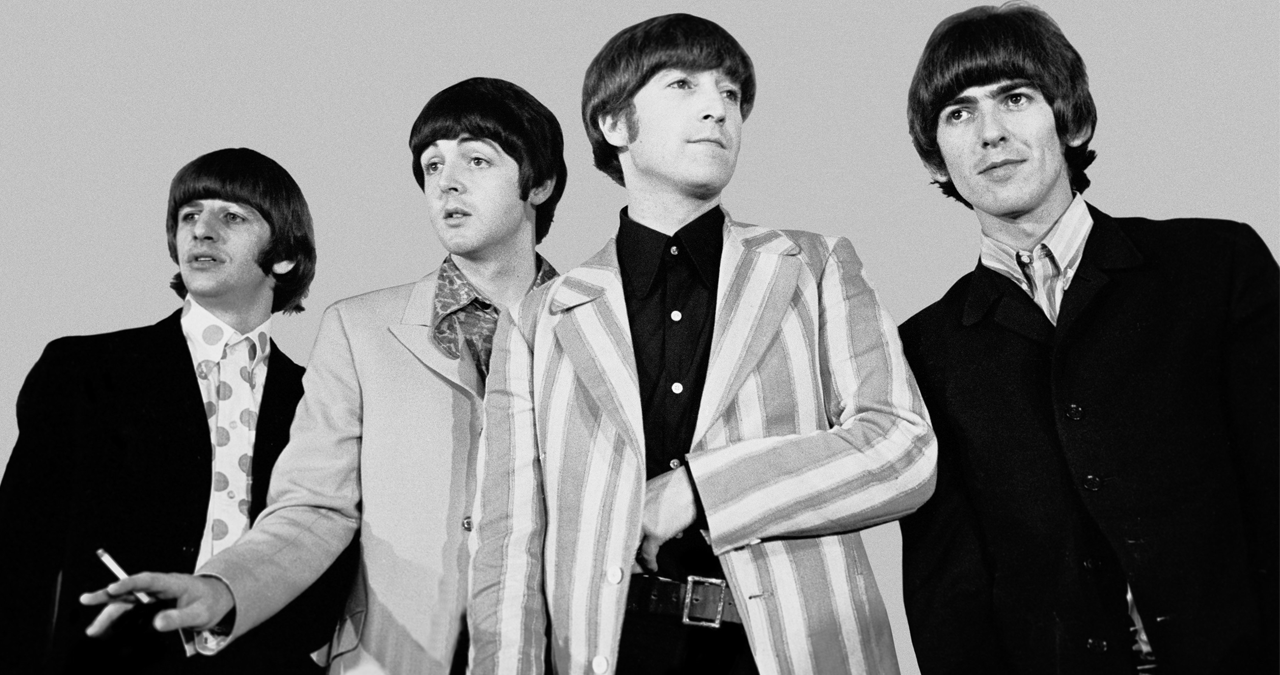
Nothing exemplified this as clearly as the sonic evolution of the Beatles.
Since their explosion into the public consciousness a scant three years earlier, the Fab Four had demonstrated an aptitude for pop songwriting.
Now, curiosity - and competition - had spurred them to deviate away from the thematic norms of pop songwriting (i.e. love, relationships and relentless positivity).
On their sixth studio album, Rubber Soul in 1965, John Lennon, Paul McCartney, George Harrison and Ringo Starr had widened their musical scope significantly. Edging away from the dictates of pop commerce, Rubber Soul rippled with more mature themes - and a more varied instrumental palette.
But it was 1966’s Revolver that really instigated the Beatles’ pioneering second stage.