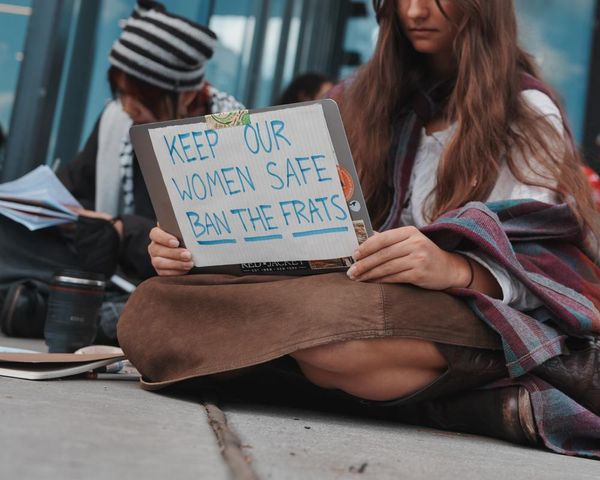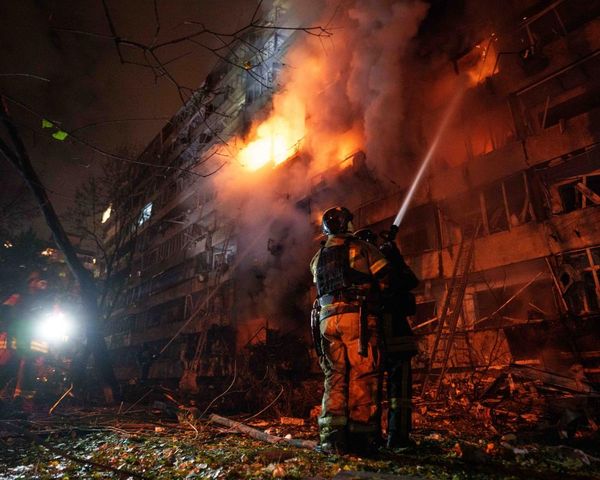
protest for their personal and political rights
Mahsa Amini
Nika Shakarami
told PEDESTRIAN.TV.
“A lot of people are really quick to brush off inequality and inequity as ‘oh that’s just the way it is’ or it’s made up. I don’t think people understand these historic, traditional, institutional barriers that women face.
“I think a lack of belief in young girls [is a barrier] too. We’re so quick to judge young girls as always [being] on their phones or caring too much about their looks. I think social media is such an incredible tool for education.
“My 14-year-old sister can learn about the wars overseas from Instagram, how incredible is that? I think we need to start taking young girls seriously because they are the most educated and empowered group of young people that we’ve seen in generations.”
Social media’s power of spreading crucial information and education on women’s rights has become extremely evident in recent weeks.
Platforms like Instagram have been vital in spreading the message as internet access is cut off on the ground as schoolgirls in Iran — sparked by the alleged murders of 22-year-old and 17-year-old by authorities.
Actor and model said though the “slacktivism” approach of sharing and platforming the voices of silenced young women is helpful in this particular case, not having an easily-accessed platform for women to freely communicate is still an issue in 2022.
“ founded because there were no easy ways to put our voices where they needed to be heard,” she said.
“I’m someone who has been known as having a big voice and I think using that and uplifting women to use their voices is something that needs to be done by men.
“I think the more that we ask of the men in our workplaces and lives to focus and think about the ways they help us. They help us by doing the things we them to help with, not by what they feel like is helping.”
The act of asking young women what they need to break through these barriers might seem like a painfully simple thing but it’s more powerful than people think.
Disability advocate stressed that asking young women with disabilities what they want is key in breaking down a huge barrier: access to basic human rights and bodily autonomy.
“Ask us. Reach out and ask us and we’ll tell you from our lived experience what we need,” she said.
“Most women with disabilities in Australia don’t even have our basic human rights. No bodily autonomy. I go to so many feminist events and I never hear anyone talk about it but me. We need the ones with the privilege to start researching and talking about it.
“Email your local MP and ask what they’re doing to make sure women with disabilities are having their basic human rights upheld.
“That’s what you can do on International Day of the Girl this year.”
AFLW legend said the main barrier for them is a lack of gender-diverse people in leadership resulting in spaces unwittingly failing on inclusivity.
They spoke about the importance of fostering a welcoming and inclusive space through language and leading by example and how that allows people to feel like their existence isn’t an inconvenience to others.
“I think a lot of spaces don’t even realise they’re not being as inclusive as they could be,” they told PEDESTRIAN.TV.
“If I walk into a space and there’s an all-genders toilet or people are already using inclusive language you just feel like you’re cared about and being thought about and it’s not necessarily a big reshuffle when you get into the space.
“I’m sure a lot of people would feel that. Like if you’re disabled, and you have to always ask for things, you feel like you’re already on the back foot and you’re creating inconvenience when it’s really not the way.
“Everyone should be able to enter a space and feel like they can just do what they’re there to do instead of having all these distractions.”
You can read the full 10-year progress report on .
April Hélène-Horton Ashleigh Streeter-Jones Raise Our Voice ask Elly DesmarchelierWe end today’s @PlanAustralia #InternationalDayoftheGirl panel on #Mahsa_Amini, Iran and how to support the women and girls around the world @shesthebodzilla @sarahinthesen8 pic.twitter.com/Vd16sDVr4e
— futurewomen (@FutureWomen) October 10, 2022
Darcy Vescio Plan International Australia’s website“We sit here. We’re all very privileged. But women with disabilities are still living in institutions. They are silenced. They are ignored. You will never see them.” @EDesmarchelier @PlanAustralia #InternationalDayoftheGirl pic.twitter.com/onxBUZrUMm
— futurewomen (@FutureWomen) October 10, 2022
The post We Asked 4 Women & Gender Diverse People What Barriers Aussie Gals & NB Folks Face In 2022 appeared first on PEDESTRIAN.TV .