Get all your news in one place.
100's of premium titles.
One app.
Start reading
The Economic Times
The Economic Times
Team Global

Washington upgraded 7,474 low-income homes with insulation and repairs that stopped heat from escaping; households saved about $189 a year

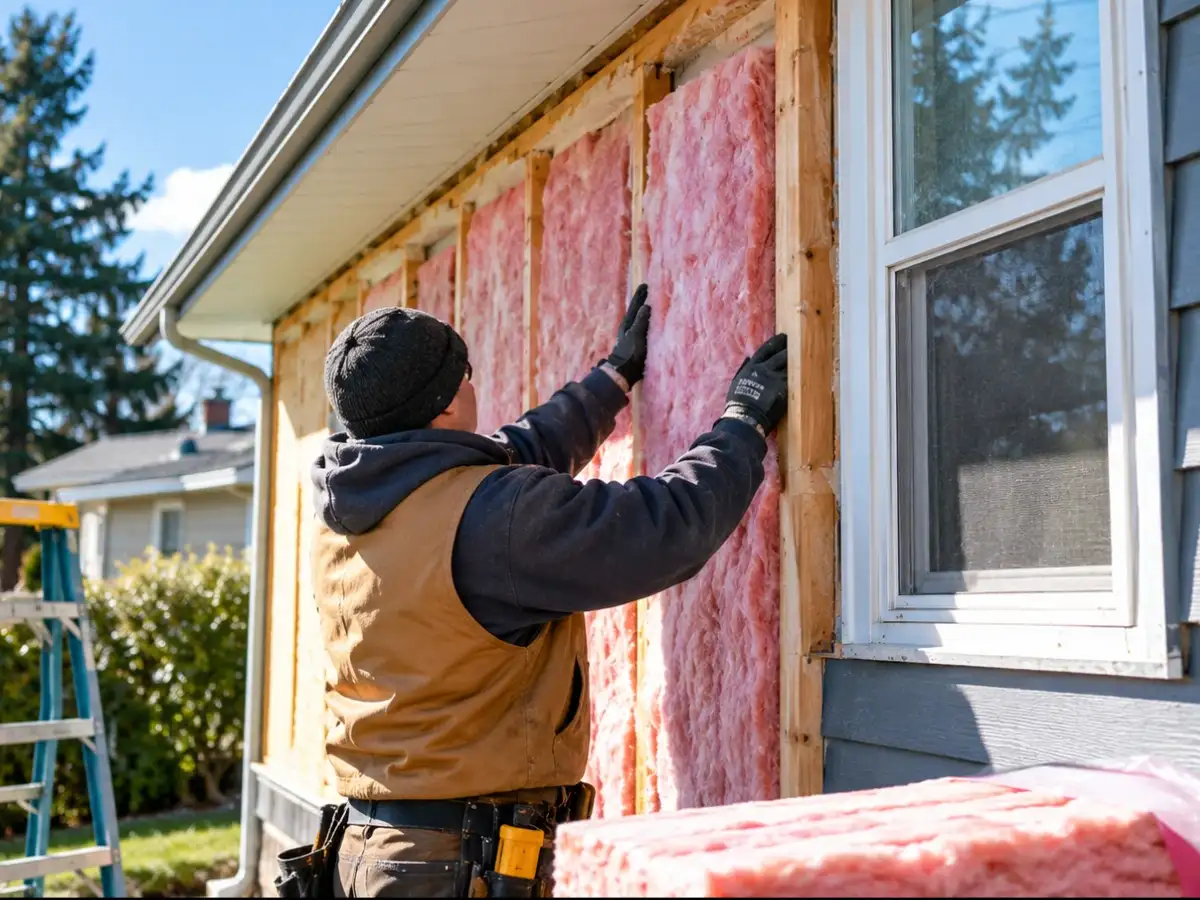
Heat leaks through walls, gaps, and uninsulated ceilings all winter in an ordinary home, and in thousands of low-income houses across Washington State, that leak was quietly costing families money every month. Then something changed. During the period from July 2009 through June 2010, local agencies weatherized 7,474 low-income houses in the state by sealing leaks, insulating, and repairing faulty equipment that was slowly eating into their pocket each month. In an evaluation report compiled by the Washington State University Extension Energy Program for the Washington State Department of Commerce, it was found out that this resulted in savings of approximately $189 per year in energy bills for the household.

A program that has quietly run since 1977
This was not a one-off experiment. The Washington weatherization project for low-income households has been in operation since 1977 and receives some of its funding from the U.S. Department of Energy. In 2009, however, the weatherization project saw a tremendous increase in its funding thanks to stimulus funds provided under the American Recovery and Reinvestment Act. The additional funding allowed agencies to work at 2.7 times their usual pace compared with the 2000-2009 average and helped families who had been waiting for years. Most of these homes were heated by electricity, and many housed people over 60, people with disabilities, or children under six. In fact, the same report notes that more than half of the households served included someone from one of these groups.

Where did the savings actually come from

Heat escapes through gaps, thin walls, and uninsulated ceilings and floors. Fixing them means that less heat will need to be generated in the first place. Researchers found that insulation and other measures that sealed the building envelope accounted for nearly 70 percent of all energy savings. The biggest difference was just the floor and ceiling insulation. Single-family homes saved the most, close to $389 a year on average, followed by the smaller apartments, which saved around $89 a year, as they lost less heat due to less wall and roof space. Since apartments made up a larger share of the 7,474 homes weatherized than single-family houses did, this uneven mix is what produces the lower $189 blended average across the whole program — the total yearly savings for these households added up to $1.4 million.

Sign up to read this article
Read news from 100's of titles, curated specifically for you.
Already a member? Sign in here
Related Stories
Top stories on inkl right now
One subscription that gives you access to news from hundreds of sites
Already a member? Sign in here
Our Picks
Fourteen days free
Download the app
One app. One membership.
100+ trusted global sources.