
Get all your news in one place.
100’s of premium titles.
One app.
Start reading
Kiplinger
Kiplinger
Business
Kathryn Pomroy

The 11 Best National Parks to Visit in Retirement

(Image credit: Getty Images)

Surrounded by the buzz of city living, it's easy to overlook the more than 60 national parks just a short drive away, no matter your location.

Yet with more than 84 million acres of U.S. protected land, 63 national parks, 84 national monuments, 74 historical sites, 61 national historical parks, 31 national memorials, and 12 more categories of protected sites, nature is always within reach.

For retirees, the national park system offers dozens of ways to stay active, regardless of your interests. From flat, scenic trails to convenient shuttle buses, most parks are designed with accessibility in mind, ensuring everyone can enjoy the outdoors at their own pace.

Whether you get a kick out of birdwatching, gentle hikes, steep mountain climbs or guided tours, there are sites and wonders just waiting to be discovered.

Eligible travelers can take advantage of discounted entrance fees and passes, making these adventures easily within your grasp.

With 63 National Parks and more than 84 million acres of protected land, your next unforgettable experience is just a short trip away. What are you waiting for?

Tips for visiting a National Park

(Image credit: Getty Images)

The key to enjoying your visit is planning ahead. Many parks are busy all year, and they fill up fast. If you're restricted to visiting during the busy season, book your accommodations well in advance.

For information on each park’s schedule, available accommodations, accessibility services and more, visit each park’s page on the National Park's Service - NPS website.

In addition to researching online, stop by the park's visitors center first before venturing out. The staff are great sources of information. You’ll likely also find guidebooks, maps and pamphlets that provide the history and additional details about the park.

America the Beautiful Senior Pass

(Image credit: Getty Images)

The Senior Lifetime Pass is a lifetime pass to every site in the park system for only $80 (plus tax). It's available to U.S. citizens and permanent residents age 62 and older. There's also a Senior Annual Pass for $20 (plus fees) per year.

The Senior Pass covers walk-in entrance fees and the vehicle entrance fee for you and all your passengers, no matter their age. If your party has a second car, the entrance fee for that car is not covered by the Pass.

You can obtain the pass at any of the parks or purchase it online through the NPS website.

Other National Park passes available:

  • Military pass. Free entrance for active U.S. military, and free lifetime pass for U.S. veterans and Gold Star families.
  • Access pass. Free lifetime pass for U.S. citizens or permanent residents with disabilities.
  • Non-residents pass: Starting January 1, 2026, a $100 per-person nonresident fee (on top of the regular entrance fee) applies to non-U.S. residents aged 16 and older at 11 of the most-visited national parks, unless you have a valid America the Beautiful Annual Pass (which costs $250 for non-residents vs. $80 for U.S. residents).

The eleven best National Parks for retirees

No matter where you live, a National Park is very likely a short drive away.

1. Yellowstone National Park

Old Faithful Geyser erupting in Yellowstone National Park (Image credit: Getty Images)

Yellowstone National Park covers an area of approximately 3,468 square miles and is primarily located in the northwest corner of Wyoming, with small portions extending into Montana and Idaho. It was the first national park in the U.S., established in 1872.

It also has more than half of the world's active geysers, along with sulfur pools and salt flats. You won’t want to miss Old Faithful — erupting every 45 minutes to two hours around the clock. If that’s not your first choice, there are grizzlies, black bears, bobcats, and more than 60 other species of mammals in the park.

Tips for visiting. Yellowstone is not open year-round, opening typically in late April and closing in September due to snowfall. When open, park entrances are not gated at night and visitors might enter and exit the park 24 hours a day, seven days a week.

For retirees who would rather not drive the winding roads, there are several approved bus companies offering service in the park. Yellowstone National Park Lodges operates nine lodges, but make reservations early

Fees. Standard pass: $20 to $35. Annual pass: $70. If you already have an America the Beautiful — the National Parks and Federal Recreational Lands Pass, you’re all set.

2. Zion National Park

Zion National Park (Image credit: Getty Images)

Located on State Route 9 in southwest Utah, Zion National Park was once named Mukuntuweap National Monument. It was so hard to pronounce that it was later renamed to Zion.

The park itself has something for everyone, from challenging climbs for the adventurous hiker to easy hikes that lead to waterfalls and sandstone cliffs. Bring your camera as the scenery is spectacular.

Tips for visiting. If you have mobility issues, you might be granted an exception, as private vehicles are discouraged in the park.

The park is open year-round, and during the shuttle season (depending on weather conditions), you can't drive your personal vehicle on the Zion Canyon Scenic Drive.

Shuttles arrive about every 10 to 15 minutes on the Springdale Line (outside the park) and about every 5 to 10 minutes on the Zion Canyon Line (inside the park). No ticket, permit or reservation is needed to ride the park shuttle or enter Zion National Park.

Fees. Standard pass: $20 to $35. Annual Pass: $70. If you already have an America the Beautiful — the National Parks and Federal Recreational Lands Pass, that's the only entrance pass you need.

3. Grand Canyon National Park

Boaters at Grand Canyon National Park (Image credit: Getty Images)

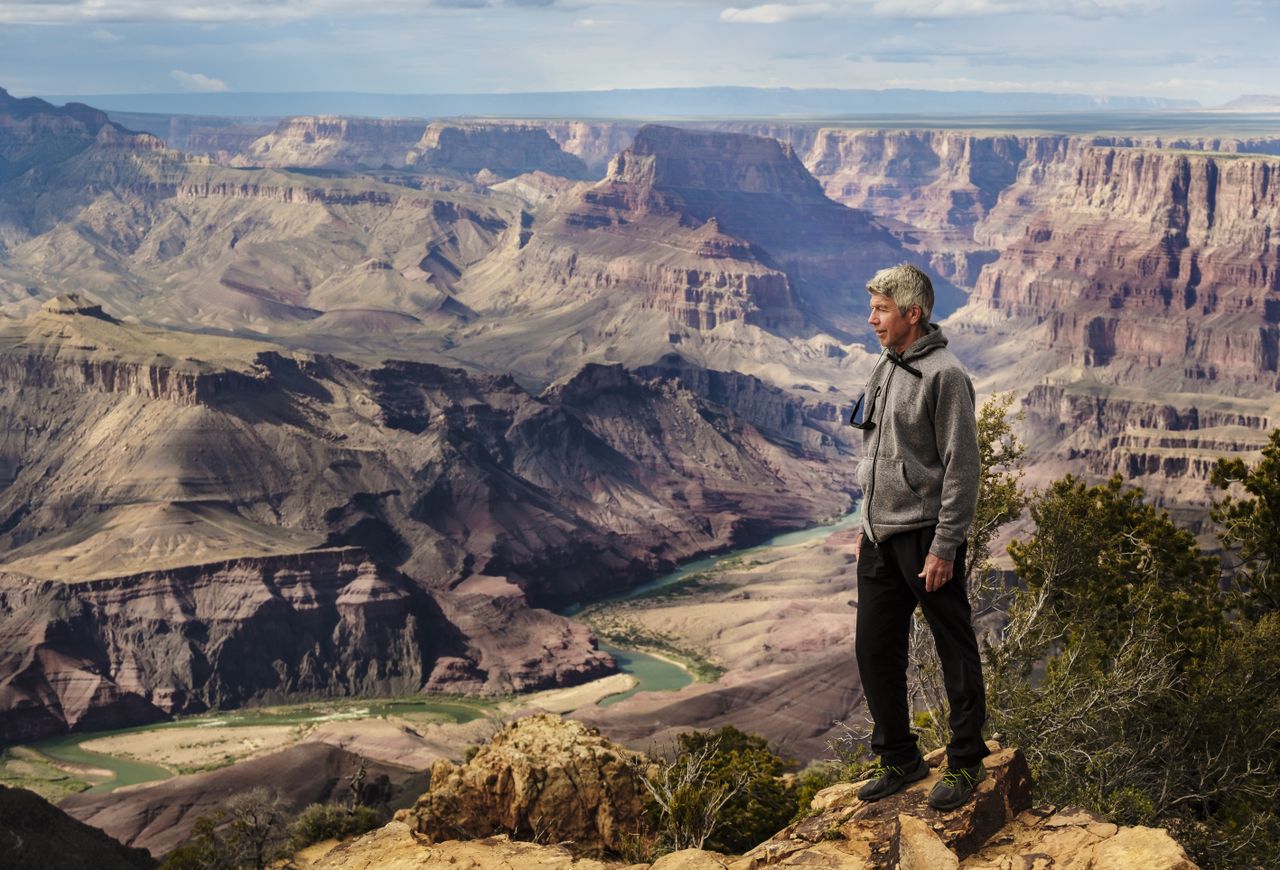
Grand Canyon National Park in northern Arizona is one of the Seven Natural Wonders of the World — and rightly so.

Carved over millions of years from the Colorado River, the Grand Canyon is an extraordinary sight that every retiree should see at least once. The canyon is 277 miles in length, 18 miles wide, and in some areas, more than one mile in depth.

Although the trails into the canyon are inaccessible to people with mobility issues, many viewpoints along the rim make this park worth visiting. The canyon offers hiking, mule rides, whitewater rafting, birdwatching, and so much more.

If you’re camping, reservations are highly recommended. Find more information about camping on the south rim (open all year long).

Tips for visiting. The Grand Canyon, restaurants and accommodations are all accessible via wheelchair. However, the trails are not accessible to people with mobility issues.

Visitation to the Grand Canyon is highest during March and April, Memorial Day to Labor Day, and during all major holiday weeks. Plan to enter the park on a weekday, as weekends can be busier. If visiting during high visitation, arrive at an entrance station either before 10 am or after 2 pm. This will minimize your chances of long wait times to enter the park.

Fees. Standard entrance passes: $20 to $35. Admission to Grand Canyon National Park is for seven days and includes both the South Rim and the North Rim (check accessibility due to 2025 fires). No cash is accepted at the park's three entrance stations; credit/debit cards only. You can also buy your pass online.

If you already have an America the Beautiful Pass, you’re good to go.

4. Yosemite National Park

Yosemite National Park (Image credit: Getty Images)

Although known for its waterfalls (three of the 10 highest in the world), within Yosemite’s nearly 1,200 square miles, you can find rolling meadows, deep valleys, giant sequoias, a vast wilderness area and much more. The iconic Half Dome of El Capitan is a must-see.

Located in Northern California's Sierra Nevada Mountains, Yosemite is open all year, although some areas of the park are inaccessible by car from approximately November to May due to snow. Yosemite becomes very busy during peak times of the year, so make reservations early if you plan to visit.

Tips for visiting. Bus service is available to Yosemite Valley from many cities in California and beyond. Shuttle buses also operate within the park. If you plan to drive, you might find yourself stuck in traffic, waiting at the entrance or unable to find parking, so plan accordingly.

Lodging options range from tent cabins to deluxe rooms at The Ahwahnee. Visit the Yosemite Hospitality (Aramark) website for full descriptions, prices and online reservations.

Fees. Park entrance fee: $20 year-round. Standard entrance vehicle passes: $20 to $35. Annual Pass: $70. If you already have an America the Beautiful Pass, you’re good to go.

5. Rocky Mountain National Park

Rocky Mountain National Park (Image credit: Getty Images)

Rocky Mountain National Park in Colorado has some of the most picturesque topography in the U.S. It is also one of the most popular national parks for seeing wildlife such as black bears, Bighorn sheep, mountain lions and more than 260 recorded species of birds.

The park is less than two hours from Denver, between the towns of Estes Park and Grand Lake. Lodging in nearby Estes Park is expensive and fills up quickly, so plan ahead. The town of Boulder has less expensive accommodations, but that can change, depending on the time of year.

Tips for visiting. Admission to the park is through a timed entry from the end of May through October. Book your entry ahead of time. Because weather conditions can change rapidly at higher elevations, you should be prepared to adjust travel plans at any time.

You're also encouraged to call the park’s Trail Ridge Road recorded status phone line at (970) 586-1222 if you’re planning to drive. The roads can also be tricky, with many twists and turns, so consider using the park's free shuttle bus to reach popular destinations instead.

Fees. A valid entrance fee or park pass is always required to enter Rocky Mountain National Park, 24 hours a day, 7 days a week. Standard Entrance Passes: $20 - $35. This park does not accept cash.

If you have your America the Beautiful Pass, you’re all set.

6. Great Smoky Mountains National Park

John Cable Grist Mill in Great Smoky Mountains National Park (Image credit: Getty Images)

The Great Smoky Mountains National Park straddles the border between North Carolina and Tennessee and is renowned for having some of the oldest mountains in the world. It is one of the most visited national parks in the U.S., with more than 11 million visitors annually on average.

If you love animals, there are plenty of animals that call the park home, from river otters to elk and black bears. You never know which animals you might spot on your trip.

You‘ll also find early homesteads and properties left behind from centuries ago. However, many are not accessible to wheelchair users.

Tips for visiting. The park is open year-round, though roads might be closed seasonally. There is no entrance fee for this park. Finding parking can be stressful in the park, so enjoy a shuttle ride from local communities to park destinations instead. Most shuttle services run from March through October.

There are no motels or rental cabins located within the park, except for Le Conte Lodge, which can only be reached by hiking. Reservations are required.

Fees. The Great Smoky Mountains National Park does not charge an entrance fee.

If you are driving your personal vehicle, you'll need to purchase a parking tag, which can be obtained online before your visit or in person at the park. Daily tag: $5, weekly tag: $15; or annual tag: $40.

Vehicles displaying state-issued disabled placards or license plates are exempt from purchasing a parking tag.

7. Acadia National Park

Acadia National Park (Image credit: Getty Images)

Acadia National Park is located on Mount Desert Island near the town of Bar Harbor, Maine. The park is beautiful, with the highest rocky headlands on the Atlantic coast.

The park encompasses nearly 50,000 acres along the Atlantic Coastline, 33 miles of scenic roads and more than 150 miles of hiking trails. You’ll find sandy beaches, lighthouses, wildlife and awe-inspiring ocean cliffs to enjoy.

Best time to visit? In the fall, when the leaves have changed into stunning new colors. The east side of Mount Desert Island is the most visited area of Acadia. The 27-mile Park Loop Road offers outstanding views and access to popular spots.

Tips for visiting. Acadia National Park is open year-round. Because parking is limited, use the free, wheelchair-accessible Island Explorer shuttle buses to travel to popular park destinations.

There are three main campgrounds in the park, but no hotels or other lodging. Additionally, the Jordan Pond House is the only restaurant in Acadia National Park.

Fees. All visitors to Acadia National Park are required to have and display a park entrance pass. Standard entrance pass: $20 to $35.

If you have your America the Beautiful Pass, you’re all set.

8. Everglades National Park

Everglades National Park (Image credit: Getty Images)

The Everglades is the largest subtropical wilderness in the U.S. It's also one of the most accessible parks in the National Park system.

There are many ways to enjoy the park, via a guided tour, narrated tram tours, on an airboat tour or guided 90-minute boat tours. You can birdwatch, fish, go kayaking, biking and camping.

There are various accommodations within Everglades National Park. You can stay overnight at the newly opened Flamingo Lodge, cozy up in fully equipped houseboats, relax in a winter or summer glamping tent, or pitch a tent in one of the two campgrounds.

Tips for visiting. Travel is recommended during the dry season (December through April), as the mosquito population is less prevalent during this time.

Fees. All visitors must have an entrance pass. Please note the park doesn't accept cash. Standard entrance pass: $20 to $35. If you have your America the Beautiful Pass, you’re all set.

9. Glacier National Park

(Image credit: Getty Images)

The earliest known mention of the park’s name is found in a 1906 conversation between George Bird Grinnell and glacial geologist, François E. Matthes, when he wrote, “the park proposed would contain roughly 1500 sq. miles, containing upward of 50 ice-bodies and over 200 lakes. It might fitly be called Glacier Park."

Since then, a showcase of melting glaciers, alpine meadows, carved valleys, and spectacular lakes has made Glacier National Park, located in northwestern Montana, a must-see for millions (yes, millions) of people each year.

With over 700 miles of trails, Glacier is a paradise for adventurous visitors of all ages. Relive the days of old through historic chalets, lodges, and the famous Going-to-the-Sun Road.

Tips for visiting. May through September is the busiest part of the year, with about three million people visiting during each summer season. The parking areas at popular destinations, like Logan Pass and Avalanche Creek, begin filling up before sunrise and remain crowded for most of the day. Be prepared to spend time looking for an available parking spot, or better yet, visit during the off-season. It's just as beautiful and a lot less crowded.

Fees. All visitors must have an entrance pass. Please note the park doesn't accept cash. Standard entrance pass: $20 to $35. If you have a Standard, Annual, or America the Beautiful Pass, you’re all set.

10. Olympic National Park

(Image credit: free content)

Washington's Olympic National Park has something for everyone. From towering 1,000-year-old trees that stand guard over America's finest tract of old-growth rainforest, to lakes, dirt-worn trails, tide pools, archaeological sites, and sea stacks, this park has it all. With 922,651 acres, diversity is the hallmark of Olympic National Park.

For all you dog owners, you'll be happy to know that, unlike some National Parks, dogs are welcome as long as you follow the rules. The park is open 24 hours a day, year-round, although some roads, campgrounds and facilities are only open seasonally due to weather. So plan ahead.

Tips for visiting. The weather in Olympic is unpredictable, no matter the time of year. It is common for different weather conditions to exist within the park at the same time. Even in the summer, temperatures may vary by 10-20 degrees, especially along the coast and in higher elevations. Always check the current weather forecast or call the park's weather hotline at 360-565-3131 before your visit.

Summers tend to be fair and warm, but snowfall during the winter months can be heavy in the mountains. At any time of year, visitors should come prepared for a variety of conditions.

Fees. All visitors must have an entrance pass. The Annual Park Pass is $55.00, and other fees vary depending on the type of vehicle you're driving. Please note the park doesn't accept cash. If you have an America the Beautiful Pass, you’re good to go.

11. Grand Teton National Park

(Image credit: free content)

Grand Teton National Park is located just ten miles south of Yellowstone National Park in north-west Wyoming. From hiking and fishing to biking, boating and wildlife viewing, there is no shortage of things to do for adventurous retirees.

The park offers more than 1,000 drive-in campsites and over 200 miles of hiking trails. If you love fishing, the park is also noted for world-renowned trout fishing, and one of the few places to catch Snake River fine-spotted cutthroat trout.

Grand Teton has several National Park Service–run visitor centers and privately operated motels, lodges, gas stations and marinas. And because it is located within easy access to Yellowstone, the park hosts more than 3,600,000 visits each year, so plan ahead.

Tips for visiting. Grand Teton National Park is open 24 hours, year-round. The most popular months to visit are May through September. During the busy summer season, most roads and facilities are open, and a full range of programs are available to enjoy. Keep in mind that from November through April, some roads, all campgrounds, and most visitor facilities are closed or have reduced hours.

Summers tend to be fair and warm, but snowfall during the winter months can be heavy in the mountains.

Fees. All visitors must have an entrance pass. You may enter the park with a Standard, Annual, or America the Beautiful Pass. The fee for a Standard entrance pass is $20.00–$35.00.

More National Parks to visit

With more than 60 National Parks in the U.S., you’ll want to plan to visit as many as possible. Here are several more must-see parks to add to your bucket list.

Mammoth Cave National Park located in south-central Kentucky, north/east of Bowling Green.

Arches National Park located in eastern Utah, adjacent to the Colorado River.

Bryce Canyon National Parklocated in southwestern Utah, near the city of Bryce.

Mesa Verde National Park — located in Montezuma County, Colorado, near the town of Cortez.

Mount Rainier National Park — located in southeast Pierce County and northeast Lewis County in Washington state.

Denali National Park — located in Alaska, centered on Denali (federally designated as Mount McKinley).

Carlsbad Caverns National Park — tucked in the Guadalupe Mountains of southeastern New Mexico.

Big Bend National Park — stretches across West Texas and covers the Chisos Mountain range and part of the Chihuahuan Desert.

Shenandoah National Park — just 75 miles from the bustle of Washington, D.C.

For more information on each Park, visit the National Park Service website.

Related Content

Sign up to read this article
Read news from 100’s of titles, curated specifically for you.
Already a member? Sign in here
Related Stories
Top stories on inkl right now
Our Picks
Fourteen days free
Download the app
One app. One membership.
100+ trusted global sources.