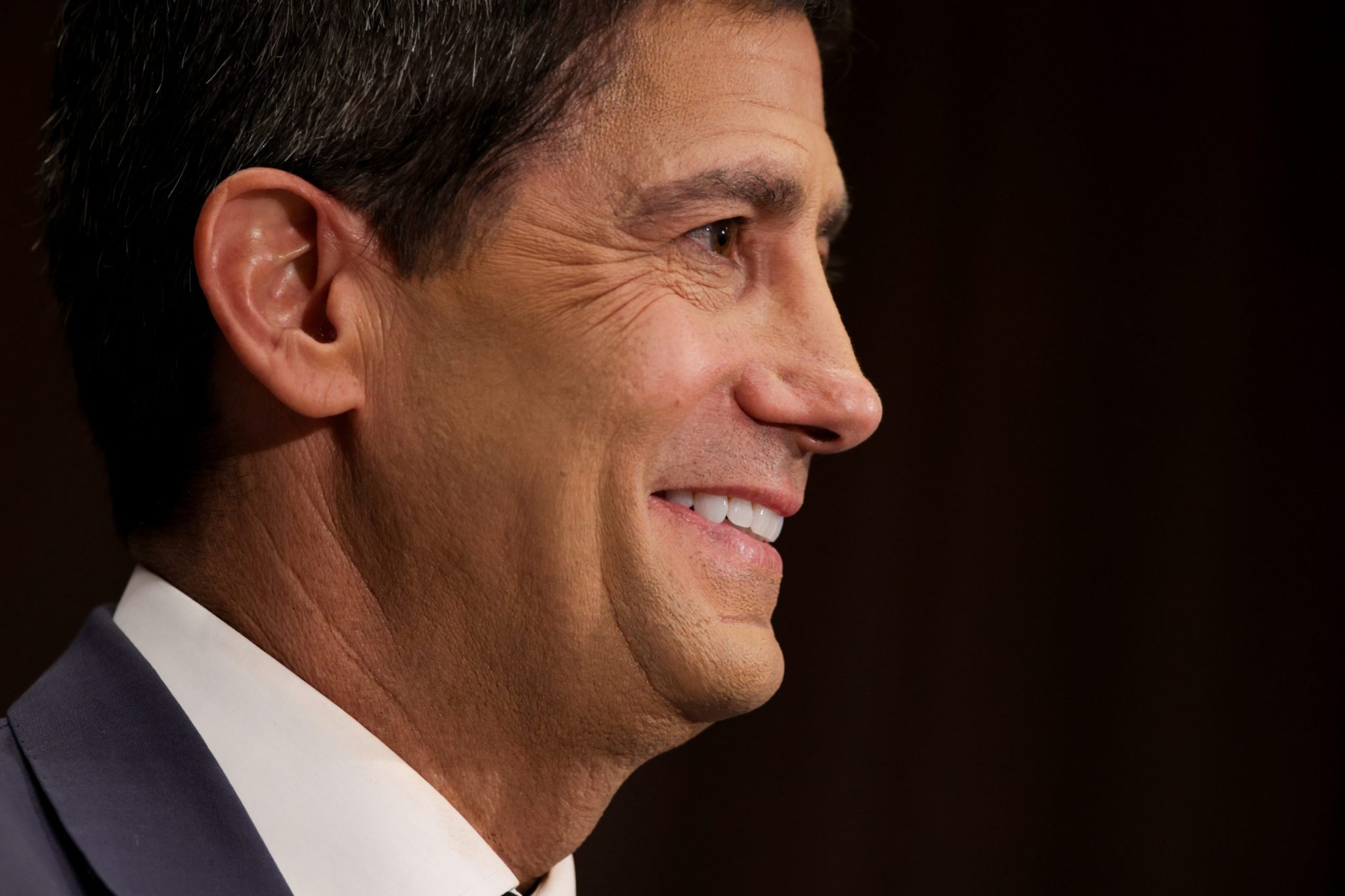
All eyes are on Kevin Warsh, and for good reason.
Incoming Fed chairman takes over the central bank at a pivotal moment: AI is estimated to reshape the economy as we know it (for better or worse, depending on who you ask), geopolitical tensions are rising, and consumers are hollering for relief from the cost of living.
There’s also the small matter of national debt—the interest on which is influenced, in part, by the U.S. Federal Reserve.
The lines drawn in the sand by politicians during his Senate Banking Committee hearing were clear: There was little Warsh could do to deter Republicans from backing his nomination, there was virtually nothing he could say to convince the Democrats.
Wall Street can afford to be a little more discerning: There may be aspects of Warsh’s policy stance that benefit investors, while other behavior might leave analysts feeling a little spooked.