Get all your news in one place.
100’s of premium titles.
One app.
Start reading
The Times of India
The Times of India
Lifestyle
etimes.in

Walking medical mystery: The man who is living with no aorta

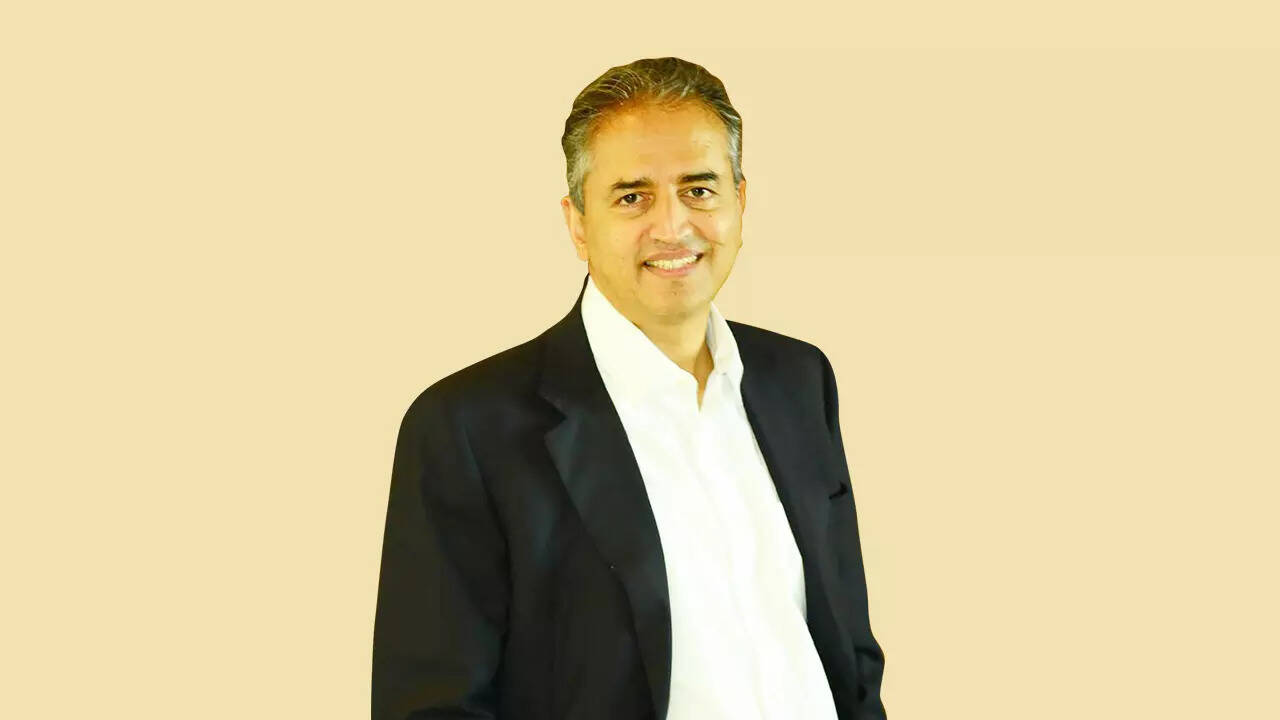
Dr Devi Prasad ShettyOne of my patients has unusually long arms, legs and fingers, along with a strikingly tall and thin physique. He suffers from Marfan syndrome, a rare genetic disorder affecting the body’s connective tissue.

Over my 45-year-long practice as a cardiac surgeon, I have operated on two generations of people belonging to the same family who have this syndrome. Likely to be passed down multiple generations if either parent has it, the syndrome can be fatal as it makes the aorta — the largest artery in the body—vulnerable.

More than a foot long and an inch wide at its widest, the aorta is a pulsating pipe that supplies oxygen-rich blood from the heart to the brain, stomach, liver, kidneys, and legs under high pressure. Imagine a tube created by wrapping three pieces of paper together. That’s what it looks like. The aorta wall is made up of three layers of tissue. In people with Marfan syndrome, the glue that holds these three layers together is weak. The condition can cause the aorta to expand abnormally under pressure, leading to aneurysms. When the aorta’s strength fails, it may rupture internally, causing blood to seep between its layers and further weakening it — one of the reasons for sudden cardiac deaths.

"Remarkably, my patient has managed to live a fully functional life despite multiple surgeries that fully replaced his aorta. He has a successful career and is married with children. The case spells hope for thousands of people who are born with Marfan syndrome-Dr Devi Prasad Shetty"

I don’t think there are many people in the world living without an aorta, which makes this patient of mine with Marfan syndrome a walking medical mystery. Over the last 26 years, he has undergone five major surgeries on different parts of the aorta spanning head to tummy. He was in school when an aneurysm of ascending aorta near his heart was removed and in college when his descending thoracic aorta was replaced. I was working at Manipal Heart Foundation then. Later, I moved to Narayana Hrudayalaya — now known as Narayana Health —where he dropped in to fix his leaking heart valve. He kept coming back for more procedures, including a crucial surgery to replace the arch of his aorta where all the brain arteries emerge.

Remarkably, he has managed to live a fully functional life despite multiple surgeries that fully replaced his aorta. He is married and has children. He had a successful career when I last heard about him. The case spells hope for thousands of people who are born with Marfan syndrome. It suggests that the aorta — although an essential blood vessel — might be dispensable for an active life.

While the brain, liver and kidneys have many intelligent functions, the aorta functions as a conduit. Most of its mechanical functions as the body’s key artery supplying blood can be replicated by a synthetic tube. The rest of the body can compensate for its lack of intelligent functions. Which is why every time the patient returned to the operation theatre, it was a pleasant surprise. His resilience provides a fresh perspective on the complexity of the human body.

Dr Shetty is Chairman and Founder, Narayana Health, BengaluruMini P Thomas

Sign up to read this article
Read news from 100’s of titles, curated specifically for you.
Already a member? Sign in here
Related Stories
Top stories on inkl right now
One subscription that gives you access to news from hundreds of sites
Already a member? Sign in here
Our Picks
Fourteen days free
Download the app
One app. One membership.
100+ trusted global sources.