
Get all your news in one place.
100’s of premium titles.
One app.
Start reading
Livingetc
Livingetc
Amiya Baratan

Wait, There's a Type of Japanese Feng Shui? This Is How 'Fusui' Is Different and the Lessons to Learn From It

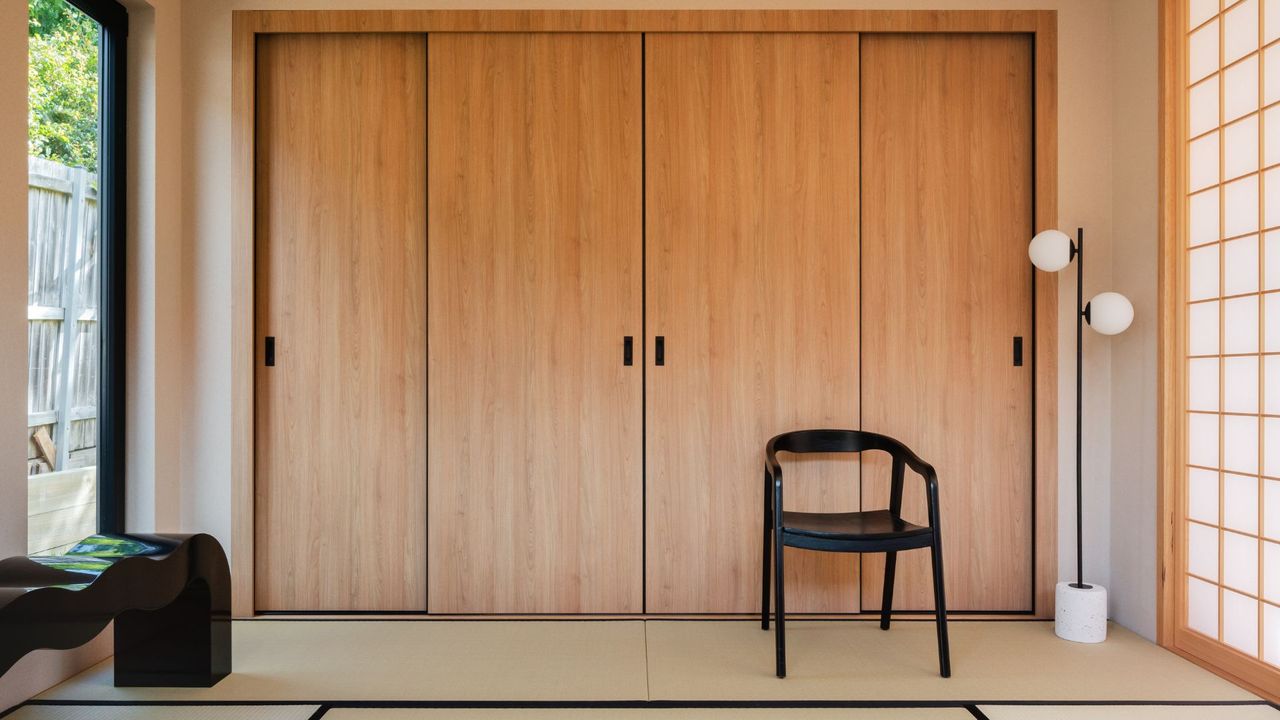
A bright living area with wood sliding doors, a black chair, a black wavy bench, a standing floor lamp, and a set of mats with black trim.

All Japan-inspired homes tend to feel calm the moment you set foot inside. From the palette to the textures, and even the flow of the space, it's somewhat of a cozy embrace that cocoons you from the world outside. This is where the Japanese iteration of Feng Shui, 'Fusui', comes in.

Similar to Japanese design principles, Fusui, at its core, is about creating a home that feels balanced and harmonious. Concepts like maintaining a tidy entryway, prioritizing 'water zones', considering ventilation, and purifying your space with intention are the pillars of Fusui.

Now, let's understand this energy-led philosophy under a deeper lens and how to impart some of its lessons in your own living spaces.

What Is Fusui?

Take a note from Japanese homes by imparting lessons from Fusui for free-flowing energy. (Image credit: Kate Bowman Photography. Design: Northern Edge Studio)

Maiko Shizumaki, wellness expert and founder of Revitalist15, tells me that Fusui is the Japanese adaptation of Chinese Feng Shui. "Over centuries, Feng Shui philosophies were blended with Shinto and Buddhist influences, local beliefs, and practical common sense," she says.

"Fusui is less of something that's formally practiced and more of a subtle framework that has woven itself into the fabric of everyday life in Japan. While Feng Shui often begins with a formal reading and focuses on bringing fortune through specific placements and objects, Fusui is centered around creating flow and harmony through everyday habits."

She explains that if Feng Shui is optimization, Fusui is alignment.

Principles of Fusui

When you think of a quintessential Japanese home designed for wellness, you'll likely visualize tatami mats, rooms flooded with light, minimalist colors, and natural textures. Now let's go beyond these aesthetic aspects and look at some principles of Fusui that allow these design elements to truly shine.

1. Clutter-Free Entryways

Since the entryway is the mouth of your home, it needs to be free from clutter to let positive energy through. (Image credit: Nicholas Caldwell. Design: Matters + Made Architecture: Couvaras Architects)

If you're familiar with entryway Feng Shui, then you're probably no stranger to this rule of Fusui. "The entryway is where energy enters the home and should be kept clean and clutter-free," says Maiko.

"Clutter is believed to obstruct the flow of positive energy. Keep shoes, coats, and umbrellas organized and out of sight. I also recommend vacuuming and mopping frequently, as dirt and debris from outside tend to accumulate here."

Additionally, Maiko points out that a bright entryway supports good energy flow. So, if natural light is limited, she recommends incorporating warm and ample entryway lighting.

2. Tidy 'Water Zones'

Paying attention the rooms in your home with a focus on water is a key principle of Fusui. (Image credit: Raphael Thibodeau. Design: Atelier Paradis)

"There is a Japanese term, 'mizumawari', which refers to water areas such as the kitchen, bathroom, and bathing spaces. In Fusui, these water zones are considered vulnerable because stagnant moisture can attract negative energy," says Maiko.

"Maintaining cleanliness in these rooms is essential for energetic balance and physical health. Clean sinks, bathtubs, toilets, and shower areas regularly to prevent mold and mildew, which can amplify negative energy."

She also suggests keeping toilet lids closed when not in use to prevent negative energy from flowing out. Adopting other bathroom cleaning hacks to maintain these principal spaces will also help you welcome good energy.

3. Thorough Ventilation

Letting your home breathe is another healthy way to let Fusui influence your space. (Image credit: Katherine Lu. Design: Sandbox Studio. Stylist: Megan Morton)

A common element in most Japanese homes is an airiness. It lends to the overall zen ambiance of the space. However, Maiko explains that there's a deeper meaning, too. "In Fusui, the movement of air is the movement of energy itself," she says.

"I recommend opening your windows every day to allow fresh air in and release stagnant energy. Be mindful of closed spaces like closets and cabinets, and open them periodically to allow circulation."

She also warns against placing large furniture in front of windows as it can block the natural flow of energy. And the act of ventilating your home applies regardless of the season outside. So, it's important to know how often to open your windows in the winter, too.

4. Mindful Purification

In Japan, cleaning with intention is key to the practice of Fusui. (Image credit: Anna Stathaki. Design: Yoko Kloeden)

"The act of cleaning represents purification and is taught from a very young age in Japan. In many schools, students clean the classroom as a part of their daily routine, reinforcing respect for shared spaces," says Maiko.

"Simple acts such as dusting, wiping down surfaces, bathing before bed, or keeping bedding fresh reflect the belief that cleanliness in any aspect of your life supports energetic clarity."

Following the Japanese cleaning philosophy will help you bring this sense of discipline into your own home, so good energy will follow.


Since Fusui, in large part, is about the clean ambiance of your home, I recommend trying the Japanese art of Oosouji next. And if you're keen to learn more about other design principles from across the map, sign up for our newsletter so it lands right in your inbox.

Sign up to read this article
Read news from 100’s of titles, curated specifically for you.
Already a member? Sign in here
Related Stories
Top stories on inkl right now
One subscription that gives you access to news from hundreds of sites
Already a member? Sign in here
Our Picks
Fourteen days free
Download the app
One app. One membership.
100+ trusted global sources.