
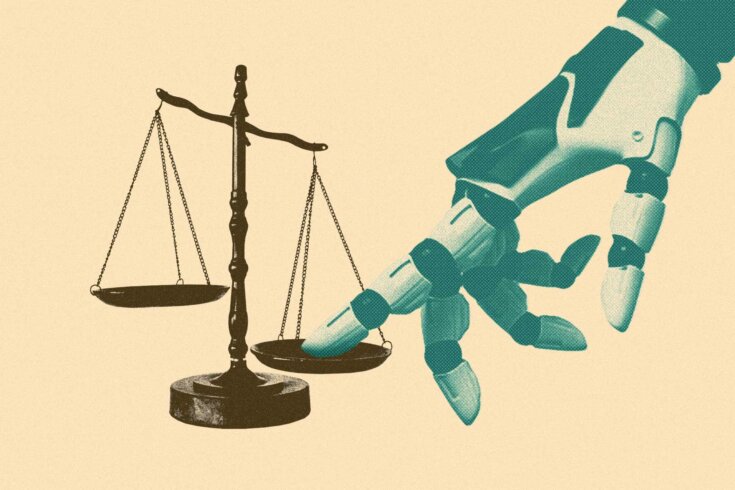
“Machines seek no public policy purpose, and there is no public benefit in replacing artists with them as content creators.” This warning came in June, from the Writers Guild of Canada, which represents around 2,500 English-language screenwriters working across TV, film, digital media, and radio. In a letter to the ministers of heritage and innovation, science, and industry, the WGC insisted that the government play “a leading role” in protecting the economic interests of Canadian creators from the threat of generative AI.
Generative AI, of course, refers to that subset of artificial intelligence that can generate video, images, music, and text. It’s the technology behind the breakout hit ChatGPT, a tool that answers questions using natural, human-like language and can simulate writing styles. Thanks to its broad utility, generative AI promises to become foundational for new services and economies. The technology has also sparked controversy and legal challenges. Artists and creators have been the most vocal, but the debate is also drawing in other industries concerned with how automation will reshape society.