- Volvo plans to bring more physical controls back to its future cars after complaints about touchscreen-heavy interiors.
- Design boss Thomas Ingenlath says the company wants a better balance between physical buttons and digital controls.
- Volvo is also planning a major lineup revamp, with 13 new models due globally by the end of 2030, and not all will be SUVs.
Volvo has heard you. After years of embracing the touchscreen-everything philosophy, the Swedish automaker is admitting that putting nearly every function behind a display may not have been such a brilliant idea after all. Physical controls are coming back. Well, at least some of them, anyway.
Speaking during the Q&A session following the Strategy Update 2026 this week, the company's returning design boss said the goal is to rethink how drivers interact with their cars. The lack of physical controls is one of areas Thomas Ingenlath wants to address after returning to Volvo, with the company acknowledging that customers and journalists have become increasingly critical of screen-heavy interiors.

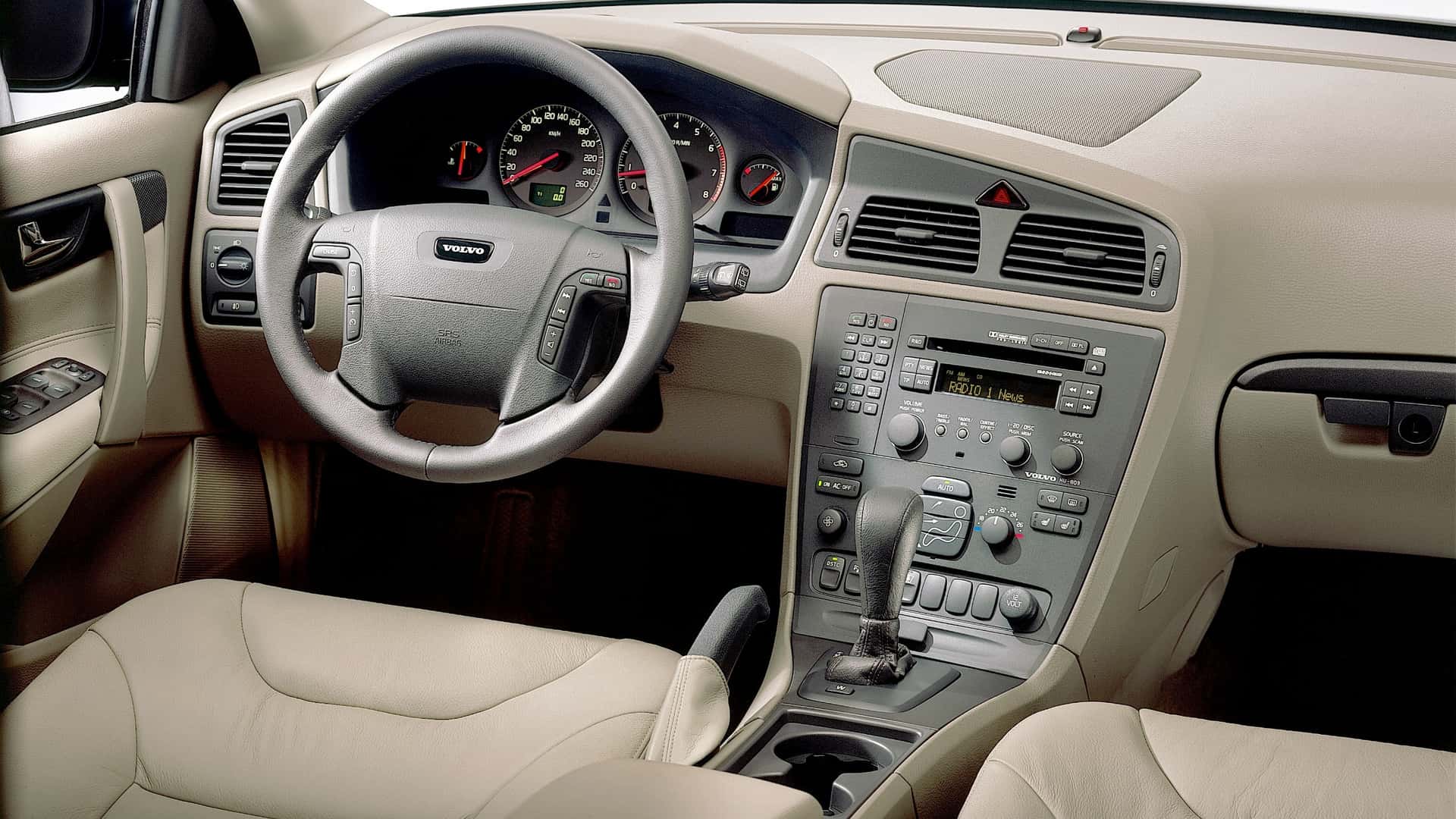
Don't expect a dashboard covered in dozens of switches, though. Ingenlath has specifically ruled out going back to the "rows and rows" of buttons found in some older cars like the 21-year-old XC90 below. Instead, Volvo wants to figure out what physical interaction can do better than a touchscreen, while leaving the display to handle what it's actually good at.
The Screen Stays, Joined By More Buttons
'We are not going away from touchscreen. We will use the touchscreen for what the touchscreen is good at. Any function that you display all the time on the screen should not be on the screen. For that reason, not everything is done well as a touchscreen. Use the touchscreen for what it’s good for. That’s why we are reintroducing a couple of more buttons than what we have in today’s cars.'
Ingenlath offered an interesting comparison: a classic Leica camera. The appeal isn't merely that you can physically operate it. It's the feel of the controls, the materials, the sound of a button clicking, and the fact that different functions can have different shapes and ways of operating. Volvo wants that kind of deliberate interaction in its cars.
That's a considerably more interesting approach than simply adding a few shortcut buttons below the screen. Think rotary controls where they make sense, switches with distinct shapes, and physical controls that feel like part of the car, not an afterthought. In Ingenlath's words, physical interaction should bring a sense of “premiumness."
The interior isn't the only thing getting a rethink. Ingenlath also wants Volvo to become more recognizable again, hinting at a fresh interpretation of the company's familiar front end. That could mean changes to the signature iron mark and the grille surrounding it as Volvo tries to carry its heritage into a new era.
Debuting in 2027, when Volvo celebrates its centenary, a new concept will preview what lies ahead for the Geely-owned brand in terms of design.
Motor1's Take: While Volvo isn't abandoning touchscreens, the company appears to have finally accepted that "everything on a screen" isn't necessarily the future. The idea is to use the display for what it's good at while restoring tactile controls for functions that benefit from them.
A little more tactile interaction, a little more design personality, and potentially a few properly low-slung cars like wagons alongside all those SUVs? Considering Volvo's 100th birthday is coming up, the timing couldn't be better.