Codecs and containers are two of the most confusing bits of jargon that modern videomakers have to try and they their heads around. So what do they mean, and what do they do - and which do you choose?
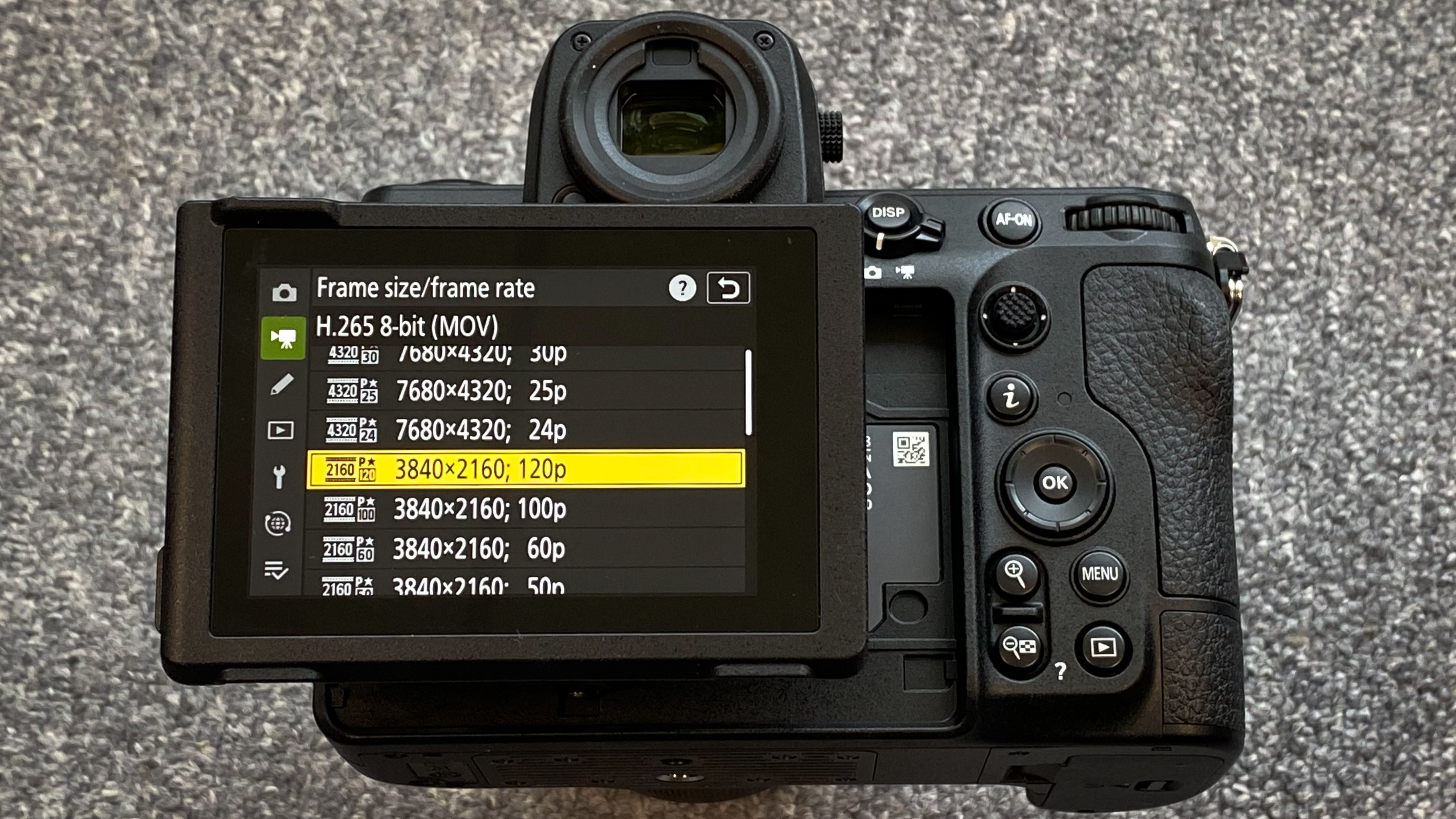
So let’s start with ‘codecs’. This is a contraction of video ‘coder’ and ‘encoder’. It’s the process of compressing and then decompressing video as it’s captured, edited and displayed. There are some key codecs in use right now, including H.264 (universally used, easy to view/edit), H.265 (more efficient compression but more processing overhead to view and edit) and Apple ProRes (higher, quality, higher end gear).
Now what’s confusing is that videographers will often debate the pros and cons of ‘shooting in H.264’ or ‘H.265’ as if these are file formats you can choose on the camera. They’re not. In fact, the file formats you choose on the camera are ‘containers’ because video is not the only thing you’re capturing. Your camera will also need to store audio and image metadata alongside the video, for example, and the file is the ‘container’ that all of these things are stored in.