Modern eCommerce isn’t just a battle of product quality or price—it’s a battle for emotional attention. In a digital world overflowing with choices, consumers don’t simply buy what they need; they buy what matches the vibe they’re seeking. This shift has led to the rise of vibe marketing, a mood-driven branding strategy focused on creating emotional and sensory experiences that resonate deeply with shoppers.
From color gradients that make a brand feel warm and inviting to product descriptions that sound like a conversation with a friend, vibe marketing is transforming how eCommerce brands tell stories, build trust, and inspire purchasing decisions. When done right, it can elevate customer perception, reduce friction, and significantly increase conversions.
This article explores what vibe marketing really is, why it works, and how eCommerce brands can use it to build stronger connections—and drive more revenue.
What Is Vibe Marketing?
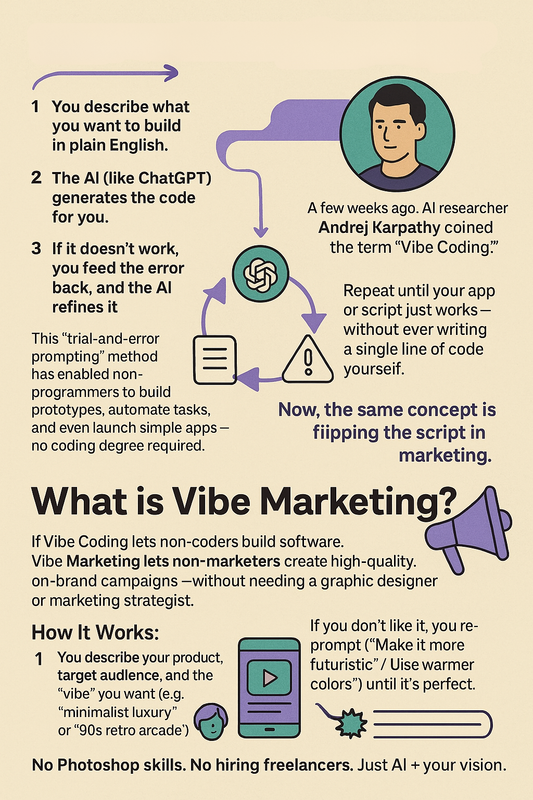
Vibe marketing is the practice of developing a brand identity, aesthetic, and messaging style built around the specific emotions you want customers to feel. Instead of focusing purely on features or price points, vibe-driven brands design their entire customer journey to evoke a consistent mood—whether that mood is calm, luxurious, playful, rebellious, cozy, minimalist, or anything in between.
It’s an evolution of traditional emotional branding, but with a more intentional aesthetic layer. In the era of TikTok trends, aesthetic micro-cultures, and mood-based consumer behavior, vibe marketing has become a powerful differentiator.
A vibe can be expressed through:
- Color palettes
- Typography
- Layout and UI style
- Social media tone
- Packaging design
- Sound or music selection
- Product photography
- Video editing style
- Influencer partnerships
- Microcopy (including product names and descriptions)
Essentially, vibe marketing asks: What should customers feel before, during, and after buying from you? And then—how can your branding deliver that feeling consistently?
Why Vibe Marketing Works in eCommerce
Emotions drive most online purchase decisions, with logic stepping in only after interest is already sparked. Vibe marketing taps into this instinctive part of the brain that handles desire, trust, and snap judgments. In a crowded digital environment, shoppers rely on emotional cues to decide what to click and buy. A strong vibe guides these quick decisions, helping customers feel aligned with a brand before they even think about product details.
Below are the core reasons vibe marketing works so effectively in modern eCommerce:
It Reduces Cognitive Load
When a brand’s visual language, tone, colors, and messaging all feel cohesive, the brain doesn’t have to work as hard to interpret what the brand stands for. This simplicity creates a sense of clarity and trust. Customers subconsciously prefer brands that feel intentional because consistency signals professionalism, reliability, and emotional safety. A clear vibe lets shoppers instantly understand what the brand represents without lengthy explanations.
It Creates Instant Differentiation
In saturated markets, vibe becomes a brand’s signature identity. A memorable emotional atmosphere helps customers recognize a brand within seconds, even without seeing the logo. Glossier feels soft, clean, and minimalistic; Liquid Death feels bold, rebellious, and irreverent. These brands don’t just sell products—they sell an emotional universe. A strong vibe transforms a brand from a commodity into a culture, making it stand out effortlessly.
It Builds Emotional Consistency
Customers return to brands that consistently make them feel a certain way: calm, inspired, confident, powerful, cozy, or bold. Emotional consistency creates brand memory: the psychological imprint that keeps shoppers coming back. When the vibe never breaks, customers form a stable relationship with the brand’s identity. That emotional baseline becomes part of their personal narrative and lifestyle, fostering loyalty.
It Increases Impulse Purchases
Most impulse purchases come from emotional excitement, not logic. A strong vibe heightens desire by creating a mood that matches the shopper’s aspirations or fantasies. When visuals, music, and tone amplify emotional intensity, hesitation fades. People buy because they feel something—joy, confidence, nostalgia, aspiration, or simple curiosity. In her work with eCommerce brands, Brandy Hastings, an SEO Strategist at SmartSites, notes that “Creating an emotional atmosphere consistently boosts on-the-spot buying decisions because shoppers respond instantly to the feelings a brand evokes.”
The Psychology Behind Mood-Driven Branding
Vibe marketing is rooted in core psychological principles that shape how customers think and behave. Color psychology plays a major role, as shades like blue, red, black, and green quickly communicate trust, urgency, luxury, or calm—helping brands like Starbucks, Tiffany & Co., and Supreme build instantly recognizable identities. Priming and association further strengthen this effect: when customers repeatedly encounter the same aesthetic cues, their brains build familiarity and trust, making future buying decisions faster and more intuitive.
Vibe marketing also taps into social identity theory, where people choose brands that reflect the identity they aspire to—whether that’s clean-girl minimalism, cottagecore softness, or modern streetwear energy. Finally, emotional contagion shapes how customers feel in the moment. Visuals, music, and tone transmit emotions that shoppers subconsciously mirror, meaning a calming, energetic, or romantic brand vibe becomes the emotional filter through which they experience the product.
How to Build a Vibe-Driven eCommerce Brand
Creating a vibe isn’t accidental—it’s strategic. Here’s how to do it step by step.
Define the Emotion You Want to Own
Start by defining the core emotion you want your brand to evoke. Consider what customers should feel when they interact with you, what desire or problem they have before buying, and which moods align with your mission and audience. A skincare brand might aim for calm and self-care, a fitness brand for confidence and empowerment, or a Gen Z lifestyle brand for fun and belonging. Once you identify this primary emotion, it becomes the foundation for your entire aesthetic and messaging.
Build a Coherent Visual Identity Around That Emotion
Build a visual identity that clearly reflects the emotion you want your brand to evoke. This includes your color palettes, typography, image style, product photography, social media look, and overall UI/UX theme. A calm brand may use natural tones, rounded shapes, and minimal textures, while an energetic one leans into bold colors, sharp contrasts, and dynamic movement. Whatever direction you choose, your visuals should feel unmistakably “you” across every platform.
Use Tone and Voice That Match the Mood
Copywriting is a crucial extension of your vibe. Consider:
- Should your tone be playful?
- Warm and nurturing?
- Direct and authoritative?
- Artful and poetic?
- Sarcastic and edgy?
Your microcopy, product descriptions, emails, and social captions should all reinforce the same emotional energy.
For example:
Playful brand voice:
“Say hello to the comfiest joggers you’ll ever own. Warning: you may never want to take them off.”
Minimal luxury voice:
“Crafted with intention. Designed to elevate your everyday ritual.”
Tone consistency builds trust and reinforces your aesthetic.
Design Product Pages for Mood, Not Just Information
Most product pages focus solely on features and specs. Vibe marketing introduces emotion through:
- Warm or moody product lighting
- Lifestyle photography
- Sensory and aspirational descriptions
- Texture-rich visuals
- Value-driven storytelling
Example:
Instead of writing:
“Made with durable vegan leather and waterproof lining.”
You write:
“Structured vegan leather that feels like a quiet luxury moment—finished with a waterproof lining so your essentials stay safe through every unexpected day.”
Customers aren’t just buying a product—they’re buying a feeling.
How Vibe Marketing Boosts Conversions
Vibe marketing is one of the most overlooked conversion drivers in e-commerce. Brands often focus on discounts and funnels, but emotional tone is what truly shapes behavior. The way a store feels—its sensory cues, atmosphere, and micro-interactions—creates a setting where shoppers feel safe, understood, and motivated to act. And that emotional alignment directly impacts real performance metrics.
Increases Time on Page
An immersive, consistent vibe keeps shoppers on-site longer without effort. Cohesive visuals, smooth transitions, and intentional design elements pull visitors deeper into the experience. Longer dwell times strongly correlate with higher conversions because people only buy when they feel engaged. When colors, typography, spacing, and imagery feel purposeful, browsing becomes enjoyable—turning curiosity into sustained attention.
Improves Add-to-Cart Rates
A strong vibe reduces hesitation by creating emotional confidence. When a brand feels modern, trustworthy, and aligned with a shopper’s identity, the add-to-cart barrier drops. The experience “just feels right,” lowering friction and increasing action. That sense of belonging—driven by aesthetic clarity and emotional resonance—is why brands with strong vibes consistently outperform competitors selling the same products.
Reduces Abandonment
Checkout pages are high-pressure moments, and customers often feel anxious about payment security or making the right choice. A calming vibe reduces that stress. Warm microcopy, minimal layouts, matching trust badges, soft colors, progress bars, and simple instructions all signal safety and stability. When the checkout feels reassuring and low-stress, customers trust the process more—and are far more likely to complete the purchase instead of abandoning it.
Increases Return Purchases
Customers return to places that make them feel good. When your vibe creates positive emotional memory—comfort, aspiration, excitement—they’re more inclined to revisit without needing a promotion or external push. Repeat purchases often come from instinct, not logic. An enjoyable vibe triggers that instinctive return. Whether it’s the softness of the UI, the warmth of your brand personality, or the delight in product unboxing, these micro-moments combine to create a habit loop around your brand. George Smith, Marketing Manager at InfiSIM, adds that “Brands that deliberately create feel-good moments see higher retention because customers return to experiences that make them feel good.”
Common Mistakes to Avoid
Vibe marketing is incredibly powerful, but a few common missteps can weaken your brand, confuse your audience, or reduce conversions. Avoiding these pitfalls will help keep your emotional positioning strong, consistent, and authentically aligned with your customers.
Ignoring Performance
A beautiful vibe still needs to deliver a clean, friction-free experience. Overly animated visuals, heavy graphics, or complex layouts can slow your site, frustrate customers, and increase bounce rates. Strong UX, fast load times, and intuitive navigation should always support your vibe—not suffer because of it.
Weak Copywriting
“Even the strongest visual vibe can collapse with mismatched or low-quality copy,” says Paul Posea, Outreach Specialist at Superads. Tone, rhythm, and word choice all contribute to emotional resonance. Copy should be crafted intentionally to match your brand’s mood—calming, bold, playful, luxurious, or energetic.
Not Testing
Vibe marketing is emotional, and emotions aren’t one-size-fits-all. Small adjustments in color, tone, font, or layout can dramatically impact conversions. Regular A/B testing ensures your chosen vibe actually resonates with your audience and drives the behaviors you want.
The Future of Vibe Marketing in eCommerce
“The next era of eCommerce will prioritize sensory immersion, psychological alignment, and emotionally intelligent experiences,” says Sharon Amos, Director at Air Ambulance 1. As brands compete in a world of shrinking attention spans and rising digital fatigue, vibe marketing will evolve from simple aesthetics into a full-spectrum experience that adapts to each shopper’s emotional state in real time.
AI will soon personalize brand vibes in real time, adjusting colors, messaging, and product displays based on each shopper’s mood and behavior. Mood-based product recommendations and dynamic website themes will become standard, offering calming, bold, or playful experiences tailored to personality signals. Retailers will build entire buying journeys around emotion using sound, micro-animations, and storytelling to guide customers toward conversion.
Consistency across online and in-store environments will also matter more, strengthening recognition and trust. As consumers become more emotionally attuned and digitally overwhelmed, vibe-driven branding will help brands stand out, create emotional anchors, and build deeper, longer-lasting customer relationships.
Conclusion
Vibe marketing isn’t just about aesthetics—it’s a strategic force that shapes perception, emotion, and conversion behavior. Today’s consumers buy based on mood, identity, and how a brand makes them feel, not just product features. Brands that master vibe-driven design stand out faster, scale easier, and build deeper loyalty. Shoppers now evaluate whether a brand aligns with their lifestyle and the energy they want to project. Whether you’re launching or evolving a brand, designing around emotion is no longer optional—it’s essential. The right vibe builds trust, sparks connection, and creates a buying experience that feels natural instead of transactional.