Seven years after a London court froze Venezuela out of its own gold, the standoff may be closer to breaking than at any point since — just not in the direction most people expected. The Financial Times reported Friday that Caracas's interim government and parts of the opposition are negotiating a mechanism to pull the bullion out of the Bank of England's vaults. The destination isn't Caracas. It's Manhattan.
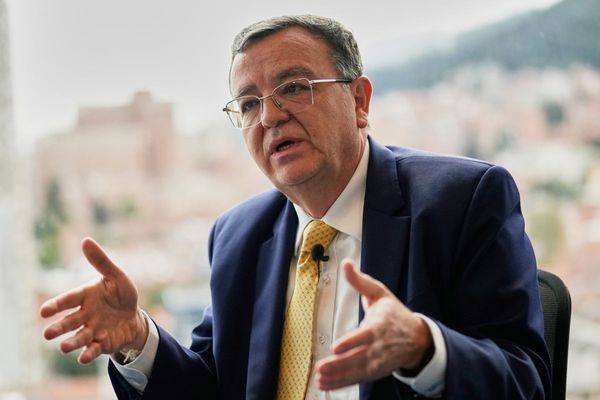
The arrangement the British paper described falls well short of repatriation or a sale. Rodríguez would win legal title to the 31 tons, but the metal would stay off the market for now. Instead, it could underpin state borrowing, including money for rebuilding what June's earthquakes tore apart. An opposition figure with direct knowledge of the talks put the caveat plainly to the Financial Times, describing Rodríguez's eventual access to the gold once it sits on American soil as something that "will be supervised and restricted."
A Freeze That Traces Back to Guaidó's Recognition
The standoff dates to early 2019, when Britain joined dozens of governments in recognizing Juan Guaidó as Venezuela's legitimate leader and stopped treating Nicolás Maduro's administration as valid. British courts have kept the gold locked away ever since, without settling who actually holds the authority to claim it — a legal limbo now running past seven years.
Friday's report leaves out a piece of the timeline that matters: the ground had already shifted in mid-August. Rodríguez's government and opposition sectors issued a rare joint statement pledging to pursue the London gold together. According to lawmaker Ramón López, who sits on the legislative delegation involved in the talks, the plan calls for depositing the proceeds into accounts overseen by the US Treasury Department and subjecting them to outside audits, earmarked specifically for housing, health clinics and schools in the earthquake zone.
The Earthquake That Gave the Gold New Urgency
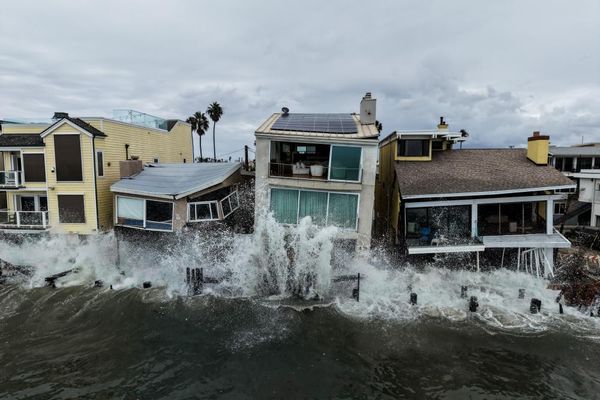
The economic backdrop has a date attached: the twin June 24 earthquakes, magnitude 7.2 and 7.5, the strongest to hit Venezuela in over a century, which tore through the La Guaira-Caracas-Yaracuy-Carabobo corridor. The most recent official count, released Aug. 24 to mark two months since the disaster, put the death toll at 6,509; authorities have not issued a public update since, so the real figure is likely higher today. Thousands of families remain in makeshift camps as debris removal continues.
Britain's Foreign Office distanced itself from the fight, with a spokesperson noting the government is "not a party in the legal case" that will decide who controls the gold, and stressing that UK courts and the Bank of England operate independently of ministers. The Bank itself was blunter about why nothing has moved: it said it is "not in a position to act" until a UK court issues a fresh ruling. Neither the Bank of England nor the New York Fed responded immediately to Reuters' requests for comment.
There's a lesser-known chapter here too. Even after Maduro's capture and the change of government, the gold stayed put — including after Rodríguez personally petitioned King Charles III to release it. That appeal went nowhere, a reminder that it's Washington's leverage, not Buckingham Palace's goodwill, that appears to be what's actually moving this forward.
The Backdrop: A Government Born From a Capture
Rodríguez took office on Jan. 5, 2026, two days after US forces seized Maduro in a military raid on his Caracas residence and flew him to New York, where he now faces formal narco-terrorism charges. He and his wife, Cilia Flores, pleaded not guilty in a Manhattan federal court; their trial is set for June 1, 2027. That rupture, according to later reporting, is what opened Washington's willingness to treat Rodríguez as a legitimate counterpart — and with it, a possible negotiated path for the gold.
What Still Isn't Nailed Down
Reuters was upfront about the limits of what it could confirm: it could not independently verify the Financial Times report, which rests on four people familiar with the discussions. There's no closing date for any deal and no clarity yet on which British court would need to sign off on the custody change. Even the dollar figure moves depending on when it's calculated — recent coverage lands on roughly $4 billion, while August estimates, made when gold traded cheaper, ran somewhat lower on the same 31 tons.
What does look settled is the broader picture: an interim government that needs cash, an opposition willing to negotiate without waiting on its most prominent leaders, and a Washington that, since Maduro's fall, seems more inclined to clear the gold's path than block it — even if, for now, that path ends in New York rather than Caracas.