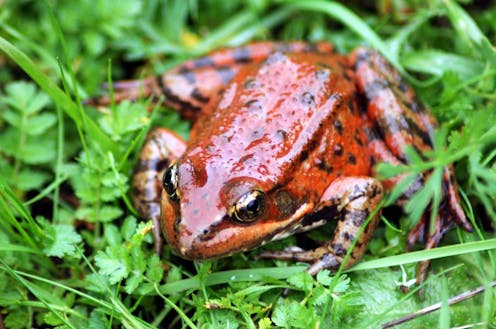
When the COVID-19 pandemic first emerged, many wildlife disease researchers like me were not too surprised. Some were intrigued it hadn’t happened sooner; after all, it is our job to observe, describe and study pandemic dynamics in animals.
Amphibians, for example, have been undergoing a global panzootic – the animal version of a pandemic – for decades. In the late 1990s, researchers identified the amphibian chytrid fungus, which causes the often-lethal disease chytridiomycosis, as the probable culprit behind frog and salamander declines and extinctions from Australia to Central America and elsewhere that began 10, 20 or even 30 years before.