Get all your news in one place.
100's of premium titles.
One app.
Start reading
The Economic Times
The Economic Times
Team Global

USPS ships pallets of groceries to 100-plus Alaskan villages by air; an Inspector General report says it moved 87 million pounds in one year and recovered 29 cents per dollar

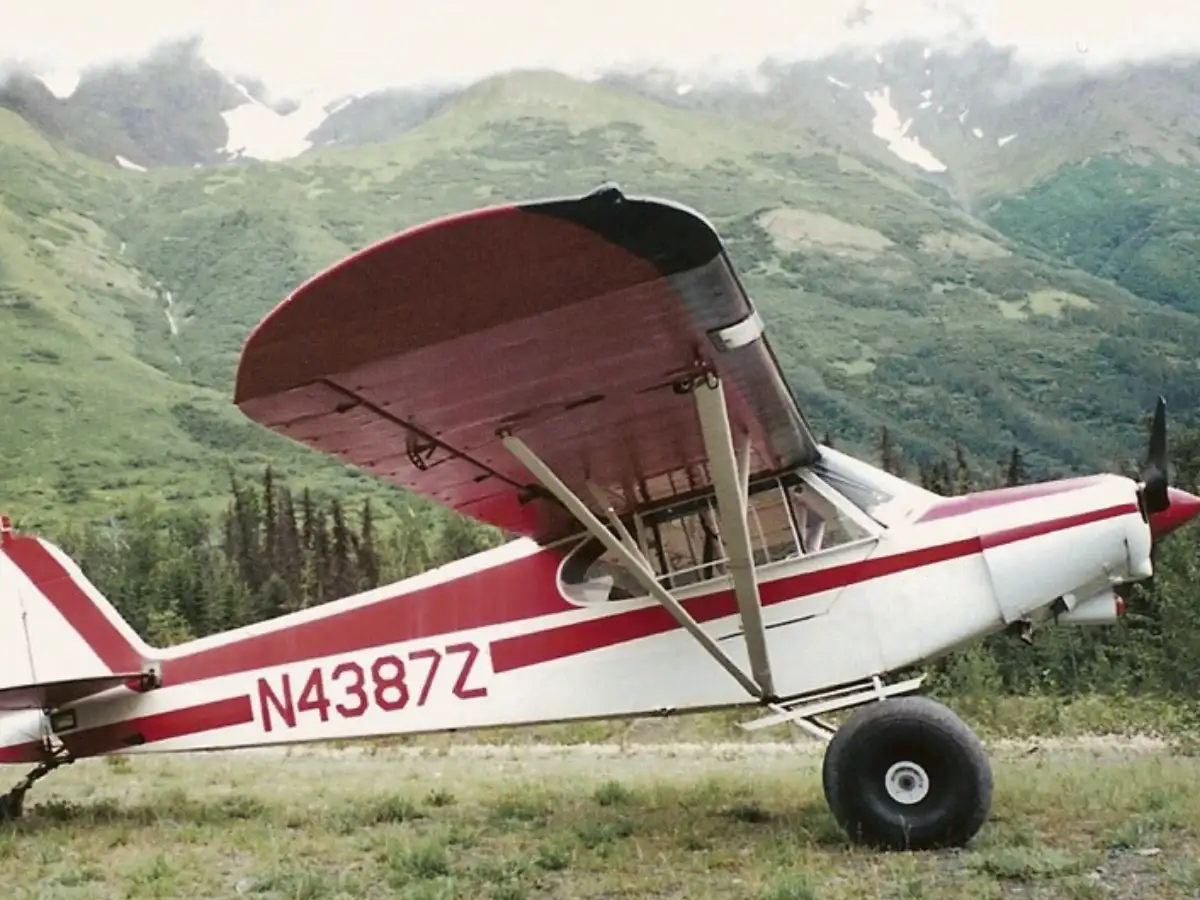
Most grocery deliveries in the United States heavily rely on highways and trucks. But Alaska has a different story. In rural Alaska, many communities lack road connections to other parts of the state. Therefore, everyday essentials, from canned food and fresh produce to paper towels and diapers, are delivered by air.

This is where the role of the Alaska Bypass Mail program of the U.S. Postal Service becomes crucial. The program handles a massive amount of cargo across rural Alaska each year. According to a report from the U.S. Postal Service Office of Inspector General, this Alaska Bypass mail program transported roughly 87 million pounds of goods in one year. Most of those shipments consisted of groceries and household supplies that families depend on every day.

Instead of regular postal processing, shipments go directly to airlines, helping supplies reach communities that are accessible only by air for much of the year. The cargo is then flown to remote communities, where it is received by local businesses.

How the Alaska Bypass mail program works

The Alaska Bypass Mail Program, under a USPS program, serves over 100 villages scattered throughout Alaska. For residents, this program is not only a delivery program but an important lifeline that ensures that the stores have enough stock of necessities regardless of the severe weather conditions, long distances, and the absence of road networks.

However, transporting so many millions of pounds of cargo through Alaska’s rugged terrain comes with a hefty price tag. The same Inspector General report found that the recovery rate of the Postal Service costs was around 29 percent; that means, for each dollar that the Postal Service spent on the program, it lost 71 cents. The report explains that nearly all bypass mail is delivered by air since large parts of rural Alaska do not have any highways, which makes air transportation the only practical option for most communities.

Sign up to read this article
Read news from 100's of titles, curated specifically for you.
Already a member? Sign in here
Related Stories
Top stories on inkl right now
One subscription that gives you access to news from hundreds of sites
Already a member? Sign in here
Our Picks
Fourteen days free
Download the app
One app. One membership.
100+ trusted global sources.