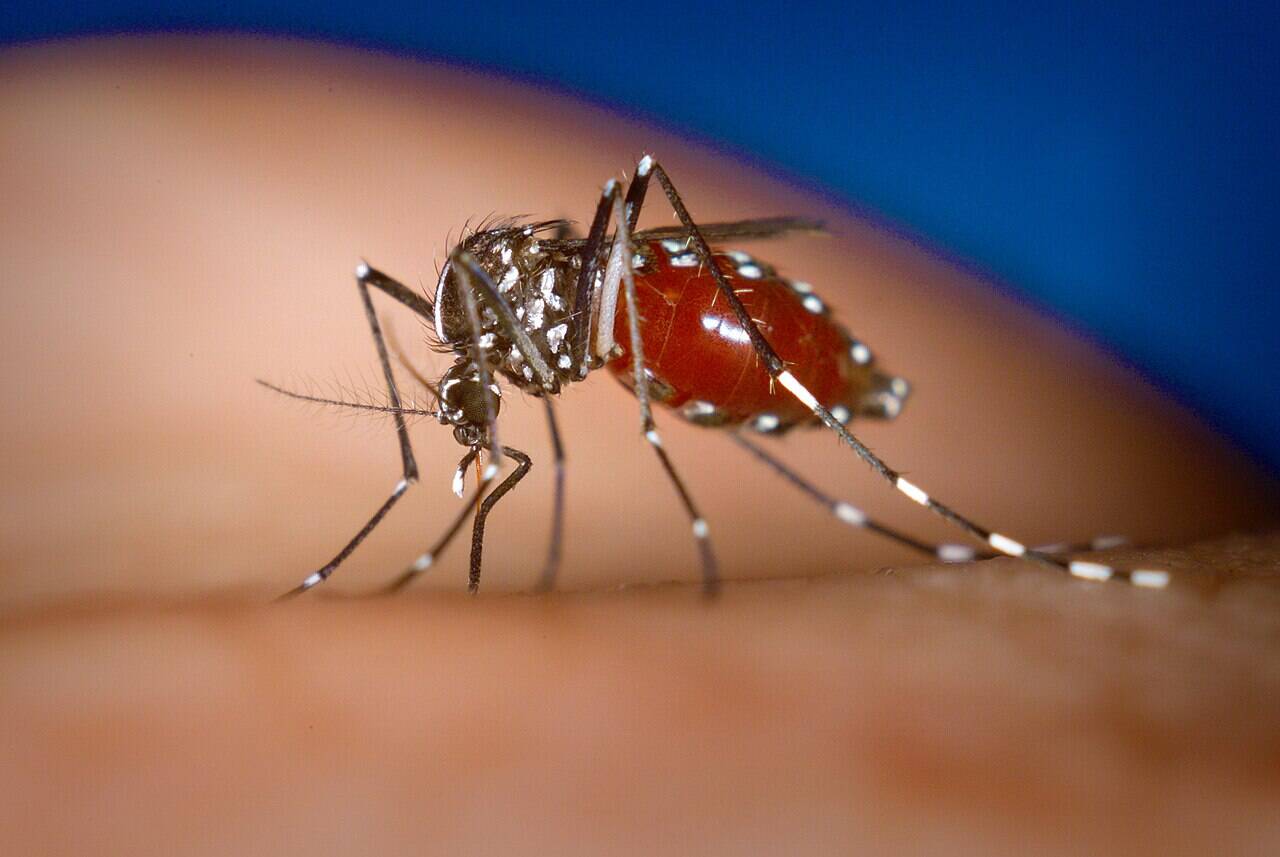
A used tyre may seem ordinary, but in the 1980s it became linked to the spread of one of the world’s most adaptable mosquito species. The Asian tiger mosquito, scientifically known as Aedes albopictus , was first detected in the United States during a period when global trade in second-hand tyres was expanding.
Get breaking news anytime, anywhere. Download the TOI app now!

Entomologist Paul Reiter examined the possible connection between tyre shipments and mosquito movement in a paper published in the Journal of the American Mosquito Control Association . The study reviewed trade records, mosquito discoveries and inspection reports to assess how used tyres may have contributed to the species’ spread beyond its native Asian range.
The first US record of Aedes albopictus came in June 1983, when a single adult mosquito was captured in Memphis, Tennessee. However, the isolated finding did not indicate that the species had become established. According to Paul Reiter's 1998 analysis, the turning point came when health authorities later identified large, breeding populations in Harris County, Texas, where discarded used tyres were the principal breeding sites. Investigations subsequently concluded that the mosquito had most likely entered the United States through imported used tyres, probably from Japan.
According to Reiter’s study, the timing and distribution of the infestations suggested that the mosquito probably arrived in shipments of used tyres. Japan was a likely source because it was one of the largest exporters of used tyres during that period. Reiter’s review cited earlier inspections of used tyre shipments from Asia, which found Aedes albopictus and other mosquito species in imported tyres, strengthening the possibility that tyre trade played a role in the mosquito’s international spread.
How a simple tyre helped create a global pathway
Used tyres became associated with mosquito movement because of the insect’s breeding habits. Aedes albopictus does not need large water bodies to reproduce. Small amounts of water collected in containers, discarded items and tyres can provide suitable conditions for eggs to develop.
The mosquito’s eggs can also survive dry periods and hatch when they are exposed to water again. This ability could allow tyres stored during transport to carry mosquito eggs across long distances before reaching a suitable environment.
The scale of the used tyre trade created more opportunities for accidental introductions. Paul Reiter's 1998 study reported that Japan exported more than 49 million used tyres to 137 countries between 1988 and 1995. The study also found that the United States imported more than 6.1 million used tyres from Japan between 1989 and 1994.
The research paper also noted later detections of Aedes albopictus in Brazil, Mexico, Italy, South Africa, Australia and New Zealand. Reiter noted that tyre-trade patterns offered clues about how some populations may have been introduced, although the exact pathway varied by country.
Once established in a new region, the mosquito could spread through local travel and other human activity. In the United States, the paper highlighted that interstate movement of used tyres became an additional factor that helped the species expand beyond its original locations.
Why stopping the spread became difficult
The research highlighted why the mosquito’s spread attracted attention: laboratory studies had shown that Aedes albopictus could transmit viruses such as dengue, although researchers were still assessing its impact in natural settings. To reduce the chance of further introductions, authorities imposed measures on imported used tyres. In the United States, regulations required tyres arriving from regions where Aedes albopictus was known to occur to be cleaned, dried and treated to reduce the risk of insects surviving the journey.
In his analysis of the used tyre trade, Reiter noted that the sheer volume of international shipments made inspections difficult. He also highlighted that tyres appearing clean and dry could still contain Aedes albopictus eggs, which can survive until they are exposed to water.
By the late 1990s, Aedes albopictus had expanded into multiple US states. Writing in 1998, Paul Reiter noted that researchers were still documenting the mosquito's full distribution.
Aedes albopictus shows how global trade can create unexpected routes for wildlife movement. A discarded tyre transported across continents can become more than waste material. It can provide temporary shelter for organisms that can adapt to new environments. The study concluded that the expansion of international trade and transportation had increased opportunities for mosquitoes and other organisms to be unintentionally moved between regions.