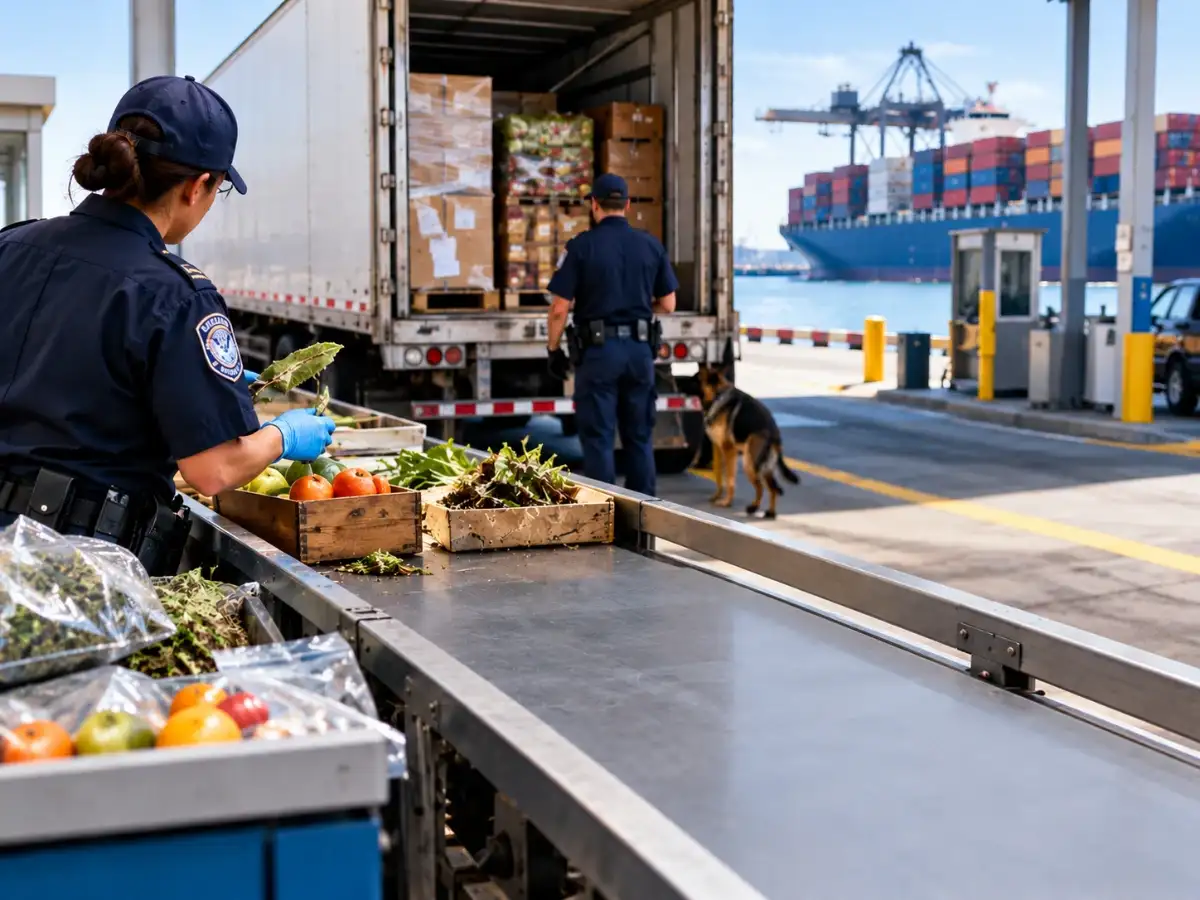
The United States has long used border inspections to protect farms, forests and livestock from foreign pests and diseases. Every year, agricultural inspectors examine international passengers, vehicles, and cargo to prevent potentially destructive organisms from entering the country. But the system is expensive, and federal law limits how much of that cost the government can recover through inspection fees.
According to a March 2013 report by the US Government Accountability Office (GAO), the country spent $861 million on its Agricultural Quarantine Inspection (AQI) programme in the 2011 financial year, while the fees collected fell more than $325 million short of the total cost. The programme was jointly administered by the US Department of Agriculture’s Animal and Plant Health Inspection Service (APHIS) and the Department of Homeland Security’s Customs and Border Protection (CBP). The funding gap highlighted a central problem: the agencies had to protect American agriculture but could not charge every category of user for the inspections they received.