Senior US officials privately warned Iran that Israel could attempt to assassinate two of Tehran's top negotiators during efforts to end the war and reopen the Strait of Hormuz, according to a report by The Washington Post, which cited current and former US officials familiar with the matter. The New York Times had earlier reported similar concerns.
Get breaking news anytime, anywhere. Download the TOI app now!

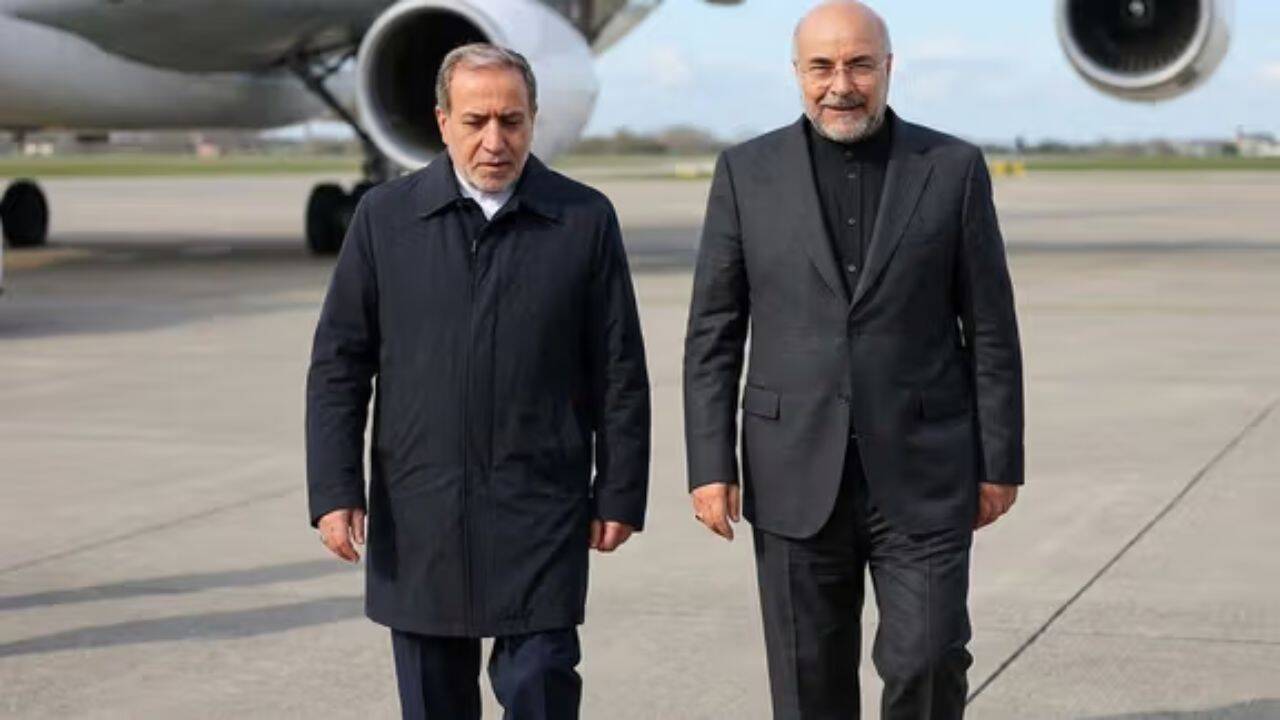
According to the report, Washington was deeply concerned that Israel intended to target Iranian foreign minister Abbas Araghchi and Parliament Speaker Mohammad Bagher Ghalibaf while the Trump administration was pursuing a diplomatic agreement to end the conflict. US officials feared such killings would derail negotiations and reignite fighting.
"You kill those folks and you're killing the pragmatists," a US official, speaking on the condition of anonymity, told The Washington Post.
The report said the concern was so serious that this spring the United States took the unusual step of asking intermediaries to warn Tehran that Israel might attempt to assassinate the two senior Iranian leaders. US officials had also urged Israeli counterparts as early as March not to target Iran's political leadership while diplomatic efforts were underway, according to a diplomat cited by the newspaper.
A White House official told The Washington Post, "The president wants the peace process to play out."
The Israeli Embassy in Washington declined to comment.
According to The Washington Post, the warnings underscored growing differences between Washington and Tel Aviv over the objectives of the war. While both countries initially backed regime change in Iran after the conflict began on February 28, US officials later concluded that Iran's political and military establishment would likely remain in power and shifted focus toward securing a negotiated settlement.
"It shows the divergence of war aims between the US and Israel and the fundamental determination on the part of Israel's prime minister to undermine any negotiation that the US might conclude," Aaron David Miller, a former US State Department official, told the newspaper.
The report said tensions deepened after Israel allegedly assassinated senior Iranian national security official Ali Larijani in March.
"The turning point wasn't the assassination of the supreme leader, it was the assassination of Larijani," a Western official was quoted as saying. "The US was looking for an Iranian official to deal with and all of a sudden he was gone."
According to The Washington Post, Araghchi and Ghalibaf later became Washington's principal interlocutors in securing an initial ceasefire in April and negotiating a broader framework agreement in June to end the conflict.
Separately, The New York Times reported that US officials believed Israel could have targeted the two Iranian officials after the April 8 ceasefire and warned Tehran through regional intermediaries. The newspaper reported that Iranian Parliament Speaker Ghalibaf was alerted to a possible Israeli threat while returning from Islamabad after talks with US Vice President JD Vance on April 12. According to the report, intelligence indicating an Israeli attack prompted his aircraft to make an emergency landing in Mashhad before he travelled to Tehran by land.
The New York Times also cited US officials as saying that any attempt to assassinate Araghchi or Ghalibaf during negotiations would likely have collapsed the peace process and triggered a fresh round of fighting.
The reports come amid continuing questions over differences between the United States and Israel on Iran policy, with Washington prioritising diplomacy while Israeli Prime Minister Benjamin Netanyahu has continued to advocate a harder line against Tehran.