
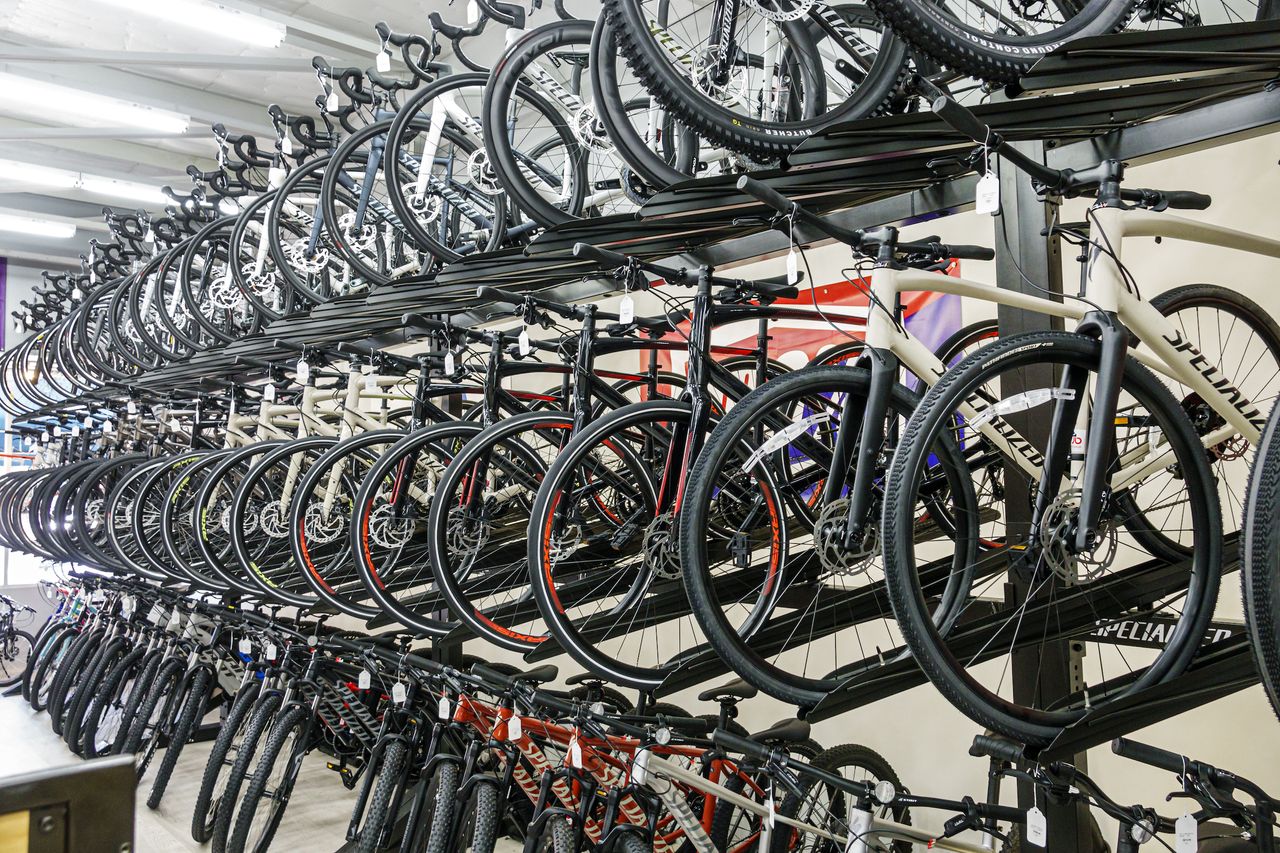
For U.S. bike brands and retailers still navigating elevated import costs, the Supreme Court delivered a significant ruling today: the sweeping global tariffs imposed under emergency powers were unlawful.
In a 6–3 decision, the Court found that President Trump exceeded his authority when he used the 1977 International Emergency Economic Powers Act (IEEPA) to impose broad tariffs on imports from most U.S. trading partners. The justices affirmed the earlier judgment of the U.S. Court of International Trade in Trump v. V.O.S. Selection. Among the plaintiffs was Terry Precision Cycling, the Vermont-based women’s cycling apparel brand we reported on in November. Terry joined a coalition of 12 states and five small companies challenging the tariffs' legality, arguing that the added duties placed financial strain on its business.
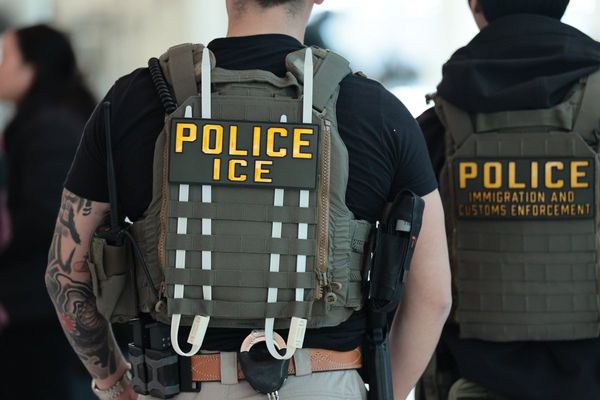
IEEPA was designed to allow U.S. presidents to respond to national emergencies involving foreign threats by sanctioning or restricting financial transactions. The Supreme Court ruled that the statute does not authorise sweeping import tariffs. Tariffs fall under Congress's authority, though it can delegate limited powers to the executive branch.
As a result, tariffs enacted specifically under IEEPA no longer have a legal foundation. Additionally, the billions of dollars collected in duties under that authority are meant to be refunded to importers, although federal agencies have not yet clarified how or when that process will unfold.
"This decision represents a significant check on executive tariff authority and will shape presidential tariff policy going forward," said PeopleForBikes, the U.S. bicycle industry’s trade association. "While it is anticipated that billions of dollars in duty collected under IEEPA will be refunded to importers, the process and timetable for that to happen is not yet clear."
Industry leaders say any near-term relief for the bicycle market may be limited.
Following the Supreme Court’s decision, President Trump today said he would pursue a temporary, across-the-board 10% tariff using a different statutory authority to replace the voided IEEPA measures.
In speaking with Bicycle Retailer & Industry News (BRAIN), Kona Bikes CEO Jacob Heilbron said that companies should temper expectations around both the timing and likelihood of tariff repayments, while suggesting that bike prices won't be lowered any time soon.
"I think the industry needs to get a firm footing on the tariff situation before adjusting prices," Heilbron told BRAIN. "As far as collecting refunds, we’ve been unable to get duty drawbacks for product we’ve exported from our U.S. warehouse for more than a decade. We also need to temper our expectations that refunds will be made, and made in a timely manner."
The ruling also does not affect tariffs imposed under Section 232, which allows duties on national security grounds, or Section 301, which targets unfair trade practices.
To that end, PeopleForBikes said it is continuing to advocate for reducing and eliminating tariffs affecting the bike sector, including the proposed inclusion of additional bicycle and e-bike product categories under Section 232 tariffs. A decision from the Commerce Department on those requests is expected in the coming weeks.
"As your trade association, PeopleForBikes is actively advocating to reduce and eliminate tariffs affecting our industry," the organisation promised. "We remain committed to advancing fair, pro-industry trade policy."