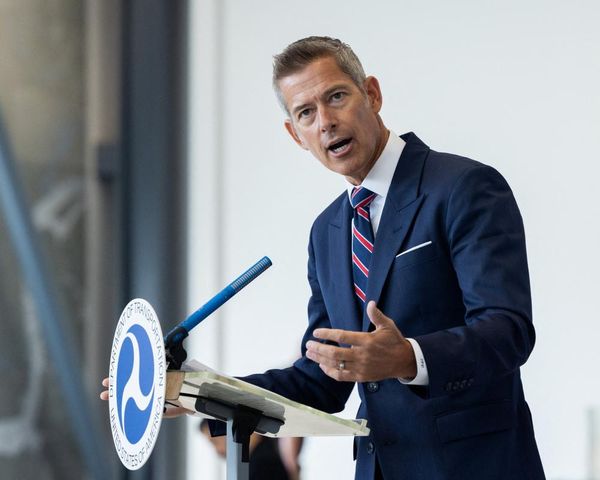
Fifteen years after stepping down from the Federal Reserve over disagreements surrounding its aggressive bond-buying strategy, Kevin Warsh is poised to return as chair of the U.S. central bank with an ambitious reform agenda that could reshape how the Fed operates and communicates, Reuters reported.
Warsh, a former Fed governor and Wall Street executive, has long criticized the central bank’s massive asset purchase programs that expanded its balance sheet to roughly $6.7 trillion. His confirmation as Fed chair this month comes at a time when the institution faces mounting political pressure, persistent inflation concerns, and growing debate over its policy framework.
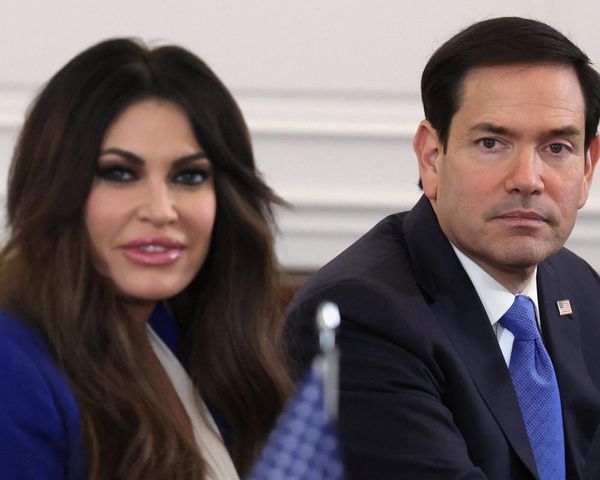
At 56, Warsh is expected to push for broad changes extending beyond interest-rate policy. His criticisms have included the Fed’s inflation measurement methods, its intervention in financial markets, and its extensive use of public communication tools such as forward guidance and quarterly economic projections.
Warsh could quickly alter the tone of the central bank by reducing the frequency or prominence of public messaging tools, including press conferences that became standard after the 2008 financial crisis. Analysts say such moves would mark a shift toward a more traditional and less transparent style of central banking.
Former Fed governor Randall Kroszner, who served alongside Warsh between 2006 and 2009, told Reuters that while Warsh has many objectives, he is unlikely to pursue abrupt disruptions in financial markets or rapidly shrink the Fed’s balance sheet. Instead, reforms are expected to unfold gradually through internal reviews and policy debates.
Warsh’s arrival follows years of tension between President Donald Trump and outgoing Fed Chair Jerome Powell. Trump repeatedly criticized Powell over interest-rate policy and also backed legal and political actions that many observers viewed as threats to the Fed’s independence. Powell’s term as chair ends this week, though he plans to remain on the Fed’s Board of Governors while ongoing legal matters conclude.
Warsh’s immediate challenge will likely be balancing Trump’s calls for lower interest rates with economic data that continues to complicate such a move. U.S. unemployment remains relatively low at 4.3%, while inflation is still above the Fed’s 2% target and may continue rising.
Divisions within the Federal Open Market Committee are already intensifying. At the Fed’s April policy meeting, three policymakers favored language suggesting that rate hikes could still be necessary if inflation pressures broaden further beyond tariffs and energy costs.
Despite market expectations that rate cuts may not occur before 2028, Warsh has publicly argued that several factors could eventually support lower rates. He has pointed to the possibility that artificial intelligence-driven productivity gains could ease inflationary pressures, while a smaller Fed balance sheet could justify lower short-term borrowing costs. He has also questioned whether current inflation measures fully capture underlying price trends.
However, economists and former Fed officials cautioned that proving such theories and building consensus within the central bank could take significant time. Many expect Warsh’s first steps to involve commissioning internal reviews of the Fed’s policy tools, inflation metrics, and balance-sheet operations before pursuing formal changes.
One potential area of reform could be the Fed’s Summary of Economic Projections and the closely watched “dot plot,” which outlines policymakers’ expectations for future interest rates. While some economists have criticized aspects of these forecasts, many central bank observers still view them as essential tools for guiding market expectations.
A recent Brookings Institution survey referenced by Reuters found overwhelming support among economists for maintaining post-meeting press conferences, while a majority also considered the Summary of Economic Projections useful.
Former St. Louis Fed President James Bullard told Reuters that press conferences have become an international norm for explaining monetary policy decisions, making any effort to scale them back difficult.
Debate is also intensifying around Warsh’s views on artificial intelligence and inflation. Chicago Fed President Austan Goolsbee recently outlined a contrasting scenario in which anticipated gains from AI-driven productivity could instead fuel consumer spending and inflation in the near term, potentially forcing the Fed to raise rates further.
The emerging divide reflects broader uncertainty over how quickly technological advances may affect inflation and whether policymakers can rely on future productivity gains when setting current monetary policy.