
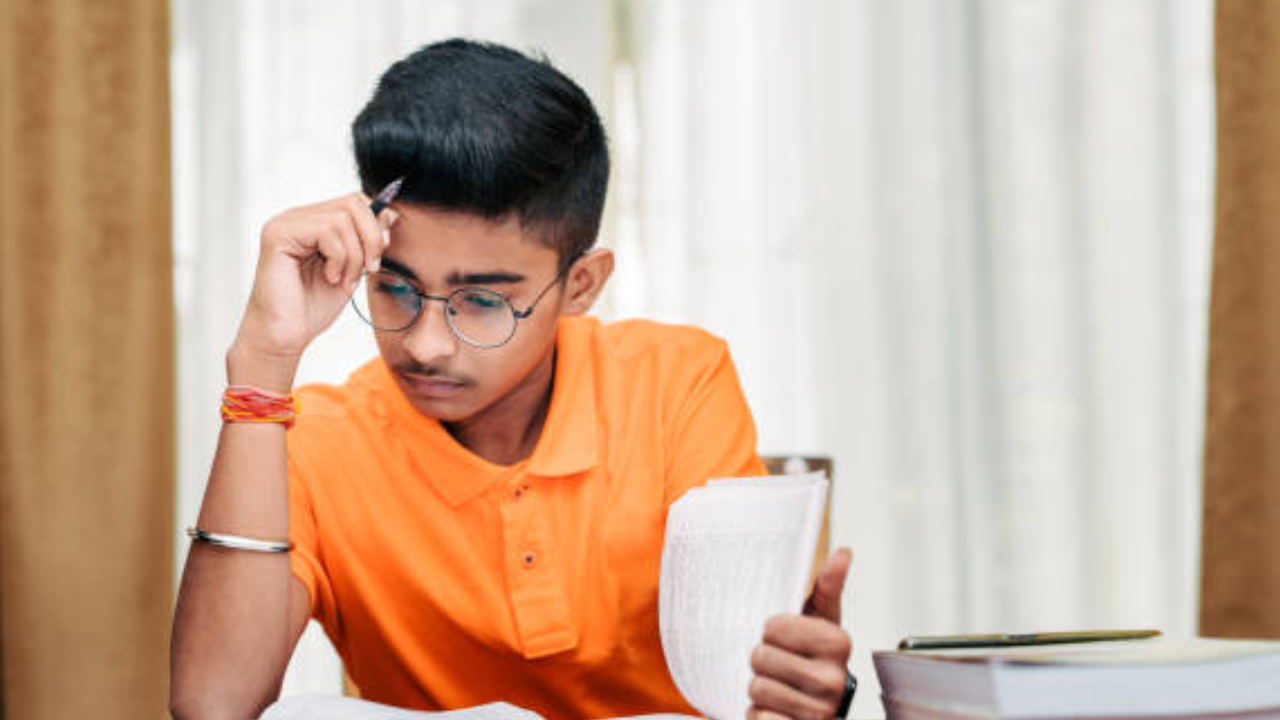
Mental health challenges that young people face are often discussed, but not as often understood. One in seven people aged between 10 and 19 experiences a mental disorder, but they remain mostly undiagnosed and untreated. Depression, anxiety, and behavioural disorders are common, only made worse by the stigma surrounding mental health and global events such as the pandemic. The World Health Organization in 2021 found that an estimated 3.6% of 10–14-year-olds and 4.6% of 15–19-year-olds experience an anxiety disorder. Meanwhile, depression is estimated to occur among 1.1% of adolescents aged 10–14 years, and 2.8% of 15–19-year-olds.
While some young people openly express their emotional distress, many suffer in silence, trying to cope with feelings of anxiety, depression, or overwhelming stress. For educators, this presents a unique challenge—how do you recognise the signs of mental health issues in students who aren’t asking for help? For today’s educators, this ability to recognise the subtle, unspoken cues of mental health struggles is crucial, as early identification can lead to timely intervention, potentially altering the trajectory of a student’s life. Here are some unspoken signs of mental health challenges among students and how educators can support them in meaningful, empathetic ways.















