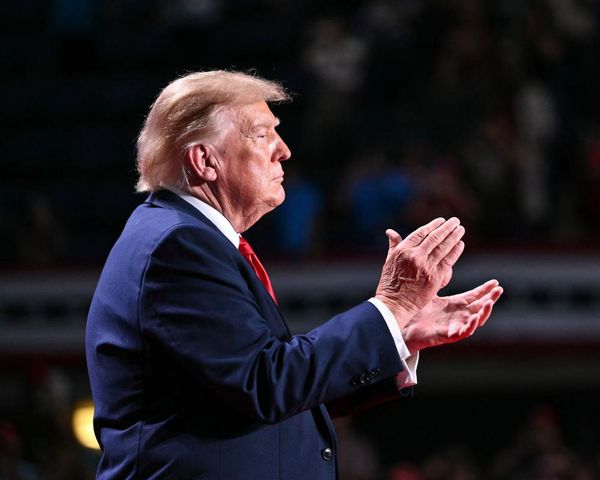
On Wednesday, the United States and Ukraine reached a minerals-for-aid agreement that will give the U.S. access to a share of Ukraine's natural resources and reserves of lithium, graphite, titanium, zirconium, antimony, gallium, and germanium. Under the deal, Ukraine will receive "$350 billion and lots of equipment, military equipment, and the right to fight on," President Donald Trump said on Tuesday. The agreement also establishes a jointly managed fund to finance reconstruction efforts in Ukraine. The fund will derive half of its money from the revenue from future natural resources projects.
Notably, the agreement does not include explicit security guarantees for Ukraine, which Ukrainian President Volodymyr Zelenskyy previously said would be needed to reach a deal. However, the deal states that the U.S. "supports Ukraine's efforts to obtain security guarantees needed to establish lasting peace," according to The Wall Street Journal.
The deal comes as the United States looks to shore up its supply chain of critical minerals, which are essential to powering many sectors of the U.S. economy. Despite their importance, the U.S. is heavily reliant on foreign nations to supply many of these materials; imports account for more than half of the U.S. demand for 39 of the 50 minerals deemed critical by the United States Geological Survey (USGS). While some of these materials come from friendly countries like Canada and Argentina, many of the imports are supplied by China, which controls 60 percent of global mineral production.