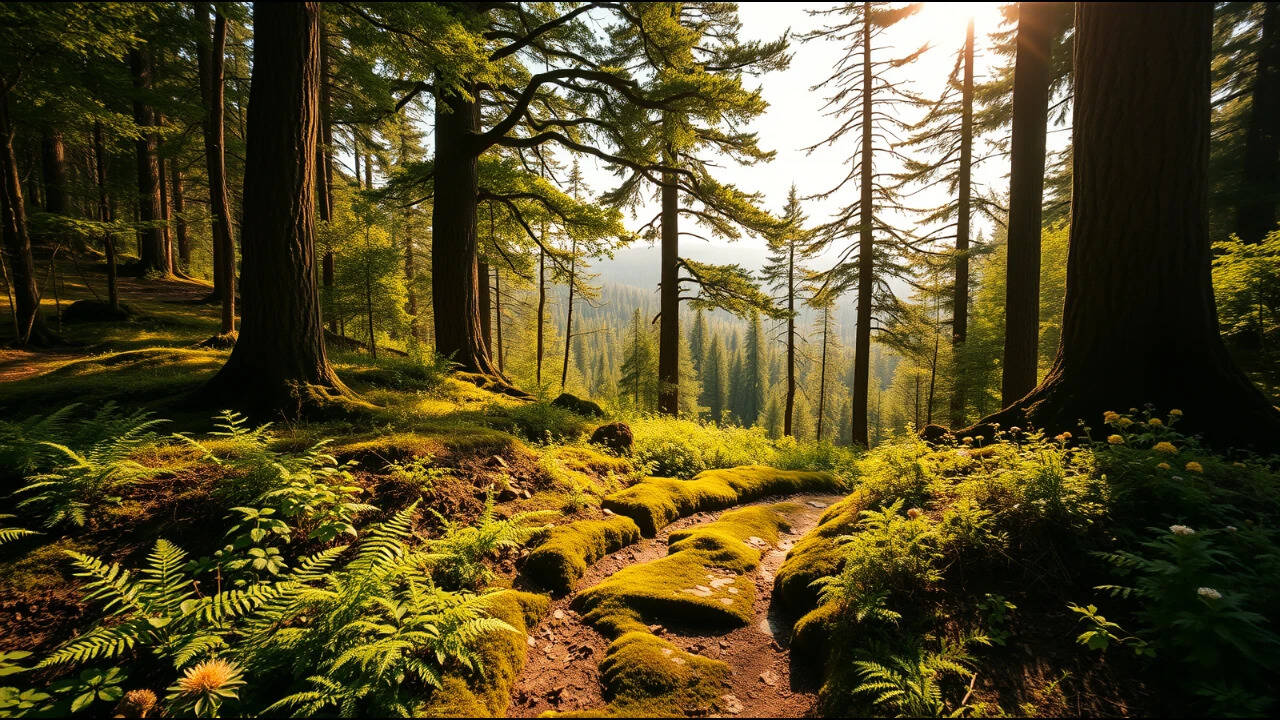
A forest does not recover all at once. In Uganda's Kibale National Park, thousands of hectares of land that had been cleared for agriculture are now showing measurable signs of recovery after decades of active tree planting. A study published in Ecology and Evolution titled Chronosequence Resampling Elucidates Tree Community and Forest Structure Recovery Patterns in Restored Tropical Rainforest examined how forests changed across nearly three decades of restoration. Led by Eveliina Korkiatupa of the University of Eastern Finland, the research compared 45 actively restored forest sites ranging from four to 26 years old with 10 primary forest reference sites. The researchers used vegetation surveys conducted in 2013 and repeated in 2021 to track changes in tree diversity, forest structure and community composition. They found that after about 20 years of planting, canopy cover and Simpson's diversity had reached levels similar to those recorded in the primary forest reference sites. The recovery was far from complete, however, with several important measures of forest structure and species composition still substantially different from primary forest. This comprehensive nearly three-decade study reveals that meaningful forest recovery unfolds unevenly over time, reminding conservationists that patience remains essential for achieving genuine tropical ecosystem restoration.
Get breaking news anytime, anywhere. Download the TOI app now!