Get all your news in one place.
100's of premium titles.
One app.
Start reading
The Independent UK
The Independent UK
Oisin Mcilroy

UAE ‘preparing to join US fight’ to reopen Strait of Hormuz

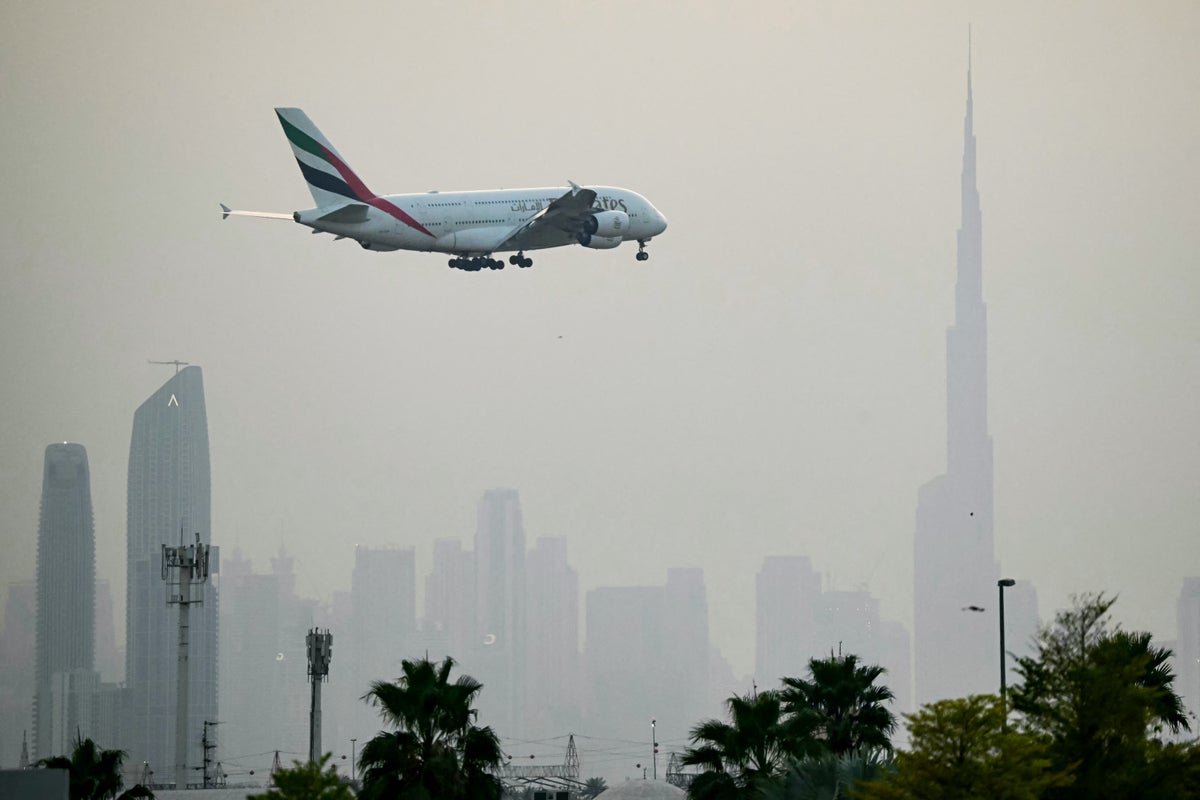
An Emirates A380 landing at Dubai International Airport on 8 March. - (AFP/Getty)

The United Arab Emirates is reportedly preparing to join the United States in opening the Strait of Hormuz by force.

Emirati diplomats are urging military powers across Europe and Asia to form a coalition with the US to open the strait, the Wall Street Journal reported, citing Arab officials.
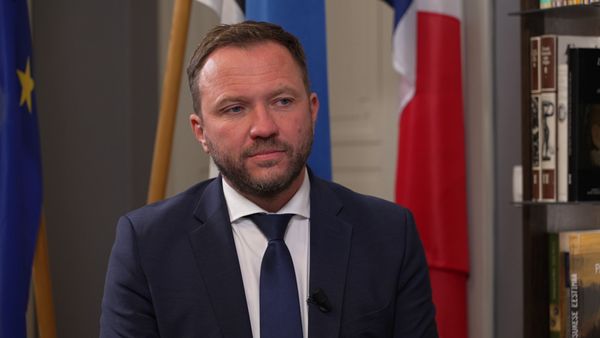
If carried through, the UAE would become the first Gulf state to become a combatant, having experienced more than 2,000 drone and missile attacks with at least 11 people killed since 28 February, according to the Emirati defence ministry.

They are also reportedly lobbying for a United Nations Security Council resolution to authorise the action.

A UAE official told the Journal, the government has reviewed its ability to contribute to control the waterway, including by supporting mine clearance operations.

A cameleer checks his phone on a beach in Dubai. (AFP/Getty)

The Gulf state would reportedly support the US occupation of islands in the strait, including Abu Musa, which has been held by Tehran for half a century and is claimed by the UAE.

Saudi Arabia and other Gulf states recently subject to heavy Iranian bombardment, principally to their oil and gas infrastructure, have also increased in their opposition to Tehran, Arab officials said. However, they are yet to offer military support for an operation to open the strait.

Bahrain, host of the US Navy’s Fifth fleet, is sponsoring the UN resolution, with a vote projected for Thursday.

The UAE’s new, more militaristic posture marks a decisive change from their previously cooperative demeanour.

A damaged Kuwaiti-flagged oil tanker near the coast of Dubai, 31 March. (via REUTERS)

Before the war, Emirati diplomats were eager to mediate negotiations between the US and Iran, including a visit of Ali Larijani to Abu Dhabi, an Iranian national-security official who was recently killed in an airstrike.

According to the Financial Times, however, the UAE has sought an international maritime coalition since as early as last week as its bears the burden of the war in the Gulf.

This change in policy has seemingly alarmed Tehran. After several weeks of limited drone and missile attacks, strikes have intensified in recent days.

The variation in approach reflects Abu Dhabi’s concern of the long-lasting impact the war is having on their economy. Iranian strikes have destabilised its tourist industry and interrupted Dubai’s position as an international aviation hub, undermining its booming property market.

Whilst normality continues in certain aspects, such as the Dubai World Cup horse race on 28 March, government measures including a 1bln dirham (£206m) economic support package suggest waning market confidence.

Spectators at the Dubai World Cup, 28 March. (Copyright 2026 The Associated Press. All rights reserved.)

However, pursuing a more aggressive policy against Iran carries abundant risks too, Tehran pointedly threatening to destroy any civilian infrastructure which supports an attempt on its territory.

In response to reports of the new approach, an Emirati official said the country maintained a “defensive posture” and “remains ready to support collective international efforts aimed at safeguarding maritime security and ensuring the uninterrupted flow of commerce.”

Sign up to read this article
Read news from 100's of titles, curated specifically for you.
Already a member? Sign in here
Related Stories
Top stories on inkl right now
One subscription that gives you access to news from hundreds of sites
Already a member? Sign in here
Our Picks
Fourteen days free
Download the app
One app. One membership.
100+ trusted global sources.