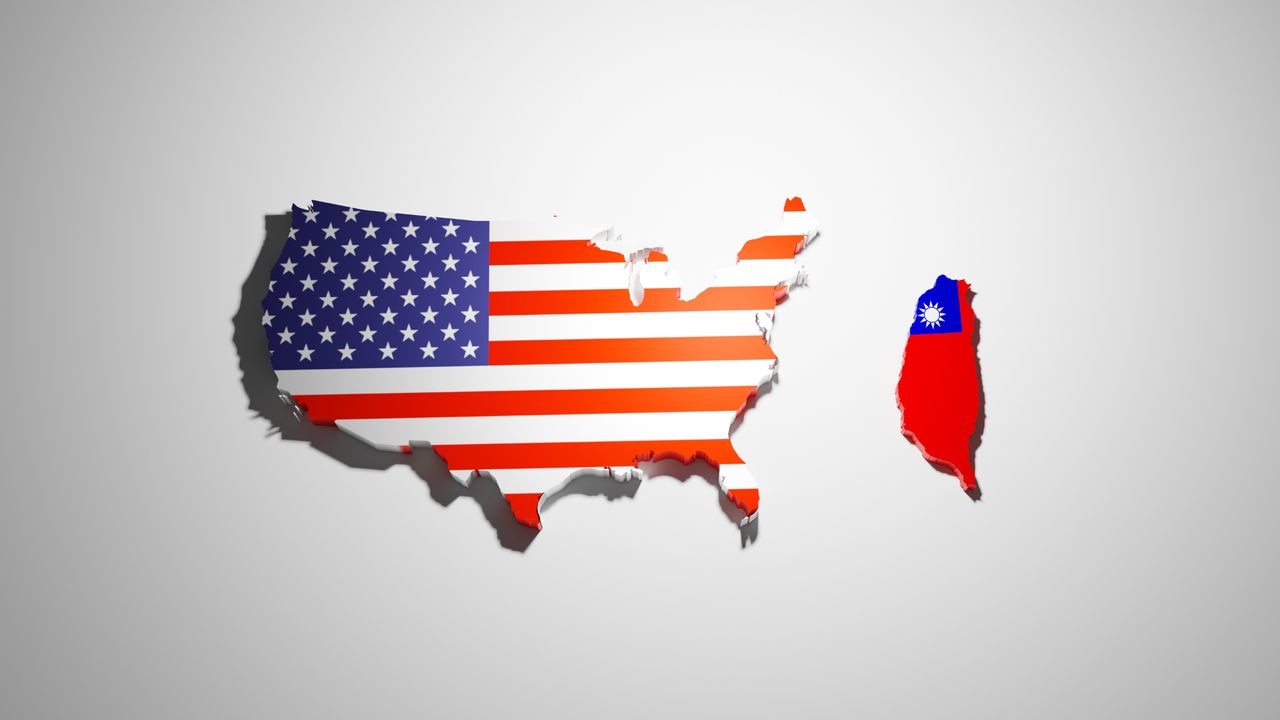
The U.S. and Taiwan finally signed a trade deal after months of talks and negotiations. According to CNBC, the White House will impose a 15% tariff on Taiwanese goods, while the island opens its markets to American products, including cars and trucks, beef products, and minerals. Aside from this, Taipei is said to be spending over $84 billion on U.S. items, including liquified natural gas and crude oil, as well as aircraft and military equipment. In fact, Washington just approved an $11.15-billion sale of military items to Taiwan, although it’s unsure if this counts as part of the $84 billion figure.
The deal was originally announced in mid-January, with Taiwan committing that its companies will directly invest $250 billion in the American tech sector. It will also offer an additional $250 billion in loan guarantees, making it easier for Taiwanese tech companies to secure capital for building new sites or expanding existing ones in the U.S. This is a total of $500 billion in investments, with TSMC’s $100-billion investment on its Arizona site announced last March already included in the amount.
The 15% tariff will not apply to chips and semiconductors coming from the island, though. Instead, Washington allowed Taiwanese chip makers to import chips without any import taxes up to 2.5 times the company’s total U.S. manufacturing capacity. This would then fall to just 1.5 times when the factory becomes operational, giving Taiwan’s chip companies preferential treatment. But if a company refuses to set up shop on American shores, it will suffer a devastating 100% tariff.
Many administration officials have also been dreaming of moving at least half of chip production back into the U.S. However, Taiwan is vehemently against this, even if the number was later revised down to 40%. The island’s government says that its semiconductor capacity in the United States will grow alongside production on the island, which is crucial for it to maintain its silicon shield.
It took the White House nearly a month to finalize the deal, but both parties have finally signed the agreement. It still needs to go through the Taiwan parliament for final approval, but, despite that, Taiwanese companies could finally expect some stability after months of uncertainty due to President Donald Trump’s tariffs.

Follow Tom's Hardware on Google News, or add us as a preferred source, to get our latest news, analysis, & reviews in your feeds.