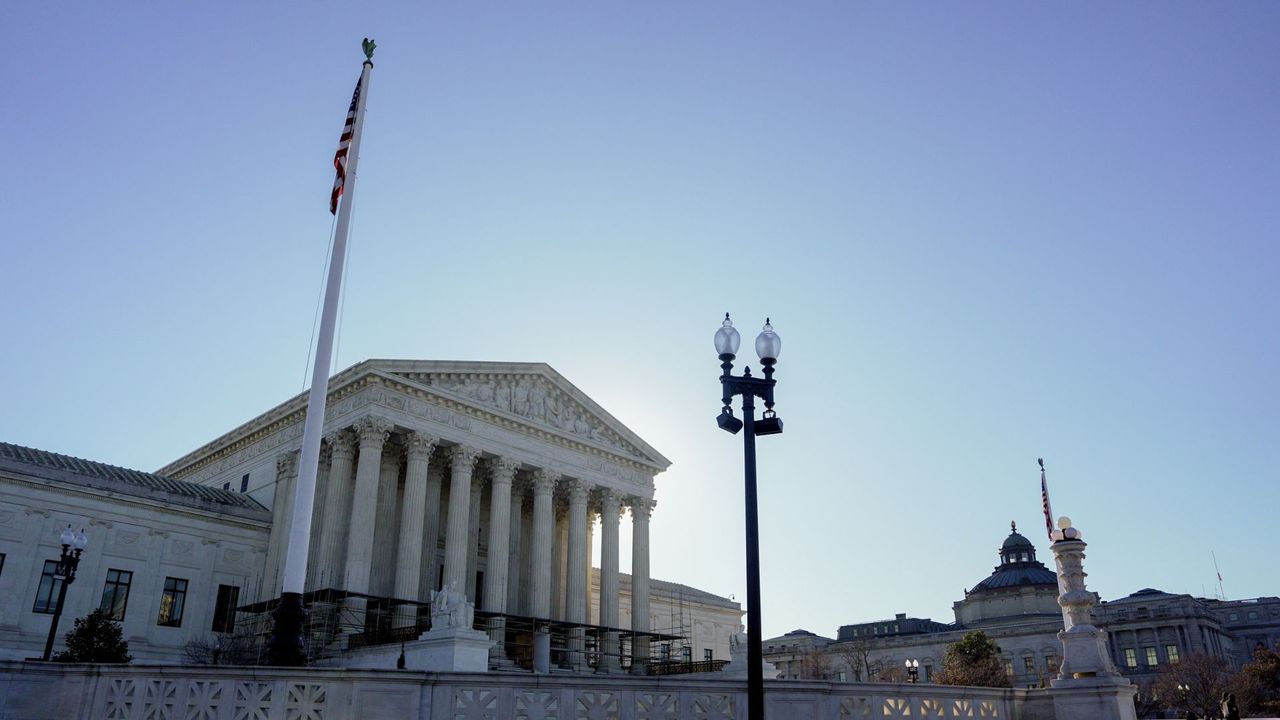
The United States Supreme Court just shot down most of President Donald Trump’s tariffs. In a 6-3 decision [PDF], the court said that the 1977 International Emergency Economic Powers Act (IEEPA) does not give the President unilateral power to prescribe import duties without prior approval from Congress.
The Trump administration argued that the nearly 50-year-old law gives the President the power to “regulate” the “importation or exportation” of “any property in which any foreign country or a national thereof has any interest by any person, or with respect to any property, subject to the jurisdiction of the United States.” While previous presidents have used the law to impose sanctions and embargoes on other nations, this is the first time that it has been used to apply tariffs on imports. The White House argues that the term “regulate” gives Trump the right to impose levies at will.
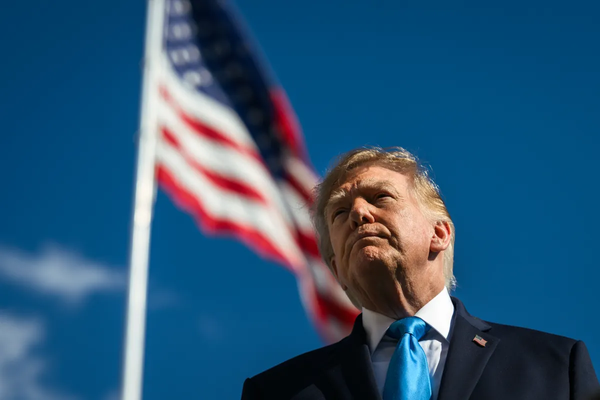
However, the Supreme Court disagreed with this interpretation. “The President asserts the extraordinary power to unilaterally impose tariffs of unlimited amount, duration, and scope. In light of the breadth, history, and constitutional context of that asserted authority, he must identify clear congressional authorization to exercise it,” Chief Justice John G. Roberts wrote in the decision. “IEEPA’s grant of authority to ‘regulate…importation’ falls short. IEEPA contains no reference to tariffs or duties. The Government points to no statute in which Congress used the word ‘regulate’ to authorize taxation.”
This ruling nullifies the majority of the tariffs that Trump imposed on every other country, which importers and retailers paid and were, in many cases, eventually passed on to the American consumer.
The Consumer Technology Association, the largest technology trade organization in the U.S. and the group behind the annual Consumer Electronics Show (CES) in Las Vegas, said in a press release that this was a “Victory for All Americans” and that “the government must act quickly to refund retailers and importers without red tape or delay.”
While it's unlikely to see price changes overnight, Dr. Patrick Penfield, professor of supply chain practice at Syracuse University, says it could help reduce prices.
"This ruling will help reduce the price of computers, laptops, phones, semiconductors, and memory chips since many of these products come from Asia," he said via email, adding that Trump heavily tariffed that region.
Penfield added that some companies might go back to old vendors. "Many electronic manufacturers will start reviewing their supply chains and revisit pre tariff suppliers to see if they could potentially save money by switching back to these suppliers," he wrote.
Trump is said to have considered a 300% tariff on semiconductors under Section 232 of the Trade Expansion Act of 1962, which gives him explicit authority to apply duties and adjust imports. In fact, it has historically been used to apply tariffs on other resources, including steel and aluminum.
While the Supreme Court ruling suspends the broad tariffs that the federal government imposed using the IEEPA, we can only wait and see what steps it will take next. For now, we don’t expect prices to go down immediately, and there will likely be a period of confusion as we see how things play out.
Updated February 20, 1:28 p.m. ET with comments about the PC supply chain.

Follow Tom's Hardware on Google News, or add us as a preferred source, to get our latest news, analysis, & reviews in your feeds.