
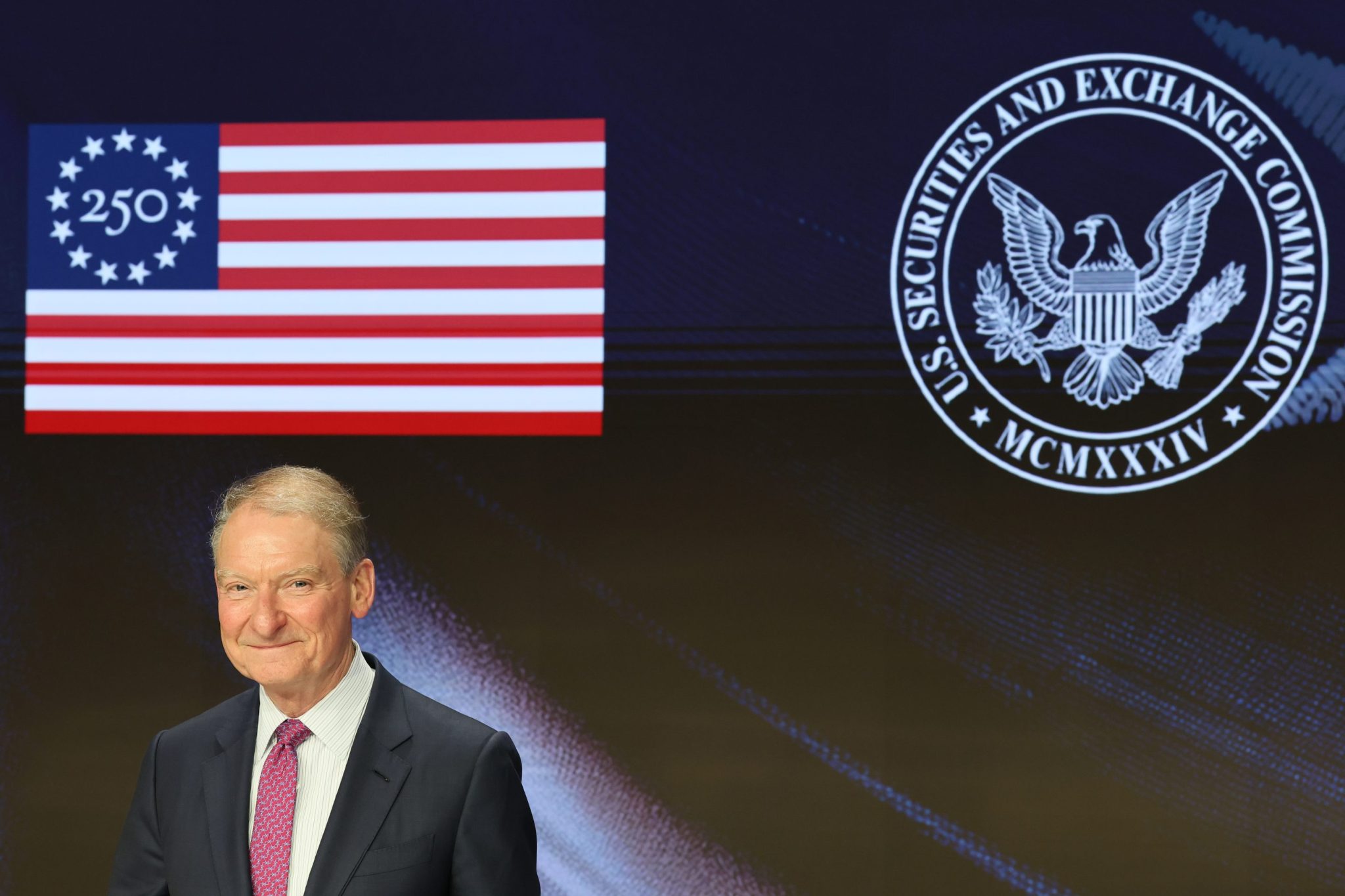
In recent remarks at the “Revitalizing America’s Markets” event, SEC Chair Paul Atkins laid out a plan that would fundamentally redefine what it means to be a public company in the United States. He framed it as a plan to “make IPOs great again,” but beneath the rhetoric lies something far more consequential: a shift toward a marketplace where public companies behave like private ones — shielded from disclosure, insulated from shareholder input, and increasingly detached from the long-term health of the broader economy. In essence, it is a move toward absolute control by CEOs and their boards of directors, with little to no accountability to shareholders or regulators. What could go wrong?
Atkins described three pillars of his new plan: rolling back disclosure requirements, “de-politicizing” shareholder meetings, and significantly curtailing securities litigation. Each of these changes, taken individually, merits serious debate. Taken together, they represent a dramatic shrinking of the public market’s core accountability mechanisms, which made the U.S. the financial capital of the world. This new plan would hollow out the very structures that distinguish public ownership from private capital. Structures that have been in place since the 1934 creation of the SEC to protected investors, markets, and the public interest.















