Get all your news in one place.
100’s of premium titles.
One app.
Start reading
Radio France Internationale
World
Dorian Jones

Turkey fears it will pick up the bill for Washington's war in Iran

A Turkish soldier patrols near the border with Iran in eastern Turkey, on 1 November 2024. © AFP - OZAN KOSE

Turkish President Recep Tayyip Erdogan is intensifying diplomatic efforts to end the Iran war after an Iranian missile was shot down approaching Turkey. The country worries it could be among those most affected by the conflict, as rising oil prices threaten the nation’s fragile economy and a potential Iranian refugee wave looms.

NATO forces on Wednesday tracked the Iranian ballistic missile through Iraq and Syria and intercepted it as it headed towards Turkey’s Hatay province – home to the Incirlik air base, where a large US Air Force presence is stationed, along with nuclear weapons. Alliance member Turkey also hosts a NATO radar base close to the Iranian border, operated by American forces.
Despite the presence of US soldiers, up until this incident Turkey had not been targeted by Iran, with Ankara maintaining close ties with Tehran.

The Turkish government summoned the Iranian ambassador to make a formal complaint immediately after the missile was shot down. But Tehran denies firing the missile.

Debris of a NATO air defence system that intercepted a missile launched from Iran, pictured in Turkey's southern Hatay province on 4 March 2026. © Ihlas News Agency via REUTERS

Iran’s armed forces have decentralised command and control under the so-called Mosaic defence doctrine following the killing of many of its senior military commanders. Serhan Afacan, head of the Centre for Iranian Studies, a research organisation in Ankara, suggests the attack could be the action of a local commander.

"Some radicals within the Revolutionary Guards have said Turkey should be targeted like Iran’s Gulf neighbours," Afacan said. "The risk is always present, which is why Turkey keeps open communication with Iran."

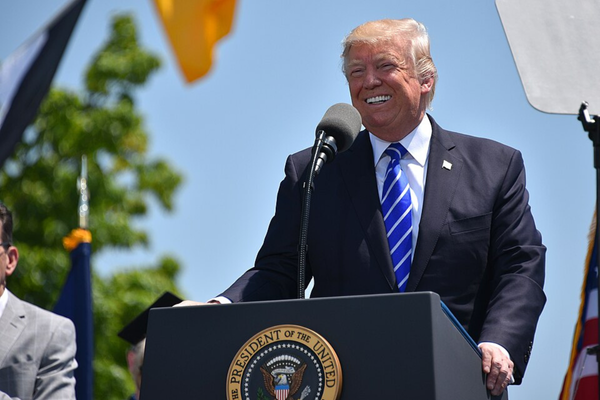
President Erdogan is redoubling diplomatic efforts to resolve the conflict, while refusing US forces access to Turkish airspace for attacks on Iran. But Erdogan’s priority, according to political analyst Atilla Yesilada of Global Source Partners, is protecting his relationship with US President Donald Trump.

"Erdogan has done what can be expected: he criticised Israel, but also condemned Iran for attacking Arab countries. He avoids mentioning Trump directly and has managed to preserve the relationship," Yesilada said.

How the war in Iran is testing Europe’s US military base network

Fears of Iranian exodus

With the war escalating, Ankara’s primary concern is an overwhelming exodus of Iranian refugees. Turkey already hosts over 3 million Syrians and hundreds of thousands from Iraq and Afghanistan.

Turkey’s 540 km border with Iran is protected by a concrete wall and razor wire, and the mountainous region is snowbound; few Iranians have so far sought refuge. However, Turkish international relations expert Soli Ozel says Ankara is fearful that the current trickle of people fleeing could turn into a flood, posing a significant threat to Turkey’s stability.

"If Iran’s regime falls and turmoil follows, millions could flee. Syria’s civil war began with 23 million people; Iran’s population is 93 million," he warned.

A Turkish soldier stands guard in front of the Kapikoy border crossing in eastern Turkey, on 2 March 2026. © Dilara Senkaya / REUTERS

Last month, Turkish parliamentarians received a secret briefing on contingency plans for any Iranian exodus. "They're working on solutions. One of those was that they were going to create a safe zone inside Iran," said Ozel.

The Turkish presidency denied reports by Bloomberg news agency that it was considering plans for a so-called safe zone in Iran, controlled by Turkey's military. But Turkish officials have declared they would not allow an uncontrolled influx of Iranian refugees.

Why Iran's 'beheaded' power structure may outlive Ali Khamenei

Economic fears

The Turkish economy is already reeling from government austerity measures aimed at taming inflation above 30 percent. Those efforts could receive a fatal blow with the Iran war already sending oil prices soaring.

"Rising oil prices pose a huge threat. Turkish inflation isn’t under control, and oil drives it up. Every 10 percent rise in oil adds about 1 percent to inflation," Yesilada noted.

The analyst warned that sustained high oil prices could present political challenges: "Modest increases in wages and prices at the beginning of the year would prove insufficient to cover basic needs, potentially resulting in rising social unrest."

Ankara has bitter memories of previous US wars in the Middle East. The US-led invasion of Iraq plunged the country into civil war, which devastated Turkey’s border economy and had far-reaching security repercussions. The fear in Ankara is that it will again be picking up the bill for Washington’s war.

Sign up to read this article
Read news from 100’s of titles, curated specifically for you.
Already a member? Sign in here
Related Stories
Top stories on inkl right now
One subscription that gives you access to news from hundreds of sites
Already a member? Sign in here
Our Picks
Fourteen days free
Download the app
One app. One membership.
100+ trusted global sources.