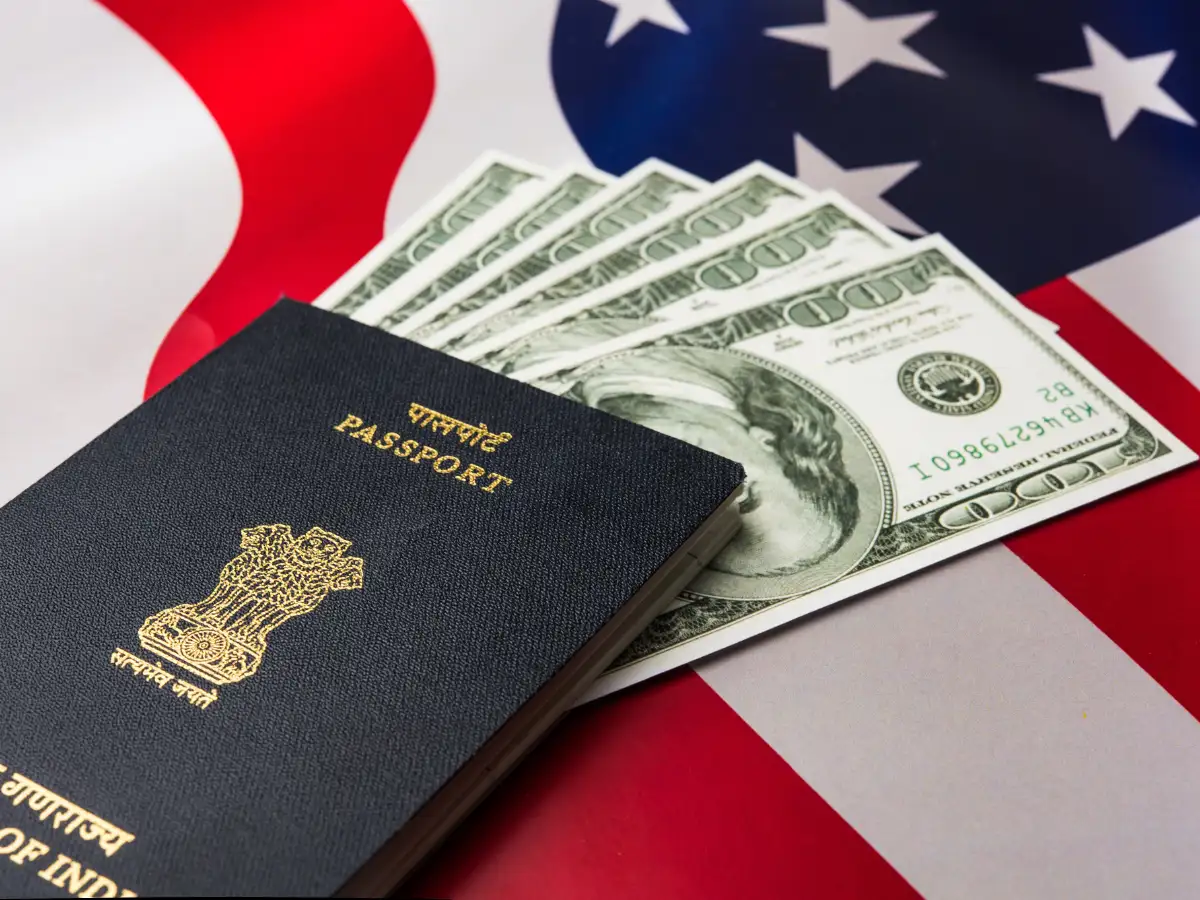
The US Department of Homeland Security has proposed a new $103,265 fee for cap-subject H-1B petitions. The charge is not in force yet. Before the new fee kicks in, the proposal must pass through a federal rule-making process involving public comments, government review and a final decision.
Also Read| US moves to impose more than $100,000 fee for H-1B worker visas

Here are the six steps.
1. Proposal published
DHS published the proposed rule in the Federal Register on August 25.
The proposal seeks to add a separate $103,265 fee to cap-subject H-1B petitions. This would include petitions under the regular 65,000 visa quota and those filed under the additional 20,000 visas reserved for applicants with qualifying US master’s degrees.
The fee would be charged on top of existing H-1B filing and statutory fees. It would not apply to cap-exempt petitions filed by institutions such as universities and certain research organisations. Federal Register
At this stage, the announcement is only a proposed regulation. It does not create an immediate payment obligation.
2. Public comments open
The government has opened a 30-day period for public comments.
Businesses, immigration lawyers, universities, workers and other members of the public can submit their views through the federal regulations portal. The comments can support, oppose or suggest changes to the proposal.
The official document says comments should identify the specific part of the proposal being discussed and provide reasons, data or legal arguments for the suggested change.
The 30-day period is expected to end around September 24, although the final Federal Register notice will confirm the exact deadline.
3. DHS reviews the comments
After the comment period closes, DHS will review the submissions.
The department may consider concerns about:
- The amount of the fee
- The effect on employers and foreign workers
- The impact on small businesses
- The treatment of US master’s degree applicants
- The effect on universities and research organisations
- The legal authority for imposing the fee
- The fee’s likely impact on H-1B demand
DHS may retain the proposal as it is, modify the fee or change which petitions are covered. It could also decide not to proceed. There is no fixed deadline by which DHS must complete this review.
Also Read| H-1B visa fees likely to be increased to more than $100,000 by US govt. Who will be affected?
4. Final rule issued
If DHS decides to move ahead, it must publish a final rule.
The final rule could confirm the $103,265 amount, reduce or increase it, or alter the categories of petitions covered. It would also explain the legal basis for the fee and respond to major issues raised during the comment period.
The final rule should specify:
- The final fee amount
- The petitions covered
- Any exemptions
- The date on which the rule takes effect
- The documents and payment method required
- Whether it applies to petitions already selected in the lottery
Until the final rule is published, employers and workers cannot know the final scope with certainty.
Also Read| H1-B visa fees likely to be increased to more than $100,000 by US govt. Who will be affected?
5. USCIS updates its filing system
After the final rule is issued, USCIS would have to update its filing instructions and payment systems.
This could include changes to:
- Form I-129 filing instructions
- The USCIS fee schedule
- Payment procedures
- Employer checklists
- Online filing systems
- Guidance for lawyers and authorised representatives
If the new payment is not submitted correctly, USCIS could reject the petition or treat it as improperly filed. Employers would therefore need to wait for detailed USCIS instructions before making the payment.
6. Employer files the H-1B petition and pays
The fee would be paid when the employer files the cap-subject H-1B petition.
For a lottery applicant, the usual sequence would be:
H-1B registration → selection in the lottery → employer files Form I-129 → applicable fees paid → USCIS reviews the petition
The $103,265 charge is not proposed as a payment at the initial lottery-registration stage.
The sponsoring employer, known as the petitioner, would generally be responsible for the payment. It is not normally a fee that the H-1B worker pays directly to USCIS.
When could payment actually begin?
There is no confirmed payment date yet.
The earliest possible date would come only after:
- The 30-day comment period ends
- DHS reviews the comments
- A final rule is published
- The final rule becomes effective
- USCIS issues payment and filing instructions
The proposal itself does not set a final implementation date. It also notes that the earlier $100,000 H-1B payment introduced through a presidential proclamation is expected to expire before the new fee could take effect, unless that measure is extended or otherwise revived.
Could the rule be challenged?
Yes. A final rule could face lawsuits from employers, industry groups, universities or states.
A court could allow the fee to take effect, temporarily block it or strike it down. This means that even after DHS publishes a final rule, the payment requirement could still face legal uncertainty.
What should H-1B applicants do now?
Applicants do not need to pay the proposed $103,265 fee at this stage.
They should wait for:
- The final DHS rule
- The exact implementation date
- USCIS filing instructions
- Clarification on whether already-selected lottery applicants are covered
- Any court orders affecting the rule
The important point is that the $103,265 charge has been proposed, but employers will have to pay it only if DHS completes the rule-making process and the final rule takes effect.