A U.S. ban on nearly $1 billion worth of Canadian imports took effect Tuesday, blocking shipments of alcoholic beverages, some dairy products and motorcycles as the trade dispute between Washington and Ottawa enters a new phase.
The restrictions took effect at 12:01 a.m. Eastern time and cover about $967 million in annual Canadian imports based on 2025 figures, according to Jacob Jensen, director of trade policy at the American Action Forum. About 87% of the affected imports are alcoholic beverages, CBS News reported.
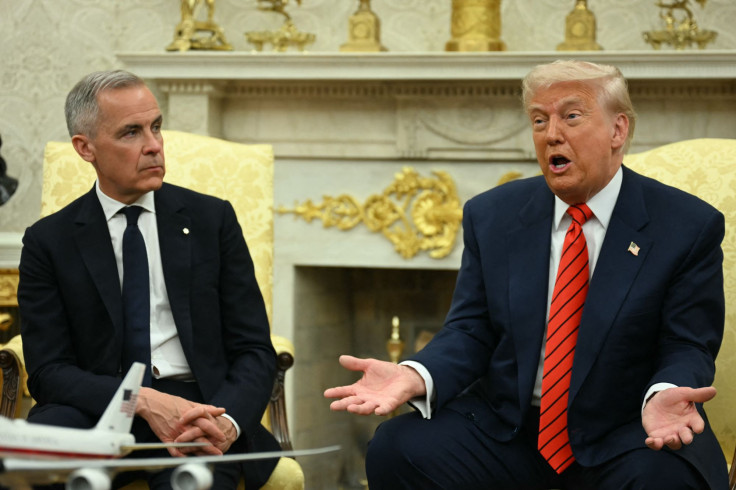
The ban follows months of escalating measures between the neighboring countries. President Donald Trump previously imposed 50% tariffs on about $20 billion in Canadian goods, accusing Canada of discriminating against U.S. dairy, automobile and alcohol producers. Ottawa responded with tariffs of between 15% and 50% on an equivalent value of U.S. imports, prompting Trump to announce the import ban that took effect Tuesday.
The immediate economic impact may be limited because many of the affected products were already subject to 50% tariffs. Former U.S. trade official Patrick Childress told CBS News those duties were already acting as a "de facto ban" on many goods by making imports uneconomical.
The dispute is also accelerating Prime Minister Mark Carney's effort to reduce Canada's economic dependence on the United States. In an interview with The New York Times last week, Carney described a changing relationship with Washington and argued that Canada must develop alternatives rather than assume its longstanding economic relationship with the United States will return to its previous form.
That represents a significant shift for a country that sent more than 70% of its goods exports to the United States last year. Carney's government wants to double Canada's non-U.S. trade over the next decade while pursuing closer economic relationships elsewhere.
Canada is exploring closer integration with the European Union, and Carney said last week that trade negotiations with India were making "good progress," with both countries seeking to conclude talks by the G20 summit in December. Earlier this year, his government also reached an agreement with China covering electric vehicles and Canadian canola.
The latest U.S. restrictions could further complicate the future of the U.S.-Mexico-Canada Agreement, which allows most goods traded within North America to cross borders tariff-free.