Generic drug manufacturers will have two years to move production to the US or face a 100% import duty from August 2028, President Donald Trump said, threatening the supply of low-cost medicines that millions of Americans rely on.
The move is aimed at “reshoring” generic pharmaceutical production in the US, and companies that don’t build plants onshore will face levies that would then double, to 200%, in August 2029, Trump said in a social media post.
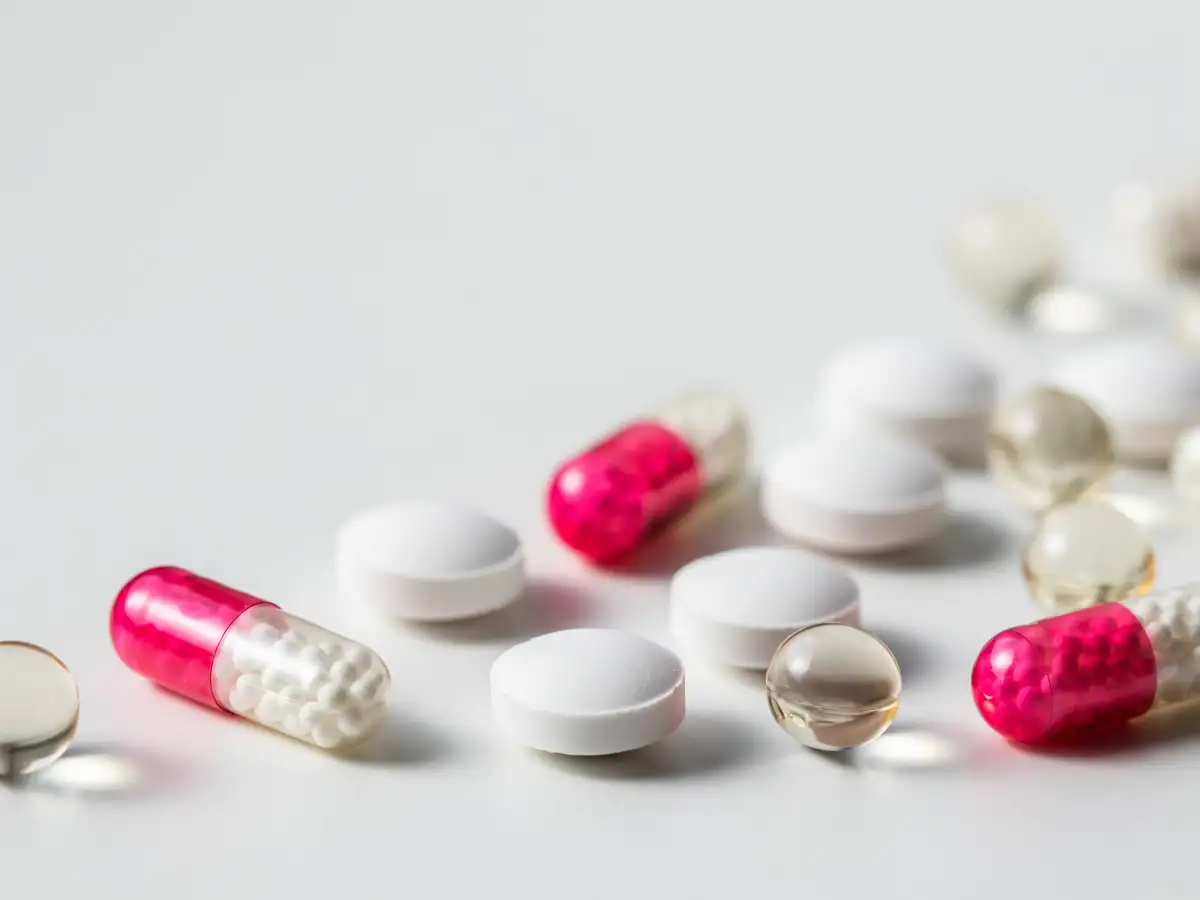
The move would upend a global supply chain that keeps generic medicines affordable for Americans. These off-patent drugs run the gamut from everyday painkillers and antibiotics to cholesterol and cancer drugs, and they’re mostly produced at factories in India, Europe and China.
Also Read| Trump's Generic Drug Tariffs Explained: What it means for Indian pharma before the 200% storm
The planned tariffs would raise costs for manufacturers who already operate on thin margins, risking higher prices and potential shortages for the generic treatments that account for more than 90% of US prescriptions.
The president has seized on the cost of drugs as a key driver of affordability concerns ahead of the 2026 midterm elections later this year. He has long complained about differences between what consumers pay in the US compared to foreign markets, and has repeatedly sought to cut that gap. The administration also recently launched a direct-to-consumer discount drug sales platform it branded as TrumpRX.
Yet it’s unclear how forcing companies to make more medicines in the US will help bring prices down, given the lower costs of labor and manufacturing in established location like India. Unlike makers of innovative medicines under patent protection, generics producers compete on low pricing, making it far harder to absorb tariffs.
Manufacturing in the US would remove the cost advantages that foreign generic producers have against branded drugmakers, forcing them to either raise prices or withdraw from the market, said Nathan Gray, senior research fellow at the Institute for International Trade at Adelaide University in Australia.
“This decision will lead to reduced access to generic medicines in the US because they won’t be able to make them as affordable,” Gray said. “It’ll push them into higher pricing. It’s likely to reduce competition and lead to consumers having to choose the name-brand medicines and not have the alternative for generics in the US market.”
India Hit
Chief Executive Officer Richard Saynor of Sandoz Group AG, one of the world’s largest generic producers, warned last year that America’s shift toward steep tariffs was likely to make drugs more expensive and limit access for patients.
The Swiss company, along with competitors Teva Pharmaceutical Industries Ltd. and Viatris Inc., copies branded medications once they lose patent protection. It manufactures many of its generic medicines outside the US, with plants in Canada and Austria.
Among the US’s trading partners, the hit would be most significant to India, which is the biggest exporter of generic medicines to the US. Pharmaceuticals are among India’s top three exports to America, totaling $10.5 billion in 2024-25, according to the country’s Commerce Ministry.
Also Read| Trump announces new generic drugs tariff plan: No tariffs for 2 years, then 100%, and then 200%
Duties on drugs would leave over 40% of India’s exports to the US adversely affected, adding to existing levies on steel, aluminum, and autos.
The NSE Nifty Pharma index of 20 Indian drugmakers slipped as much as 1.9% in Mumbai trading Wednesday, with sector leader Sun Pharmaceutical Industries Ltd. also down up to 1.9%.
Still, it was not immediately clear how much of Trump’s new tariff Indian drug companies will face: A trade pact struck by the two countries in February stipulated that India would “receive negotiated outcomes with respect to generic pharmaceuticals and ingredients.”
Trump’s previous threats to impose tariffs on pharma imports put cheap supplies from India at risk, with commonly prescribed oral contraceptives, hypertension and depression treatments at the top of the list, according to an earlier Bloomberg News analysis of data provided by health care intelligence firm Symphony Health.
In the case of birth control, roughly 65% of all pill prescriptions in the US in 2024 were manufactured by just two India-based companies, Glenmark Pharmaceuticals Ltd. and Lupin Ltd., it found.